
Last updated November 18, 2026
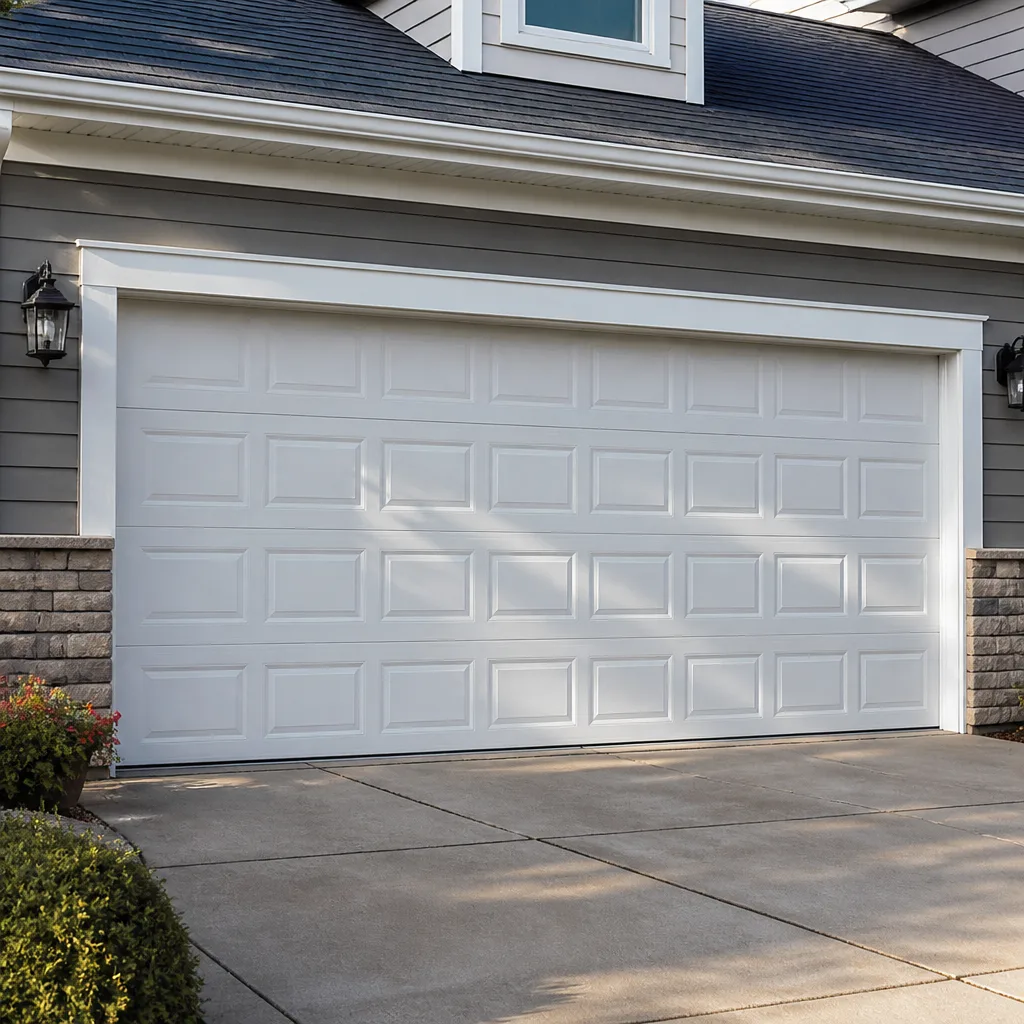 Raised-panel steel
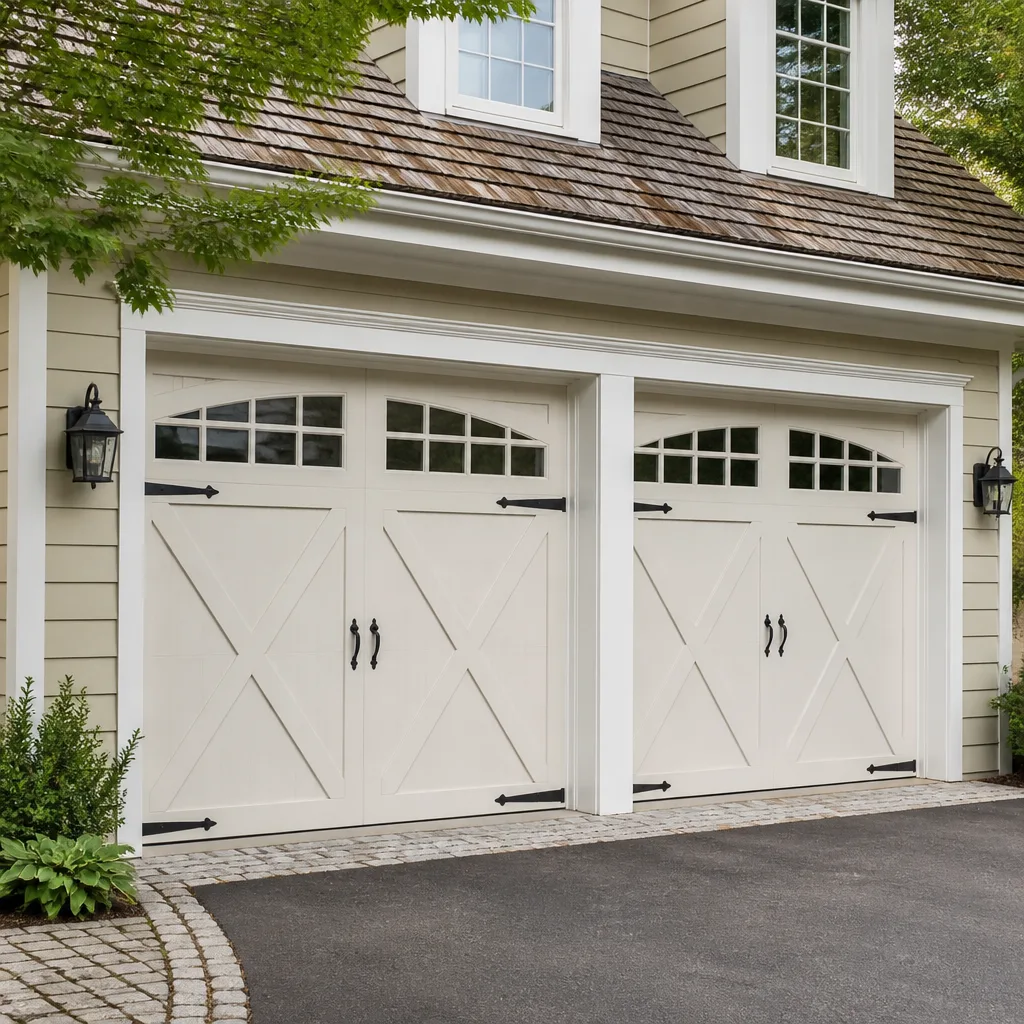 Carriage house
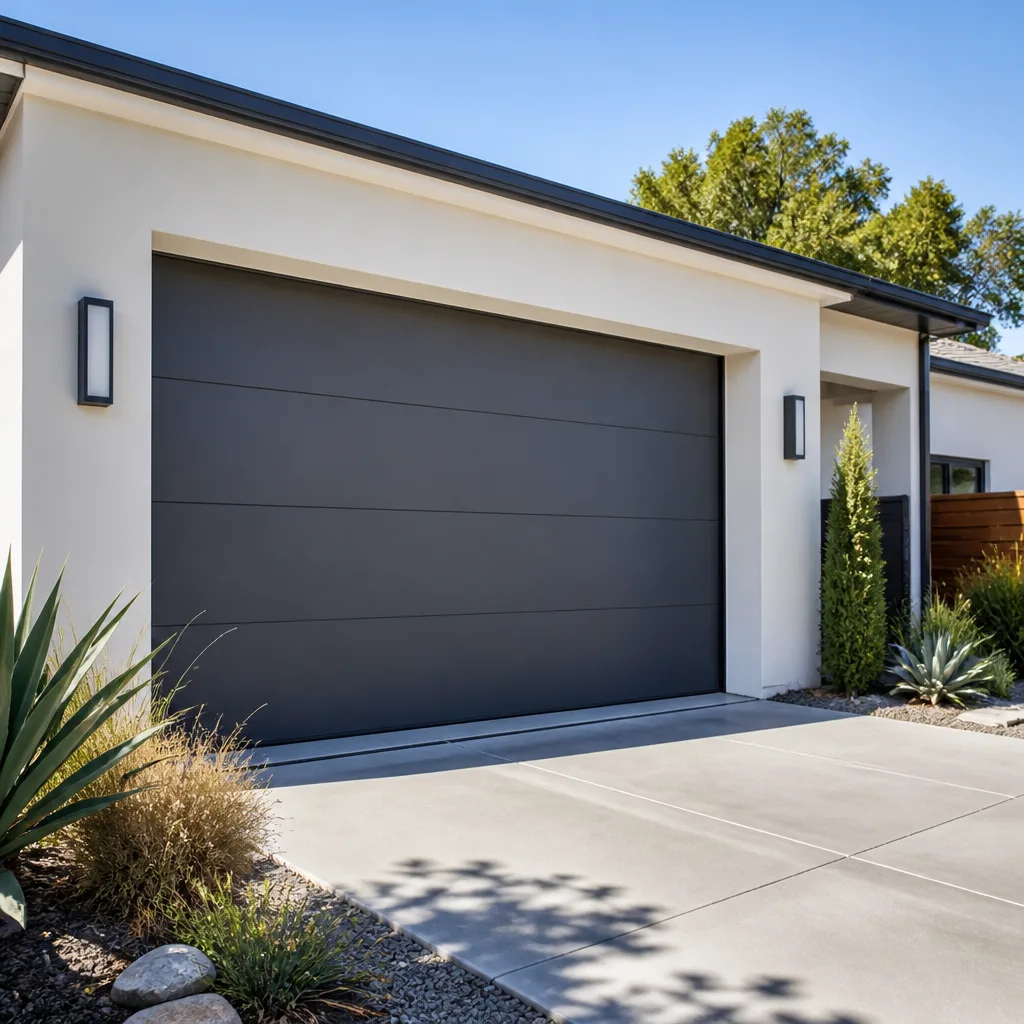 Modern flush
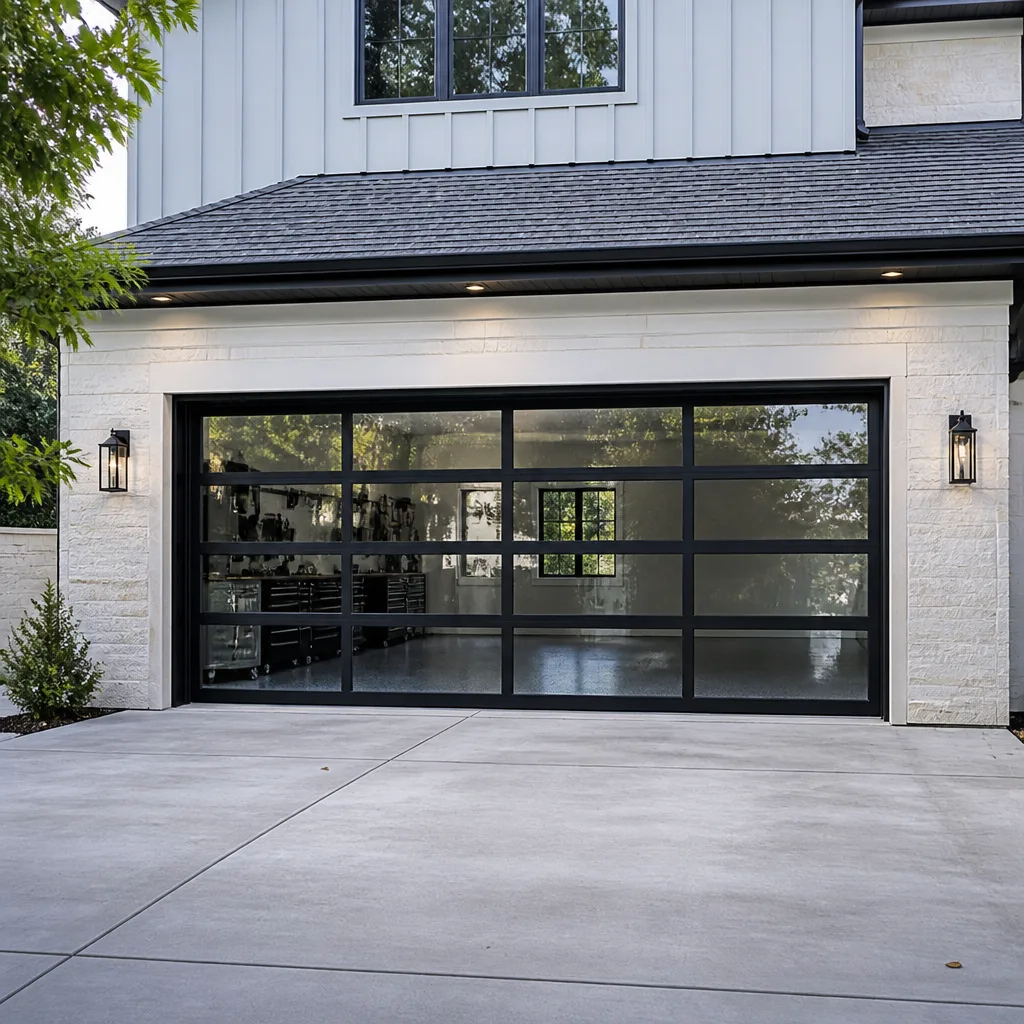 Full-view glass
 LiftMaster openers
 Chamberlain openers
Full 25-point door and opener safety check with every visit - springs, cables, rollers, tracks, and your LiftMaster or Chamberlain opener included
You get a price before we start. It does not change when the pro arrives.
Get your free estimateGarage Door Permits, Codes & Inspections in Paradise, NV: What You Need to Know
Most Paradise homeowners assume a garage door is a homeowner’s private business, like swapping a faucet or repainting a bedroom. It isn’t. A full garage door replacement, a structural change to the opening, or new electrical work for an opener can fall under Clark County permitting, and the paperwork you skip today has a way of surfacing during a buyer’s inspection years later. The fix then costs far more than the permit ever would have. This guide walks through exactly when a permit is required, which code sections apply, how county approval and HOA architectural review fit together, and what an inspector actually looks for. If you’re planning garage door work in Paradise, read this before anyone touches the opening.
Quick Answer
A permit is generally required in Paradise when you replace a garage door and alter the opening, change the structural framing, or add or modify electrical work for a garage door opener. Routine repairs like replacing a spring, roller, or panel on an existing door usually don’t need one. Clark County inspects the work against the International Residential Code and the National Electrical Code, and your HOA may require separate architectural approval on top of the county permit. Ask the county building department to confirm your specific job before work begins.
Styles & brands we work with
- Raised-panel steel
- Carriage house
- Modern flush
- Full-view glass
- LiftMaster openers
- Chamberlain openers
Table of Contents
- When does Clark County require a permit for garage door work in Paradise?
- How do you pull a garage door permit in Paradise?
- Which IRC and NEC code sections apply to a Paradise garage door?
- HOA approval vs. county permit: which comes first?
- What happens during a Clark County garage door inspection?
- What does a contractor who refuses to permit tell you?
- Repair, replace, or modify: which one triggers a permit?
- Common mistakes to avoid
When does Clark County require a permit for garage door work in Paradise?
Clark County generally requires a permit when garage door work changes the structure of the opening or adds electrical circuits. Simple part replacement on an existing, already-permitted door typically does not. Because requirements can shift and each property is different, the county building department is the authority to confirm your specific scope before any work starts.
Here’s how the work usually sorts out:
- Full door replacement with no structural change: often permitted, especially when the door size, weight class, or track configuration changes. Confirm with the county.
- Structural modifications: widening or heightening the opening, replacing a header, adding a post, or altering the framing almost always requires a permit and often engineered drawings.
- Electrical work for an opener: new circuits, added outlets in the garage, or hardwiring a new opener falls under electrical permitting. This is a licensed electrician’s scope, not a door technician’s.
- Routine repair: springs, cables, rollers, hinges, panels matched to an existing door, and opener component swaps generally do not require a permit.
In Paradise, the housing mix matters here. The valley’s older tract homes often have original single-car or two-car openings that were built to a standard size, and a new door of a different weight or thickness can load the existing framing differently. That’s a structural question, not a cosmetic one, and it’s exactly the situation where the county wants to see the plan. Desert heat also works on wood framing and metal tracks year after year, so a door replacement on an older Paradise home is a good moment to have someone look at the header and jambs rather than just bolt on new panels.
If you’re weighing a fix against a replacement, our garage door repair team can tell you which side of the line your job falls on before you commit to either.
How do you pull a garage door permit in Paradise?
You or your contractor pulls the permit through Clark County’s building department before work begins. The applicant submits the scope, and the county issues the permit with an inspection schedule attached. A contractor who handles permitted work regularly will know the current process; a homeowner filing as an owner-builder takes on the inspection responsibility personally.
The sequence usually runs like this:
- Confirm the scope in writing. Door size, weight, brand, opener model, and any framing or electrical changes. Vague scopes get bounced.
- Check HOA requirements first. Many Paradise communities restrict door style, color, and window configuration. Get that approval moving before you file with the county (more on sequencing below).
- Submit the permit application. Include product specs and, where structural work is involved, drawings. Brand specification sheets for doors like Clopay or Amarr help the reviewer match what’s going in.
- Pay the permit fee and post the card. The county issues the permit and an inspection card that stays visible on site.
- Complete the work, then call for inspection. Don’t close up walls or finish trim before the rough inspection if one is required.
- Get the final sign-off and keep the record. The closed permit is the document that protects you at resale.
One thing Paradise homeowners ask us constantly: who pulls the permit, me or the installer? Either can, but the permit needs to name whoever is doing the work. If you’re hiring out the installation, the cleanest path is having the installing company file under its own name so the inspection record matches the trade that performed the job. For opener work specifically, that usually means coordinating with an electrician for the circuit and a door technician for the unit itself. Our garage door opener repair side can walk you through which half of the job needs the electrical sign-off.
Which IRC and NEC code sections apply to a Paradise garage door?
The two code families that matter for a Paradise garage door are the International Residential Code, which governs the door and the opening, and the National Electrical Code, which governs the opener’s power and safety devices. Clark County enforces both through its inspection process. The exact sections below are the ones inspectors reach for most often.
IRC provisions that apply:
- IRC R309.1 (garage floor surface): the garage floor must be sloped to drain. If a door replacement involves re-pouring or altering the slab at the threshold, that slope has to be preserved.
- IRC R302.5 (door between garage and residence): where a door connects the garage to the living space, it must be a solid wood or solid-core door, at least 1 3/8 inches thick, without glass, and it must be self-closing and self-latching. This is the egress door between garage and house, and it’s one of the most commonly missed items during an inspection.
- IRC R302.6 (separation): the wall and ceiling separating the garage from the house must meet the required fire separation. Structural changes near that wall pull this into scope.
- IRC R612 (vehicle doors): covers the overhead door itself, its anchorage, and its labeled performance. The door’s label matters; inspectors check it.
NEC provisions that apply:
- NEC Article 404 (switches) and Article 210 (branch circuits): the wall control and any new circuit for an opener fall here.
- NEC Article 250 (grounding): new wiring must be properly grounded.
- NEC Article 314 (outlet boxes): any new box in the garage has to be the correct type for the location.
Homeowners don’t need to memorize these. What you do need to know is that the IRC egress door requirement and the NEC grounding and circuit rules are the two areas where a job most often fails a first inspection. A door replacement that leaves the existing house-to-garage door untouched is one thing; a replacement that disturbs the framing next to it is another, and the self-closing, self-latching door requirement comes straight back into play. That’s a conversation to have with the county before the crew arrives, not after.
HOA approval vs. county permit: which comes first?
HOA approval comes first, county permit second. In Paradise, HOA architectural review typically governs color, style, window pattern, and sometimes brand or model restrictions. A county permit does not override an HOA denial, and pulling the permit before you have the HOA sign-off can create a conflict if the HOA then rejects the exact door you filed for. Sequence matters, and getting it backwards costs time and sometimes money.
Here’s the order we recommend:
- Read your CC&Rs and design guidelines. Find the garage door section. Some communities specify colors and window layouts; a few restrict certain materials.
- Submit the HOA architectural request. Include the door spec sheet and color sample. Product literature from brands like Raynor, LiftMaster, or Chamberlain can help the committee see exactly what’s proposed.
- Wait for written HOA approval. Verbal approval from a board member is not approval. Get it in writing and keep it.
- Then file the county permit with the approved spec.
- Install, inspect, close out.
Why Paradise HOAs care so much: the valley’s master-planned communities were built to a consistent look, and a garage door is a large visual element on a street-facing wall. If every third house on the block had a different door style, the original design intent would dissolve, and HOAs exist partly to prevent that drift. That’s a legitimate interest, and working with it rather than against it is the difference between a smooth approval and a rejected application that forces you to change the door you already ordered. If you’re not sure whether your proposed door will pass, we can talk through which styles tend to clear approval in the Paradise communities we work in.
What happens during a Clark County garage door inspection?
A Clark County garage door inspection verifies the door, the opening, the safety devices, and any electrical work against the permitted scope and the IRC and NEC provisions above. The inspector checks specific, observable items rather than evaluating the job as a whole. A well-planned job passes on the first visit because the installer anticipated every item on the list.
Here’s what the inspector typically checks:
- Door label and performance rating: the door’s labeled wind or performance rating matches the approved plan. Branded product documentation helps.
- Anchorage and fasteners: lag screws into framing at the correct size and pattern, not drywall anchors.
- Track alignment and plumb: the door travels smoothly, no binding, no gap at the edges.
- Auto-reverse safety feature: the door reverses on contact with an obstruction, tested during inspection.
- Photo-eye safety sensors: mounted at the correct height, aligned, and stopping the door when the beam is broken.
- Manual release: the emergency pull cord works from inside the garage.
- Electrical work: proper grounding, correct box type, and a working disconnect for the opener.
- Egress door between garage and residence (if in scope): solid-core, no glass, self-closing, and self-latching per IRC R302.5.
How to pass on the first visit: test the auto-reverse and the photo-eye yourself the day before, confirm the permit card is posted, make sure the installer’s label and documentation are on hand, and clear the path so the inspector can walk the full opening. Most failures come from small things – a misplaced photo-eye, a missing label, a manual release that binds – not from a fundamentally bad installation. In our experience working through Paradise jobs, the first-visit pass is entirely a matter of preparation.
What does a contractor who refuses to permit tell you?
A contractor who talks you out of a required permit is telling you something important about how they run their business. It’s rarely about saving you paperwork; it’s usually about not wanting a documented inspection of their own work. That’s a signal worth taking seriously, and it’s one of the clearest ways to sort a careful installer from one who’s cutting corners.
Here’s what a permit refusal actually communicates:
- They may not be licensed for the scope. Permitted work often requires a licensed contractor for the trade involved. If they can’t pull the permit, they may not be qualified to do the job.
- They don’t want their work inspected. A permitted job leaves a permanent record that a county inspector reviewed it. A crew confident in their work has no issue with that.
- They’re pushing the liability onto you. If the job fails inspection or damages something later, an unpermitted installation becomes your problem to unwind.
- They’re likely cutting structural corners. If the job involves framing and they’re avoiding a permit, that’s where you should be most concerned.
The flip side is also worth naming: an installer who volunteers to pull the permit, walks you through the HOA-vs-county sequencing, and leaves you with a closed permit record is telling you they expect to pass, and that they’ll be around to stand behind it. At Garage Door Paradise, we work across LiftMaster, Chamberlain, Genie, Clopay, Amarr, Wayne Dalton, Craftsman, and Raynor – and on any of those brands, the permit is part of the job, not an afterthought. A homeowner dealing with a Paradise code question shouldn’t have to argue with the installer about whether the permit is needed. The answer should be clear up front.
Repair, replace, or modify: which one triggers a permit?
Routine repair doesn’t trigger a permit; replacement or structural modification generally does. The line sits at whether the work changes the door system or the opening, versus restoring an existing, already-permitted door to working condition. If the door is coming off and a different one is going on, that’s typically permit territory. If the door stays and a component is replaced, it usually isn’t.
Here’s the sort-out:
- Permit typically required: full door replacement, changing door size or weight class, altering the opening header or jambs, adding an electrical circuit for a new opener, and any structural change to the wall between garage and house.
- Permit typically not required: replacing springs, cables, rollers, hinges, or a panel matched to the existing door; changing a light bulb or remote battery; swapping a like-for-like opener into an existing circuit.
- Ask the county: installing a new opener on a new circuit, replacing a door of the same size and weight but a different brand, and any repair that discovers hidden framing damage.
For Paradise specifically, the older valley homes with original single-piece or early sectional doors are where “repair or replace” gets interesting. Desert heat and dry air work on weather seals and rollers year after year, and a door that’s 25 years old may only need a tune-up and a seal replacement to get many more years out of it. That’s a repair, no permit. A door that’s warped, sagging, and loading the frame is a replacement, and the permit matters. We’re honest about which one you actually need – the goal is the right fix, not the biggest invoice. If you’re in the Paradise area and unsure which side you’re on, a quick look usually settles it.
Common Mistakes to Avoid
- Skipping the HOA approval. Homeowners often file the county permit first because it feels like the “real” one. It isn’t the gatekeeper for door style; the HOA is. File with the HOA first and get the written approval in hand.
- Assuming a door replacement never needs a permit. Full replacements and any structural change almost always do. Confirm with the county before ordering the door.
- Forgetting the egress door between garage and living space. If your project disturbs the framing next to that door, IRC R302.5 requires it to be solid-core, glass-free, self-closing, and self-latching. Inspectors catch this one regularly.
- Leaving a photo-eye or auto-reverse safety feature untested before inspection. A simple mid-height sensor or a binding manual release fails the inspection for small, fixable reasons. Test the day before.
- Closing up trim and drywall before the rough inspection. If the permit requires a rough inspection, don’t finish the opening until the inspector has seen the framing and electrical.
- Not keeping the closed permit. A signed-off, closed permit is the document that protects you at resale. Save the final inspection record.
- Hiring a contractor who discourages the permit. That’s a signal about their work, not your paperwork. Ask them to pull the permit and see how they respond.
When to Call a Professional
Call a professional when the work involves anything beyond a like-for-like part swap. That includes a full door replacement, any change to the opening or framing, electrical work for a new opener, or a structural question you can’t answer with confidence. Those are the jobs where permit sequencing, code compliance, and HOA approval all have to line up, and where a first inspection fail costs you time you don’t want to spend. It’s also the right call if you’re on the fence about repair versus replacement – a trained look settles that question before you spend anything. Garage door springs and high-tension cables are genuinely dangerous to handle, and anything involving electrical panels or new circuits should go to a licensed electrician. Garage Door Paradise offers free estimates in Paradise – call (855) 914-8765. Our technicians have up to 11 years of experience, and we handle repair, opener repair, and installation across the major brands, so you can talk through the permit question with someone who’s done it before.
See the difference
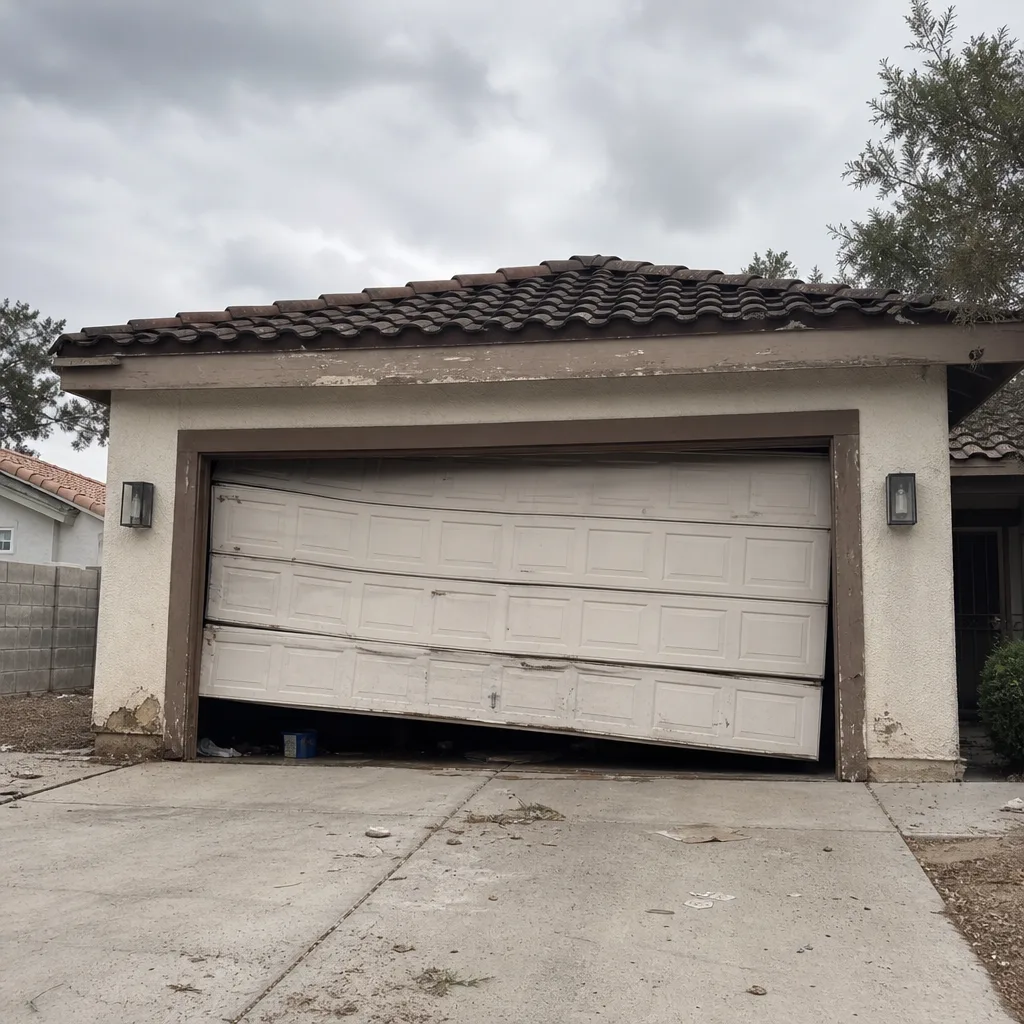 Before
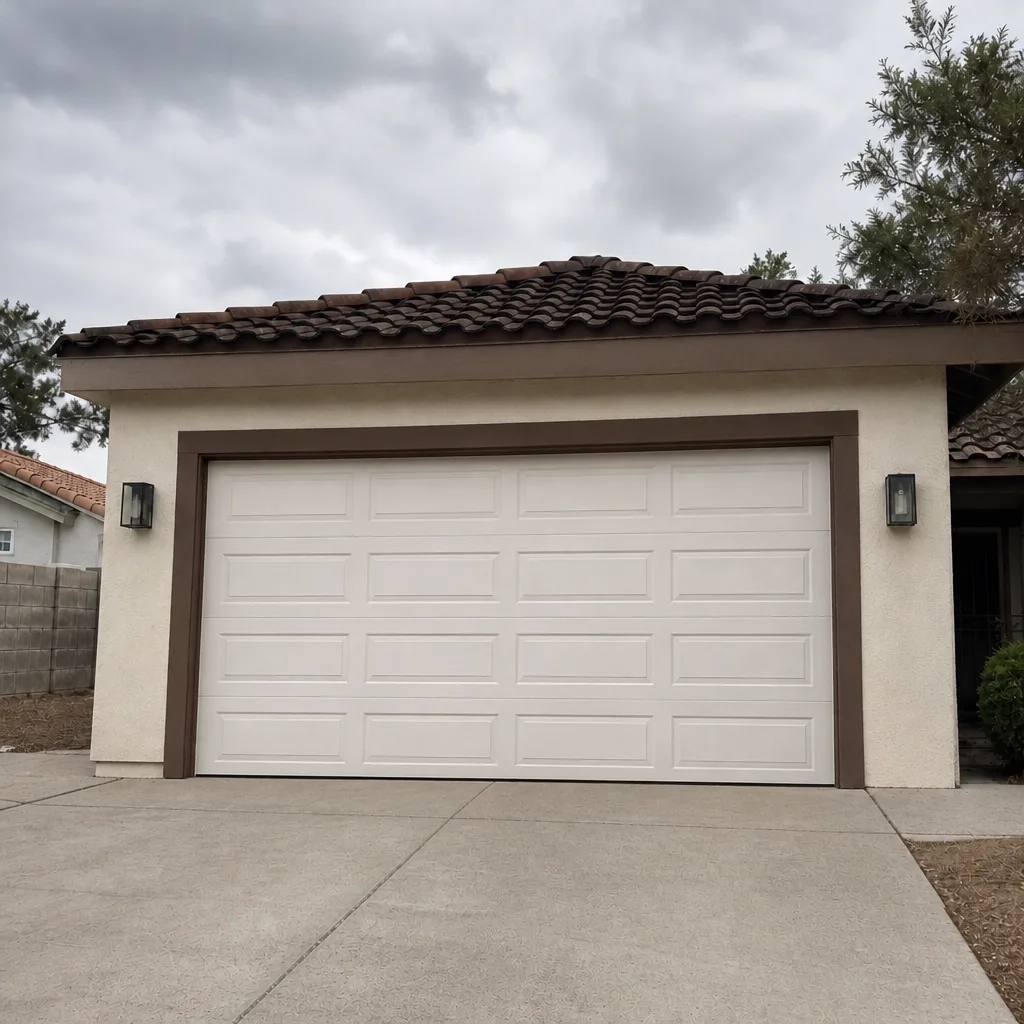 After
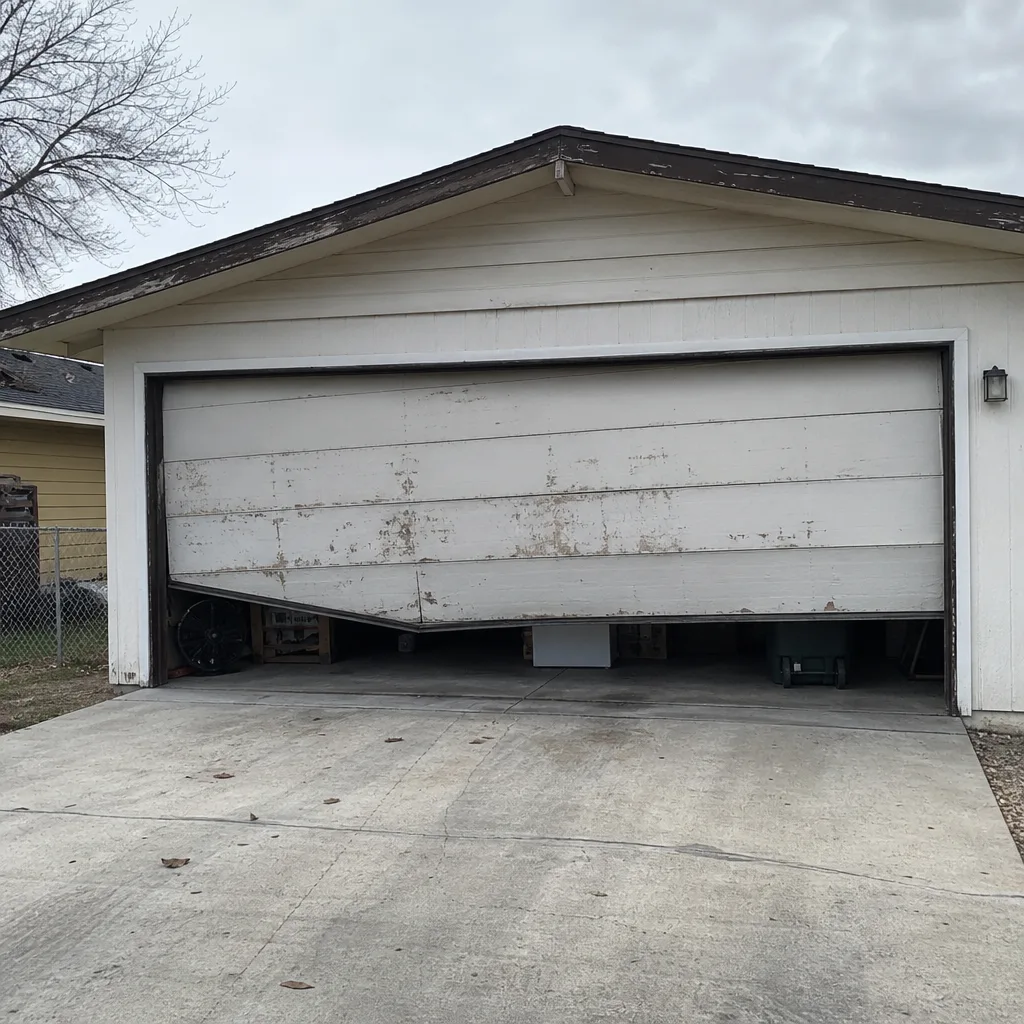 Before
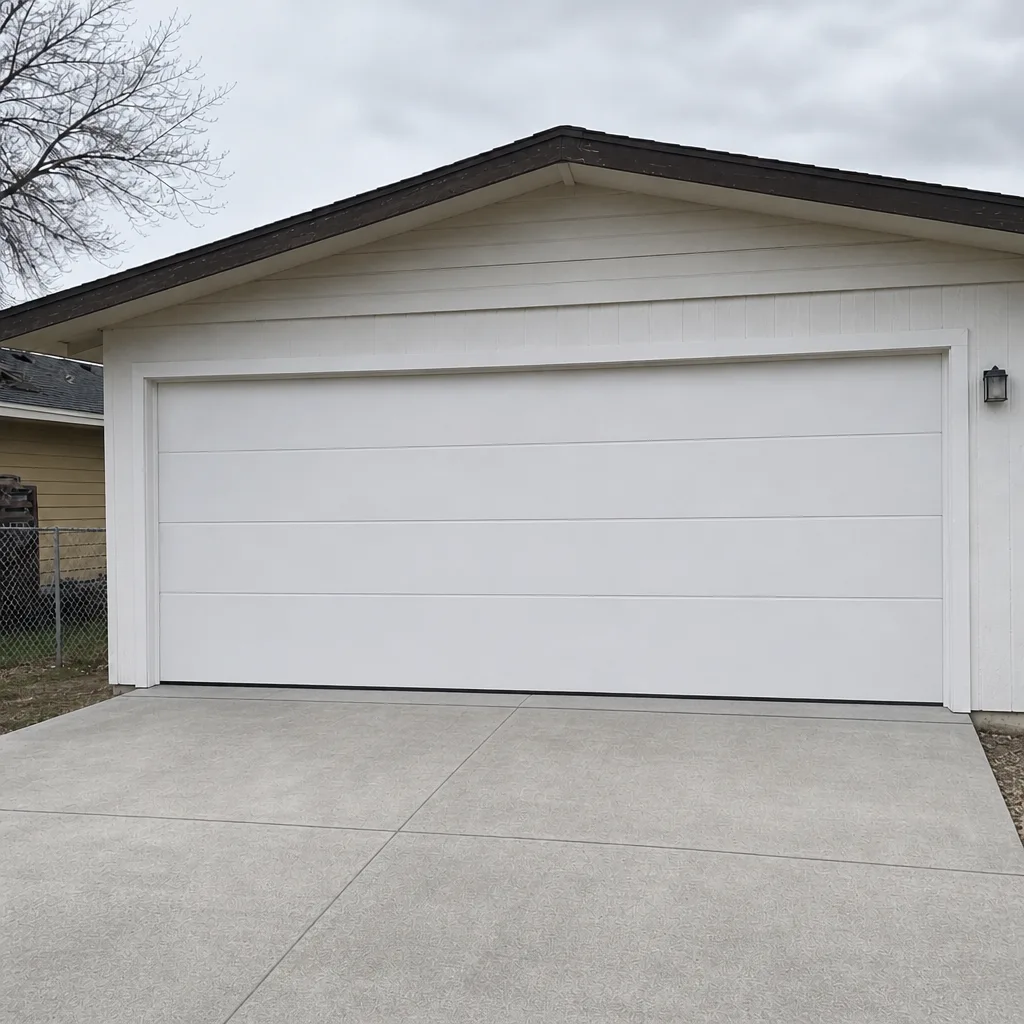 After
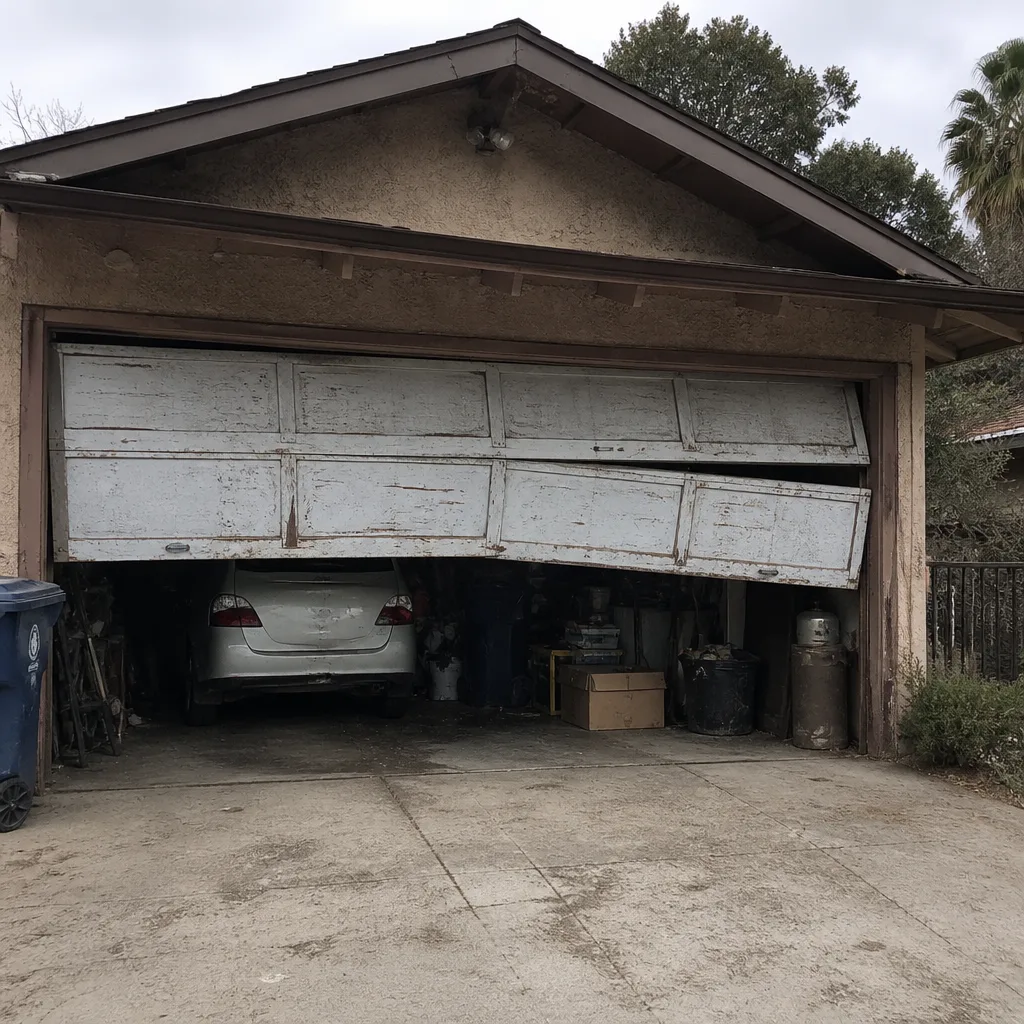 Before
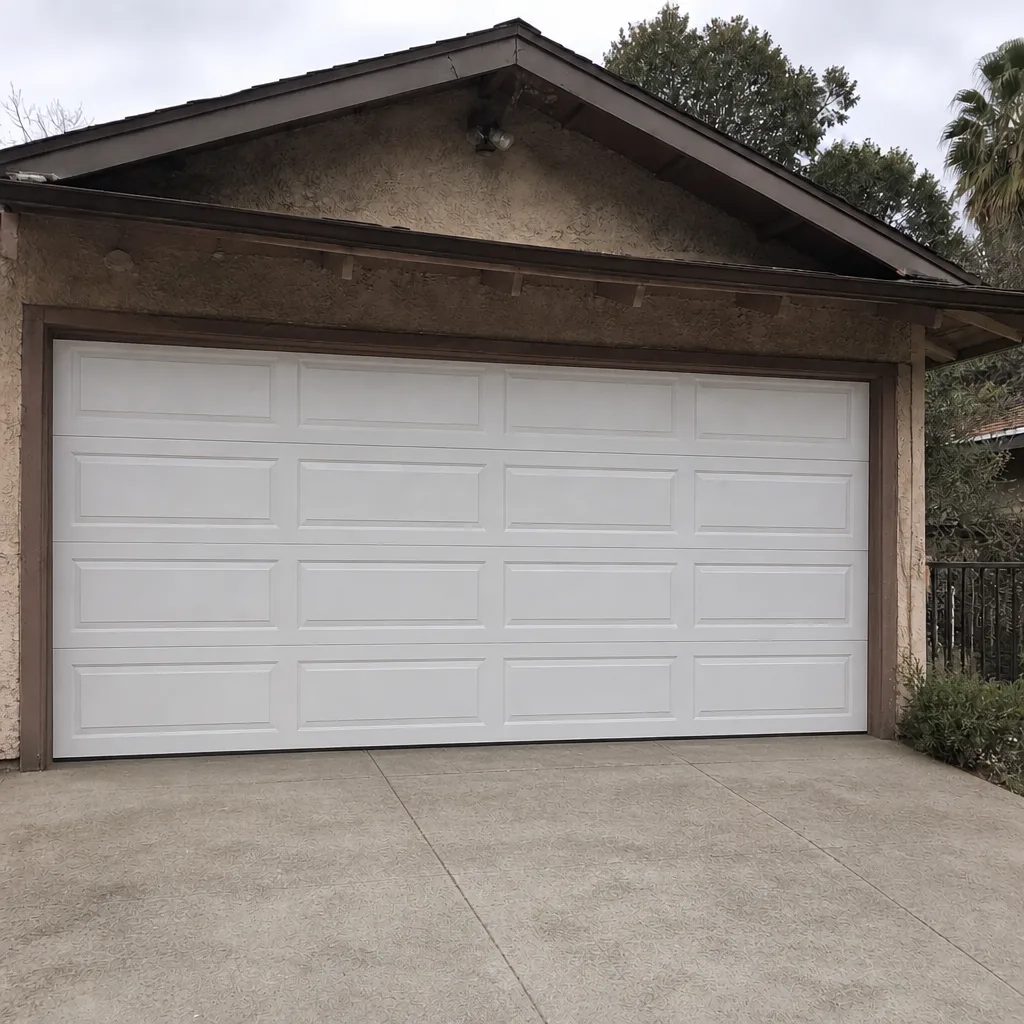 After
Frequently Asked Questions
In most cases, yes – a full garage door replacement in Paradise usually requires a permit through Clark County, especially when the door size, weight, or track configuration changes. Routine part replacement on an existing, already-permitted door typically does not. Confirm your specific scope with the county building department before ordering. Call (855) 914-8765 for a free estimate and we’ll help you sort out which side of the line you’re on.
Adding or modifying an electrical circuit for a new garage door opener generally requires an electrical permit. That’s separate from the door permit, and it falls under licensed electrical work. A like-for-like opener swap into an existing circuit usually does not need one. Call (855) 914-8765 for a free estimate – we can point you to which half of the job needs the sign-off.
Under IRC R302.5, a door between the garage and the living space must be solid wood or solid-core, at least 1 3/8 inches thick, without glass, and must be self-closing and self-latching. This applies to Paradise homes and is one of the most frequently cited items during an inspection. If your project disturbs the framing near that door, it comes into scope. Call (855) 914-8765 for a free estimate if you’re unsure whether your job triggers it.
You can file as an owner-builder in some cases, but you take on the inspection responsibility and the resale exposure personally. Skipping a required permit doesn’t make the requirement disappear – it surfaces at inspection or at sale. High-tension springs and cables are dangerous to handle, and electrical work should go to a licensed electrician regardless. Call (855) 914-8765 for a free estimate if you want a professional read on the scope.
Timelines vary with the scope, the completeness of the submission, and current county workload. A clean scope with complete product and framing documentation moves faster than a vague one that gets sent back for more information. Confirm current timelines directly with the building department when you file. For a free estimate on the installation itself, call (855) 914-8765.
Yes – HOA architectural approval should come before the county permit. A county permit does not override an HOA denial, and filing for the county permit before you have HOA sign-off can create a conflict if the committee rejects your proposed door. Get the HOA approval in writing first, then file. Call (855) 914-8765 for a free estimate and we can talk you through what tends to clear in Paradise communities.
The Bottom Line
A garage door in Paradise is a bigger project than most homeowners expect once permits, code, and HOA approval are on the table. Full replacements and structural changes generally require a Clark County permit; routine repair usually doesn’t. HOA architectural approval comes before the county permit, not after. The IRC provisions that catch people out are R302.5 for the door between garage and house and R612 for the overhead door itself, and the NEC provisions for grounding and circuits catch people on the opener side. Inspections pass on the first visit when the installer plans for them. If you’re planning work in Paradise and want a clear read on the scope before you commit, reach out to the Garage Door Paradise team, and check our Paradise service page for more on how we approach local jobs.
Get a Free Estimate on Your Paradise Garage Door Project
Whether you’re replacing a door, installing a new opener, or want a professional read on whether the work you’re planning needs a permit, we can help. Our technicians work across the major brands, know the Clark County process, and will tell you honestly whether repair or replacement is the right call. Call (855) 914-8765 for a free estimate. We answer 24/7. Fast dispatch from 7am to 7pm, Sunday through Friday.
Written by the team at Garage Door Paradise.