
Last updated November 18, 2026
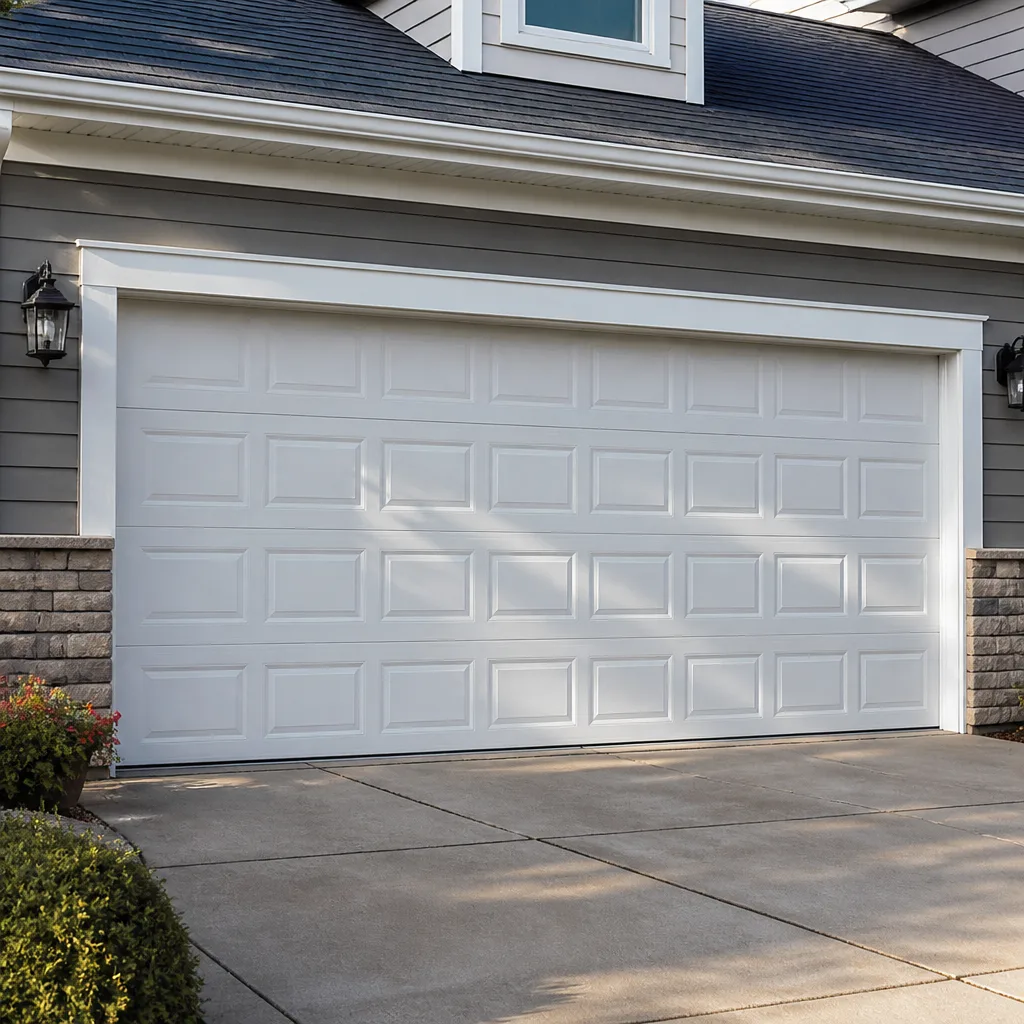 Raised-panel steel
 Carriage house
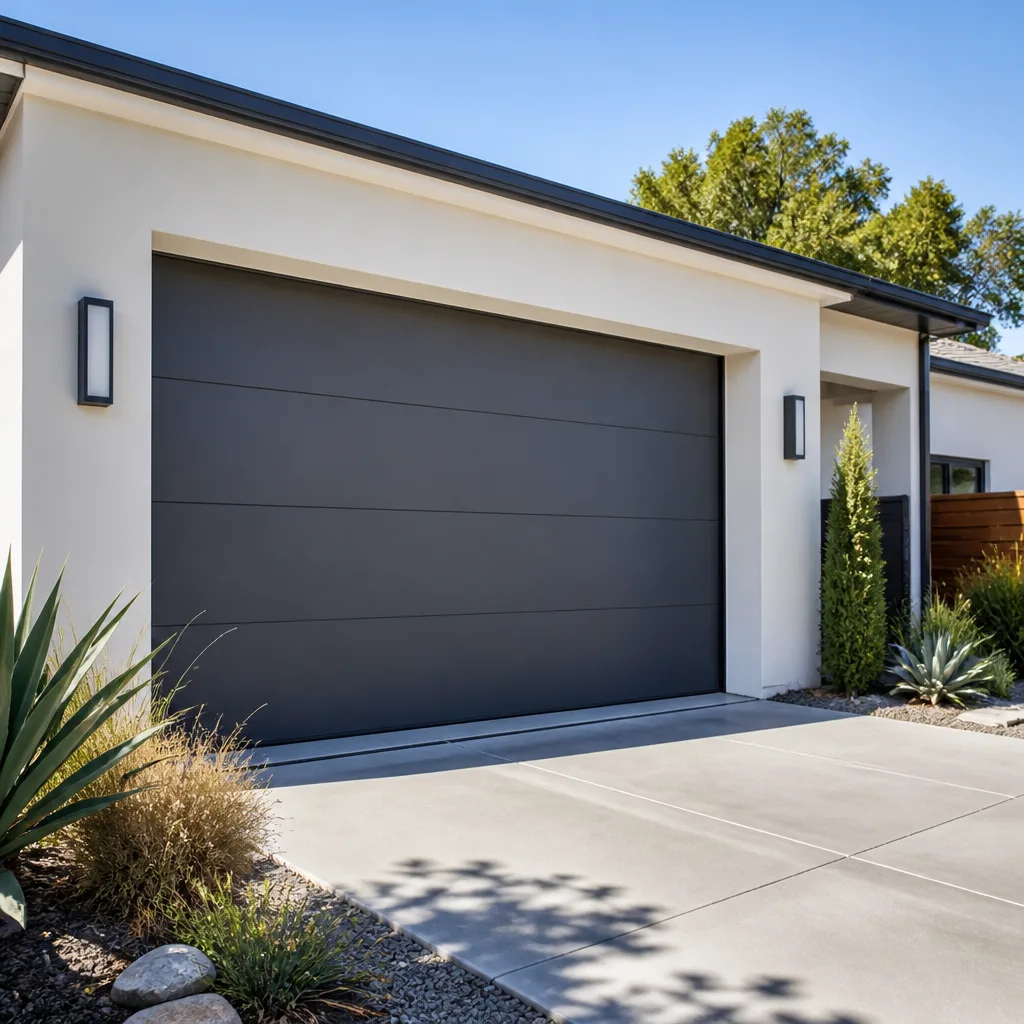 Modern flush
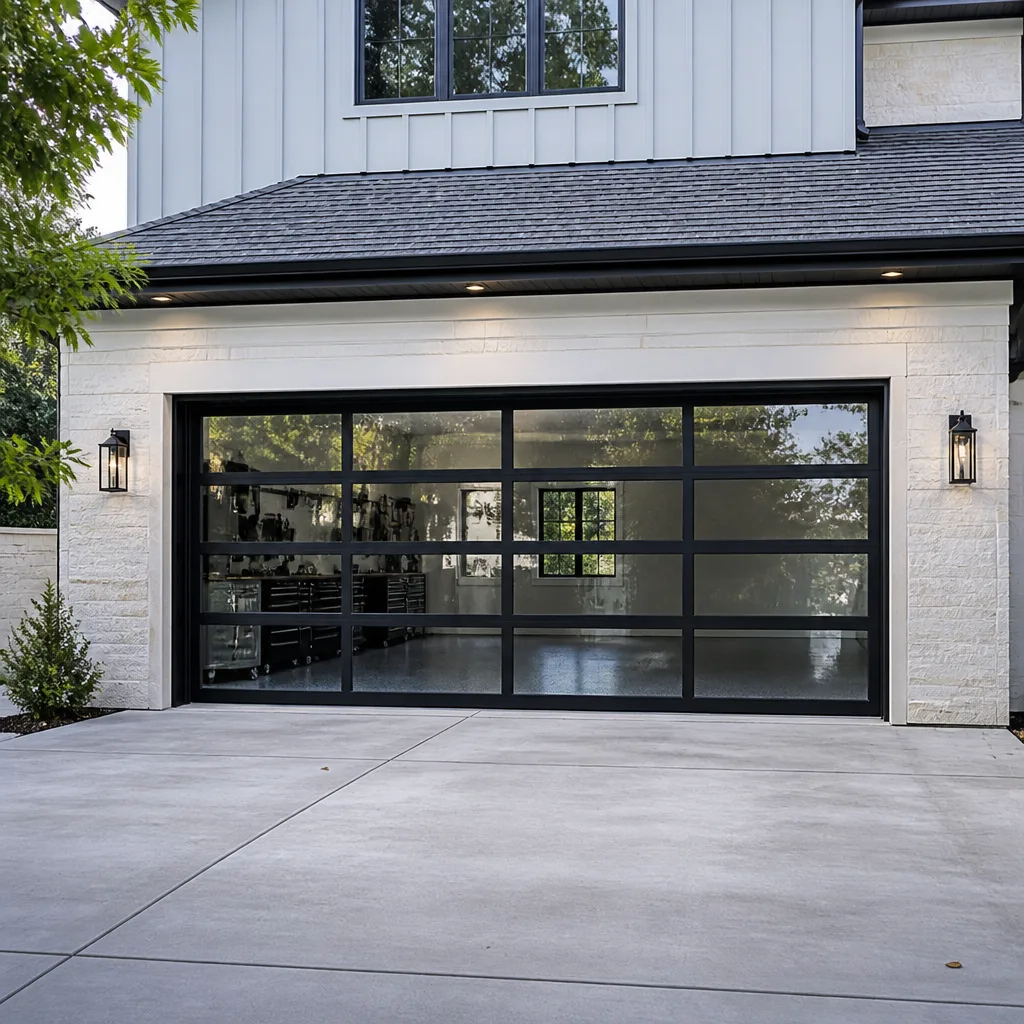 Full-view glass
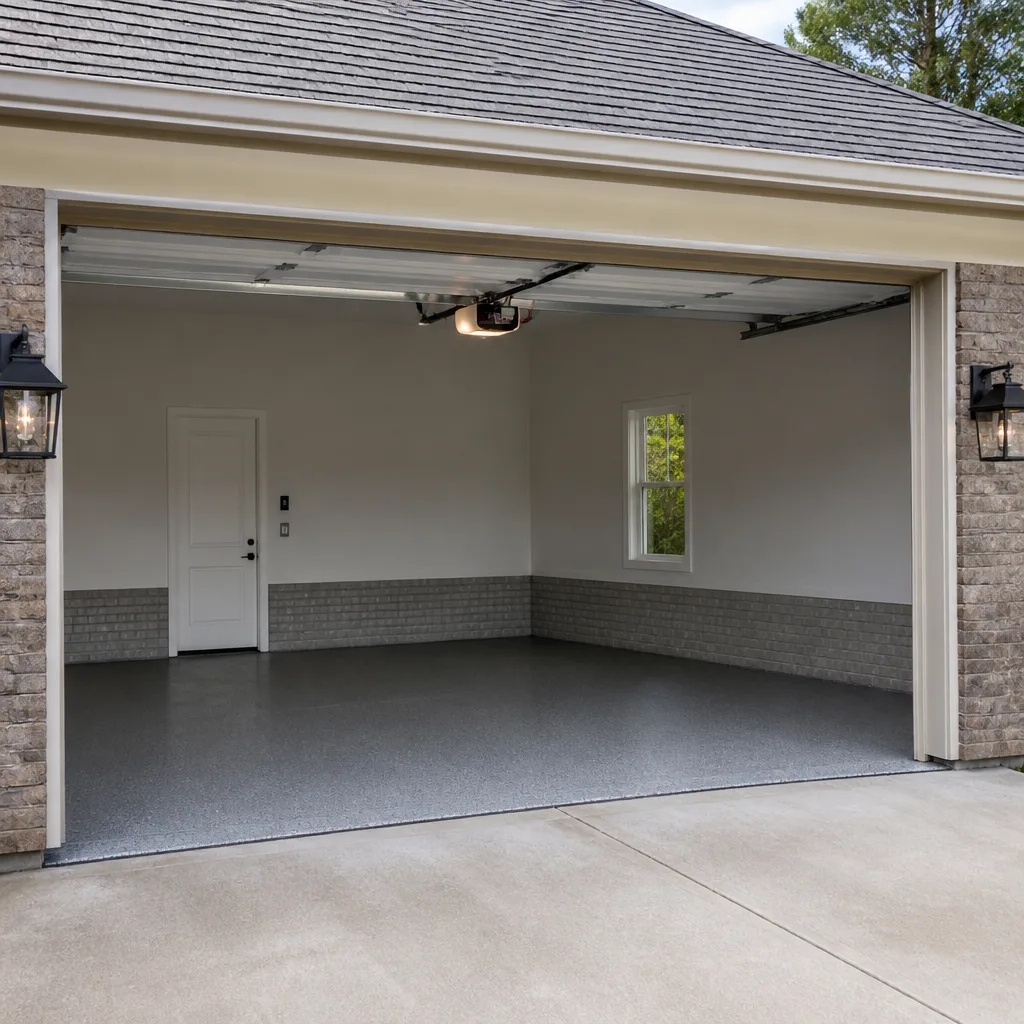 LiftMaster openers
 Chamberlain openers
Full 25-point door and opener safety check with every visit - springs, cables, rollers, tracks, and your LiftMaster or Chamberlain opener included
You get a price before we start. It does not change when the pro arrives.
Get your free estimateGarage Door Repair Maintenance Schedule: What to Do and When
The standard “lubricate it once a year” advice was written for a climate with four mild seasons. In Paradise, NV, your garage door lives through a different reality: months of 110°F heat, relentless UV, dust that settles into every moving part, and then a sudden cold snap that makes metal and rubber behave like different materials altogether. A single annual tune-up misses both ends of that swing. What follows is a maintenance schedule built for the desert, splitting the year into two distinct phases so your door and opener get attention when the conditions actually demand it.
Quick Answer
In Paradise, NV, a garage door needs two maintenance events per year, not one: a pre-summer service in April focused on lubrication and heat prep, and a post-summer recovery in October focused on springs, weatherstripping, and hardware loosened by months of extreme heat. Between those two visits, homeowners should run a monthly 60-second safety check and keep a simple maintenance log.
Styles & brands we work with
- Raised-panel steel
- Carriage house
- Modern flush
- Full-view glass
- LiftMaster openers
- Chamberlain openers
Table of Contents
- Why Desert Climate Breaks the Standard Maintenance Rules
- The Two-Phase Annual Schedule for Paradise
- Which Lubricants Actually Survive 110°F Heat
- How to Check Your Springs Safely at Home
- Weatherstripping and Dust: A Desert Inspection Cadence
- The Monthly Safety Check in Under Two Minutes
- Building a Maintenance Log That Helps a Technician
- Common Mistakes to Avoid
Why Desert Climate Breaks the Standard Maintenance Rules
Most garage door maintenance advice circulates online assumes moderate humidity and a real winter. That advice underweights two things that matter enormously in Paradise, NV: heat degradation and dust abrasion. White lithium grease recommended by generational guides can thin out under sustained 110°F ambient temperatures – and a closed garage on a west-facing wall routinely gets hotter than the outdoor air. When grease loses viscosity, it stops clinging to the tracks and hinges that need it most, and the friction that follows accelerates wear on every moving part.
UV is the second major factor. Rubber seals, weatherstripping, and the plastic components inside an opener degrade under direct sun, and most garages in Paradise receive all-day exposure on at least one wall. A seal that looks fine in spring can crack and crumble by September. Dust makes it worse by acting like a fine abrasive inside hinges, rollers, and the opener’s drive system – the more it collects, the faster the parts that hold the door together start to fail.
None of this means the standard advice is wrong. It means it’s incomplete for a Paradise homeowner. You need the same tasks, timed differently, with different products. That’s what the two-phase schedule below solves. For anything that requires working on tensioned parts or the opener itself, get a trained technician involved – garage door repair is what we do all day, and we work with LiftMaster, Chamberlain, Genie, and the other major systems without pushing a brand you don’t need.
The Two-Phase Annual Schedule for Paradise
Think of the year as two halves: getting the door ready for summer, and then recovering the door after summer. Each phase has its own tasks because each one is damaging in a different way.
Phase 1: Pre-Summer Prep (April)
The April visit is about heat resilience. Everything you do here buys you months of trouble-free operation in the worst stretch of the year.
- Lubricate hinges, rollers, and track pivots with a heat-stable silicone or lithium product (more on this below).
- Check and adjust the opener’s force and travel limits so the door isn’t straining against heat-swollen wood or metal.
- Test the safety reverse – both the mechanical reverse and the photo-eye safety sensors.
- Tighten all visible bolts and brackets before thermal expansion loosens them further.
- Inspect weatherstripping for early UV cracking and replace anything already brittle.
- Balance the door – see if it holds position at halfway open, which tells you if a spring is already weakening.
Phase 2: Post-Summer Recovery (October)
The October visit is about repair and reset. Summer has done its damage, and this visit catches it before cold weather puts new stress on tired parts.
- Re-lubricate everything – spring heat cycles will have pushed the April grease out.
- Inspect springs for rust and stretch – the springs have cycled hundreds of times in extreme heat.
- Replace worn rollers and hinges if the April set is showing flat spots or play.
- Re-check weatherstripping for UV damage that showed up in June or July.
- Test opener operation again – motor strain that seemed minor in spring often surfaces by fall.
- Review the maintenance log so a technician can see what’s been replace versus original.
If either phase turns up something that needs a genuine repair – a broken spring, a failing opener motor, a bent track – call us. Our technicians have up to 11 years of experience and can usually tell in minutes whether you’re looking at a fix or a replacement. If your system is a Raynor or a Genie and you’re not sure you’ve ever had it serviced, this is the appointment to schedule. In Paradise, replacing a tired door with a new one across multiple brands and styles is also something we handle, so you don’t have to line up a second contractor.
Which Lubricants Actually Survive 110°F Heat
Not all lubricants are equal in desert heat, and two common choices actively hurt you. Here’s how the three most common options behave:
- White lithium grease: fine in mild climates, but in Paradise, NV it can thin out on hot days and drip away from the rollers and hinges it’s supposed to protect. It also collects dust like a magnet, which turns it into a grinding paste over time. Use it sparingly if at all, and never on the track itself.
- Silicone spray: the best default for desert heat. It’s heat-stable, doesn’t collect much dust, and works well on hinges, rollers, and the torsion spring coils. It needs to be re-applied more often than heavy grease, which is why the two-phase schedule builds in extra touch-ups.
- Standard WD-40: the household can is not a lubricant in the way most people think. It’s a solvent and water displacer, and on a garage door it strips the existing lubrication off and leaves moving parts dry. It will make a squeaky door temporarily quieter and then accelerate wear. Skip it on any moving part.
A better routine: silicone spray on hinges, rollers, and spring coils in April and October, with an extra light touch-up in July. Never lubricate the track itself – it’s meant to stay clean and dry so the rollers roll rather than slide. Wipe dust out of the track with a damp cloth and a mild cleaner, then let it dry before operating the door.
How to Check Your Springs Safely at Home
Torsion springs are the most dangerous component on a garage door. They store enough energy to cause serious injury if released improperly, and there’s no version of spring replacement or adjustment that a homeowner should attempt. What you can do safely is observe and test without touching anything under tension.
- Disconnect the opener using the emergency release handle so the door moves manually only.
- Lift the door to about halfway open and let go.
- Watch what happens: a balanced door holds roughly in place. A door that slowly drifts down suggests a weakening spring. A door that slams down or feels extremely heavy suggests a compromised spring.
- Inspect visually – look for a visible gap in a torsion spring, sagging, rust streaks, or a torsion spring that has clearly separated into two pieces. A broken spring means stop using the door.
- Check for noise on operation – loud popping or twanging sounds from the spring area are a warning to stop and call.
If any of those tests fail, don’t try to adjust the tension yourself. The safe move is to stop using the door and call for service. Our team can usually tell you what’s wrong from a quick conversation, and the fix is a professional job every time.
Weatherstripping and Dust: A Desert Inspection Cadence
Most weatherstripping advice focuses on keeping rain and cold air out. In Paradise, the main enemies are dust and UV. A hardened or cracked bottom seal lets in fine dust that settles on the garage floor, gets tracked into the house, and – more importantly – works its way into the door’s moving parts over time. UV cracks the outer rubber layer on the sun-facing side long before the underside shows any problem, so a quick glance from inside the garage isn’t enough.
Inspect weatherstripping four times a year: April, July, October, and one mid-winter check. Each time, run a hand along the bottom seal and the side jambs, look for cracks, flat spots, and gaps where light shows through, and flex the material to see if it still springs back. Rubber that cracks when flexed is dead even if it looks intact from a distance. Bottom seals typically last a few years in Paradise before UV wins, and the replacement cost is modest compared to the dust and pest problems a failed seal creates.
The Monthly Safety Check in Under Two Minutes
Between the two big visits, a one-minute walk-around catches problems while they’re still small.
- Photo-eye test: with the door open, pass an object through the beam – the door should reverse or stop immediately. If it doesn’t, call before the door is used again.
- Force test: place a roll of paper towels on the floor under the closing door – it should reverse on contact with light pressure.
- Visual track check: look for anything bent, dented, or obstructed. Small dents become big track problems.
- Sound check: listen for new noises – grinding, popping, squealing. New sounds are the earliest warning you’ll get.
These four checks cost almost no time and give you a running sense of what’s normal for your door. When something changes, you’ll notice.
Building a Maintenance Log That Helps a Technician
One of the most useful things a homeowner can do is keep a simple log. The point isn’t bureaucracy – it’s giving whoever services the door a shortcut to knowing what state it’s actually in. A log that records when parts were replaced tells a technician whether a noise is a worn original or a failing replacement, which changes the diagnosis.
Keep a small notebook or a note on your phone with three columns: Date, Task, Parts Replaced or Observed. Every time you do a monthly check, add a line. Every time a technician comes out, add two – one for the visit, one for what they replaced. Bring the log out at the April and October appointments, and the technician can see patterns: a hinge replaced three times in two years means something’s misaligned. Two spring failures in three years means the door is out of balance or overloaded. Without that record, every visit starts from zero.
If you’ve never kept a log, start with a single entry: the date you’re reading this, and what your door currently sounds and feels like. Even that gives a technician a reference point.
Common Mistakes to Avoid
- Following a generic calendar instead of the desert one. The “lubricate once in spring” recommendation from national guides leaves your door dry by July in Paradise. Two phases isn’t overkill; it’s the minimum.
- Using standard WD-40 on moving parts. It strips lubrication and accelerates wear. Save it for removing a rusty bolt, not for the hinge.
- Lubricating the track. This is one of the most common homeowner errors because it seems logical. Grease on the track attracts dust and makes rollers slide instead of roll.
- Ignoring weatherstripping because it “looks fine.” UV damage on the outside surface is invisible from inside the garage. Flex the rubber with your hand.
- Tightening bolts “good enough” without torque discipline. Over-tightening can strip an aluminum bracket, and under-tightening leaves a rattle. Use a wrench, not a screwdriver, and snug not crank.
- Trying to adjust spring tension yourself. This is the one mistake on this list that can put you in the hospital. Call a professional – every time.
- Never keeping a record. Starting from scratch every visit means the technician can’t see failure patterns that would otherwise be obvious.
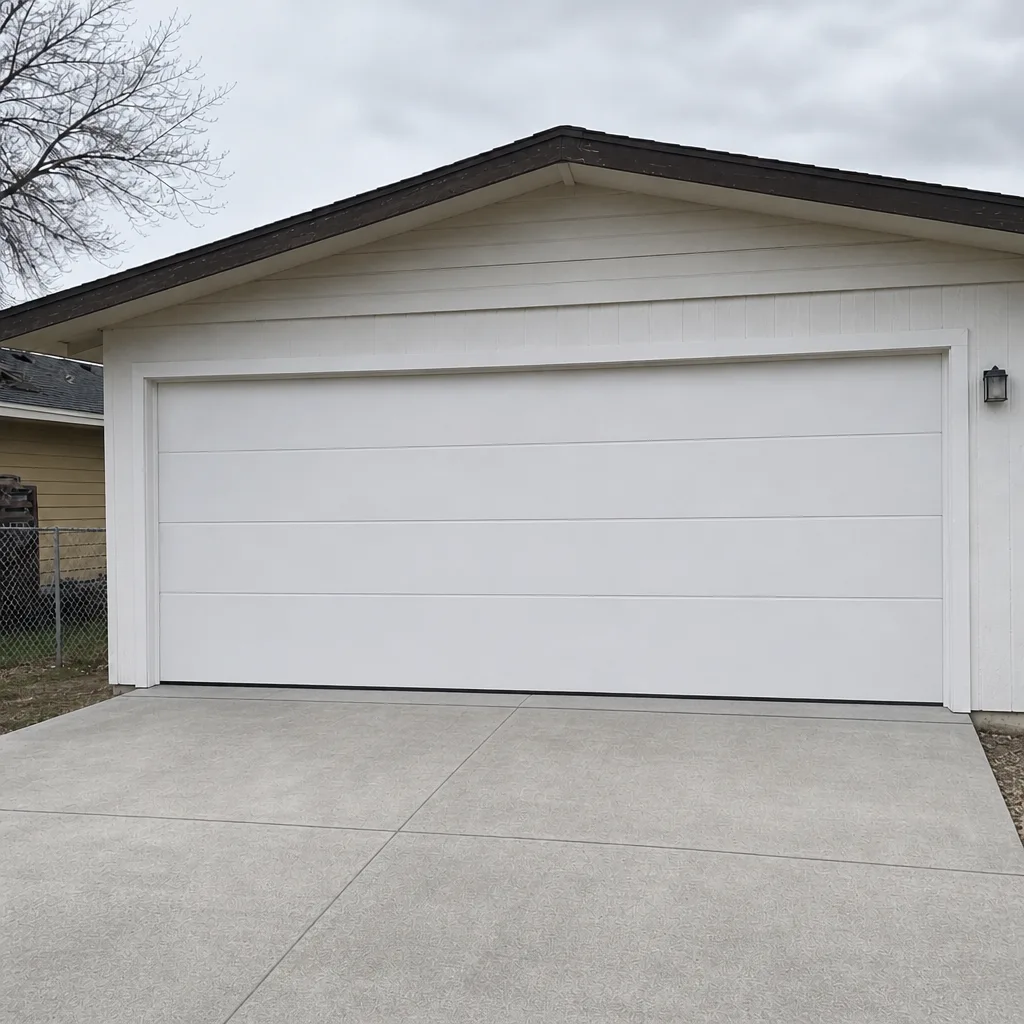
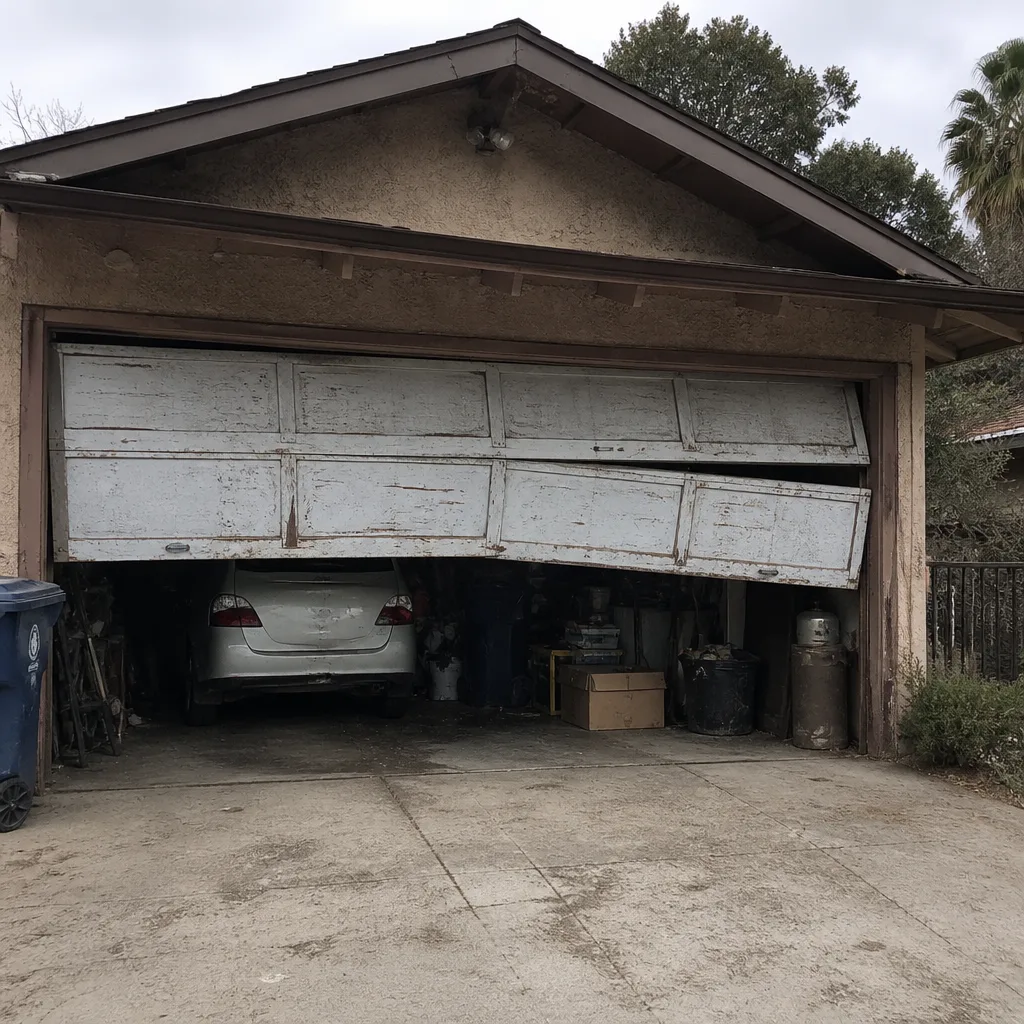
See the difference
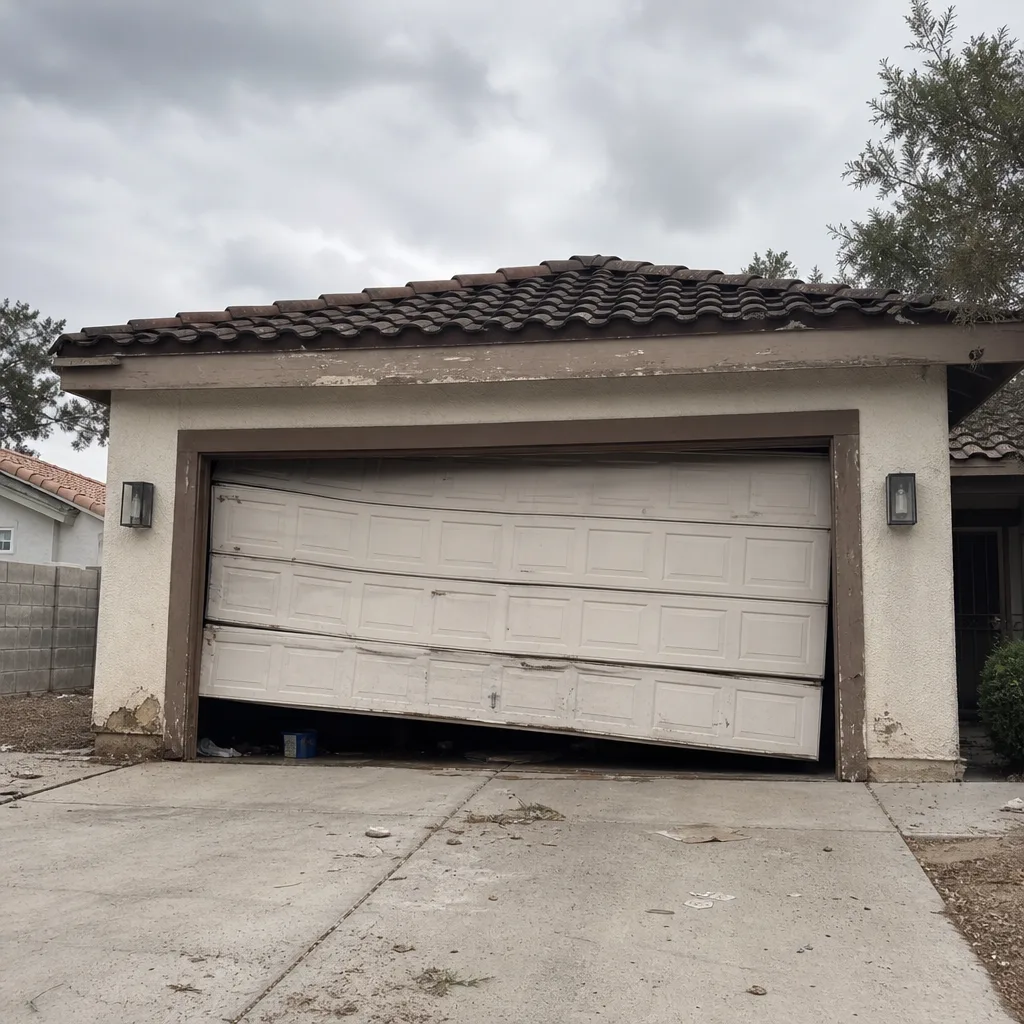 Before
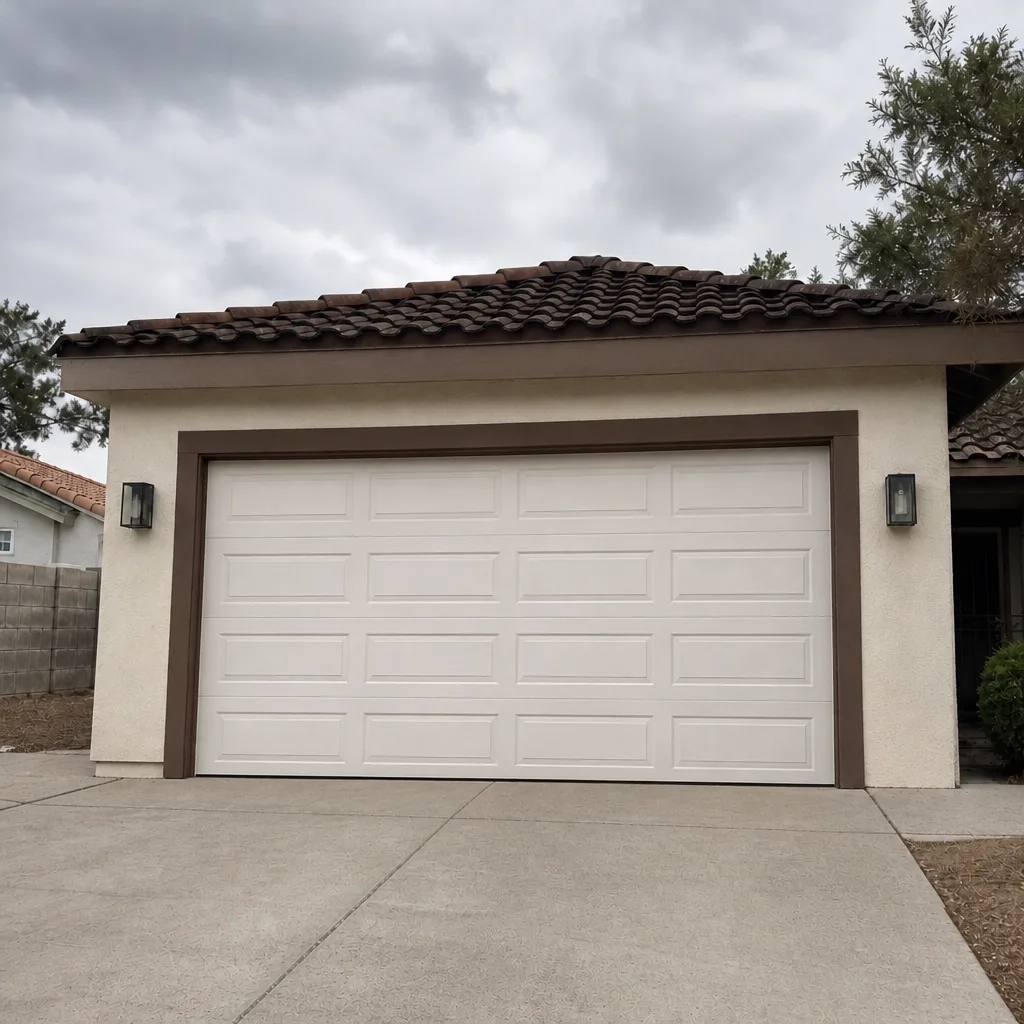 After
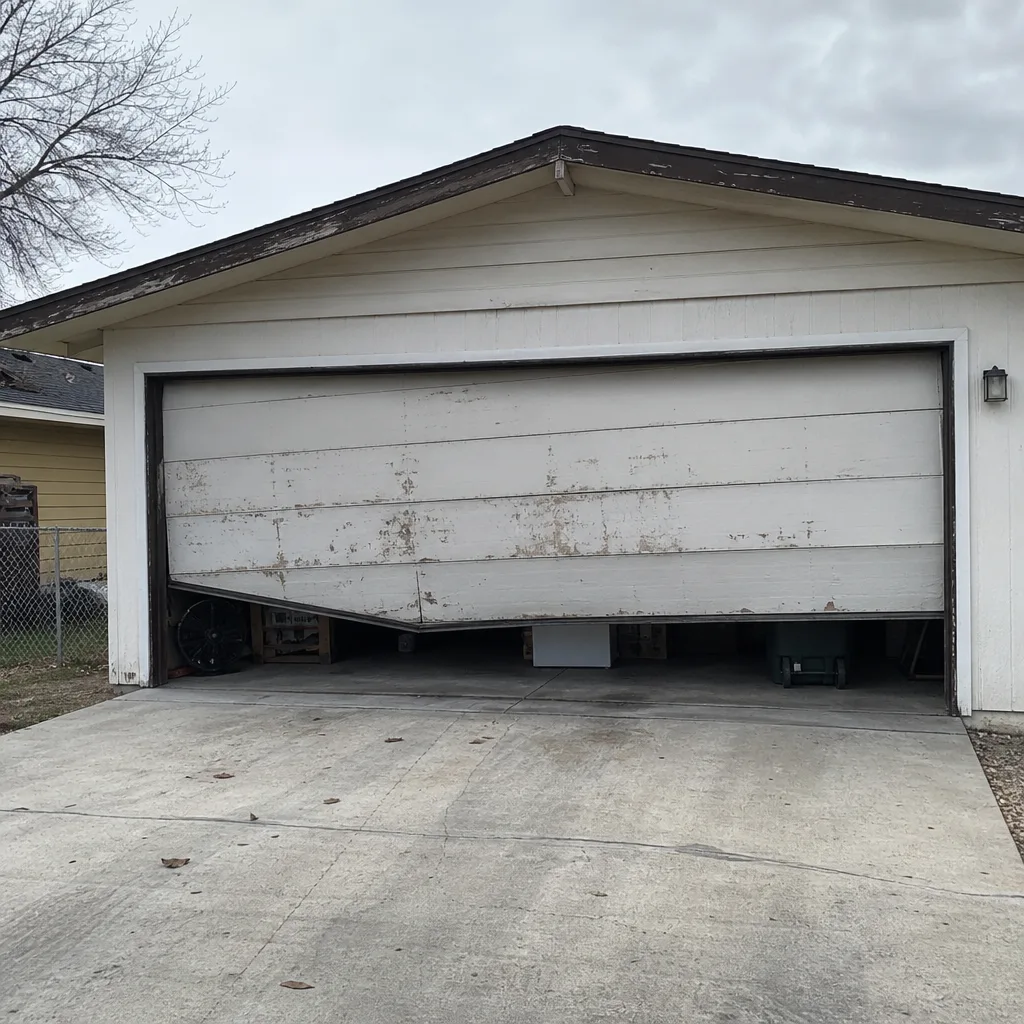 Before
 After
 Before
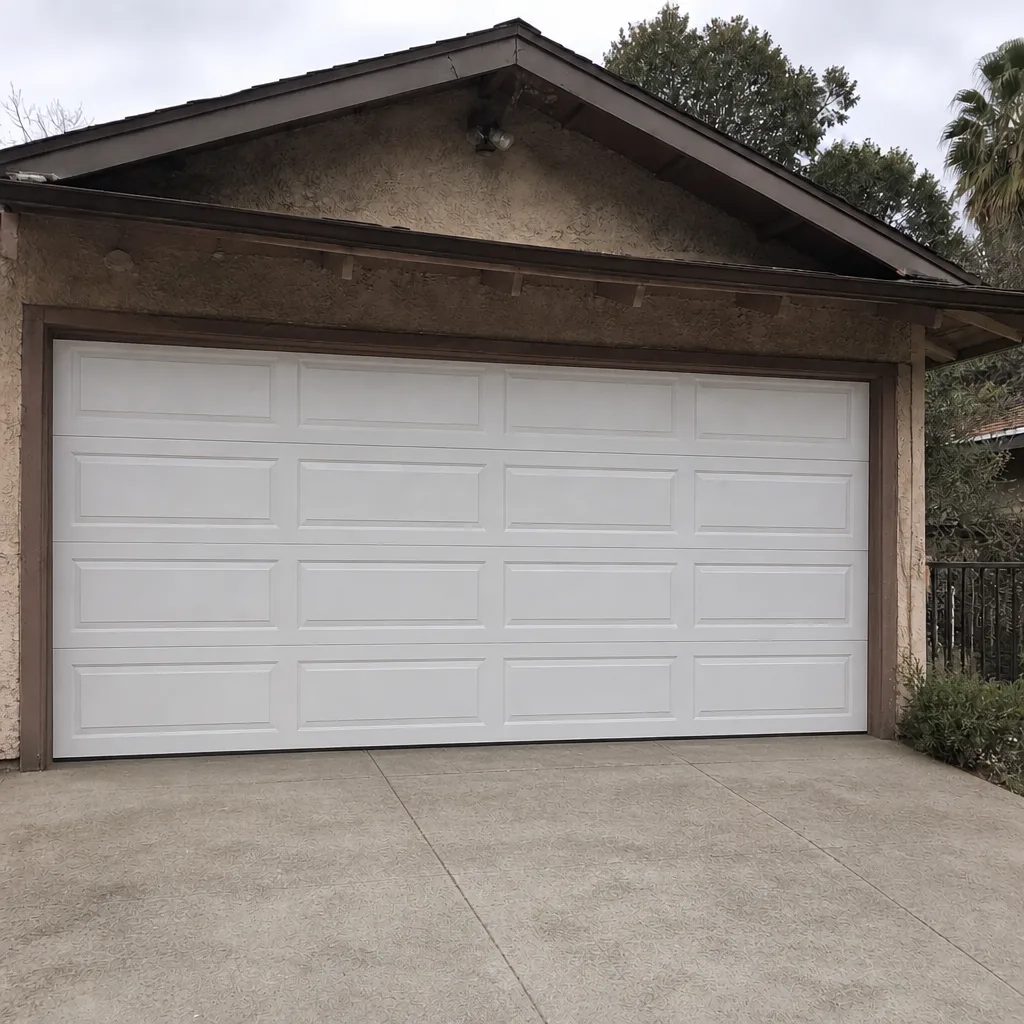 After
When to Call a Professional
Call a professional immediately if the door won’t balance at halfway open, if a spring is visibly broken or making a loud bang, if the door comes down hard or unevenly, if the opener strains, smokes, or reverses for no reason, or if the track is bent or misaligned. Those are all conditions where the safe move is to stop using the door until we look at it. For smaller issues – a squeaky hinge, crumbling weatherstripping, a remote that’s gone dead – a routine service call is enough, and the fix is usually quick. We cover garage door opener repair across the full range of drive types, so even a smart-home setup can be diagnosed without sending you to the manufacturer.
If you’re a Paradise homeowner who’s been putting off the April tune-up – or the October one – this is a good time to book. Garage Door Paradise offers free estimates in Paradise, and we can usually tell you on the phone whether you’re looking at a maintenance visit or a real repair. Our technicians have up to 11 years of experience across the brands you’re most likely to have. Call (855) 914-8765. We answer 24/7. Fast dispatch from 7am to 7pm, Sunday through Friday.
Frequently Asked Questions
Twice a year, once in April before the heat and once in October after it. The two-phase split matters because heat degrades lubrication and UV damages seals in a way that a single annual visit can’t address. If your door is over ten years old or you don’t know its service history, a third mid-summer check is worth scheduling.
Yes, with silicone spray, on hinges, rollers, and the spring coils, and never on the track. Skip standard WD-40 and go light on white lithium grease in summer heat. If you’re not sure which parts to hit, a quick call to (855) 914-8765 will point you in the right direction, and the estimate for a service visit is free.
A change in how heavy the door feels when lifted manually, or a door that won’t hold its position at halfway open. Sounds followed by the door suddenly being too heavy to lift at all are the late-stage version. Never adjust or replace a spring yourself – call a professional. For a free estimate on spring repair in Paradise, call (855) 914-8765.
Yes. Lubricants thin out faster, weatherstripping cracks sooner, and bolts loosen more often than in milder climates. A schedule built for a four-season climate will leave a Paradise door under-maintained by late summer. The tasks stay the same; the frequency and products change.
We work on the major brands installed across Paradise, including LiftMaster, Chamberlain, Genie, Clopay, Amarr, Wayne Dalton, Craftsman, and Raynor. You don’t need to know which one you have going in. Call us and describe the symptoms; one call covers it. We answer 24/7 and dispatch from 7am to 7pm, Sunday through Friday.
Stop using the door, check whether the breaker or the wall switch is the cause, and call. Opener failures are usually electrical or mechanical issues that a trained technician can diagnose quickly, and pushing a dead or straining opener will damage the drive system. Reach us at (855) 914-8765 for a free estimate.
The Bottom Line
The annual tune-up model doesn’t fit Paradise. In our climate, a garage door works through two distinct stress cycles a year: the heat build-up of summer and the recovery from it. Split your maintenance into an April pre-summer visit and an October post-summer visit, use silicone spray instead of grease or WD-40, inspect weatherstripping four times a year, keep a simple log of what’s been replaced, and never touch a spring under tension. Do those things and your door will hold up far better in the desert than it would under the standard advice. When you need a hand, Garage Door Paradise is a call away.
If you’re in Paradise and you want a free maintenance estimate, call (855) 914-8765. We answer 24/7. Fast dispatch from 7am to 7pm, Sunday through Friday.
Written by the team at Garage Door Paradise.