
Last updated November 18, 2026
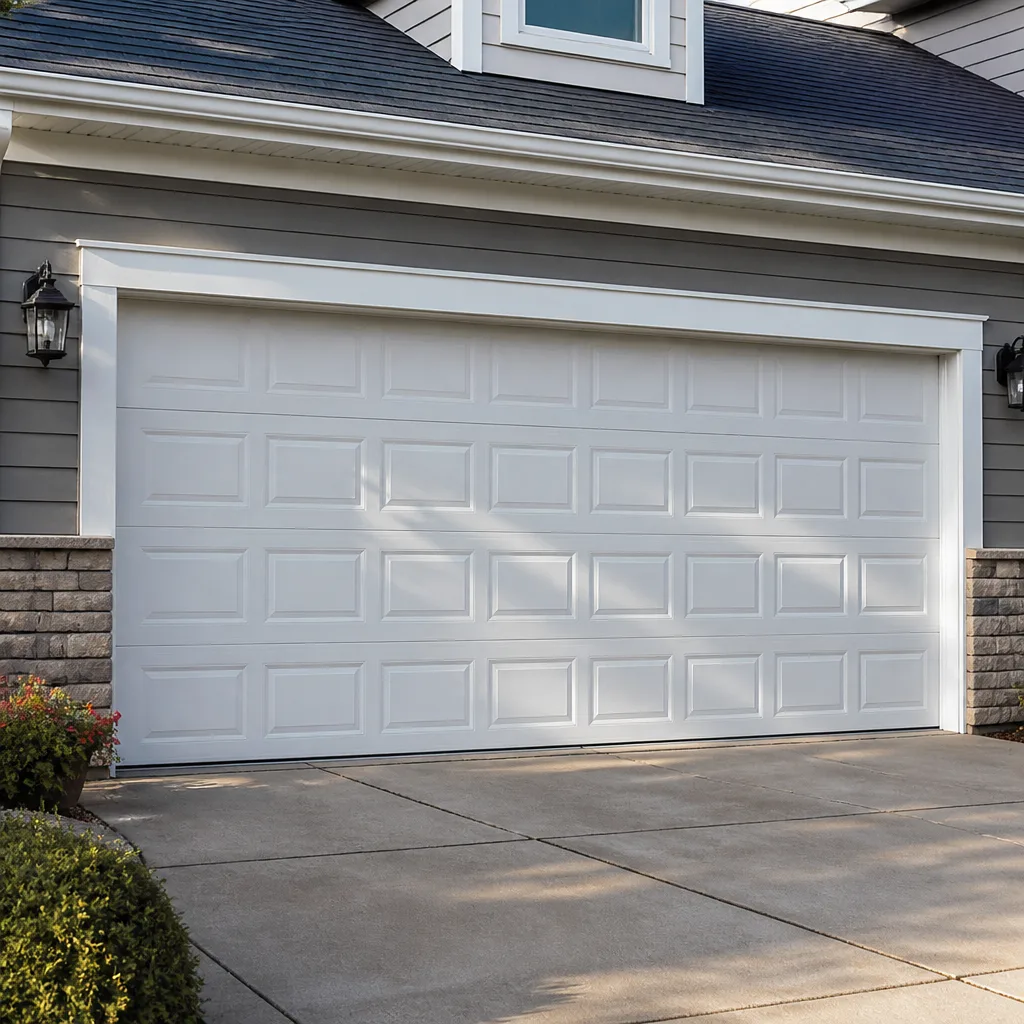 Raised-panel steel
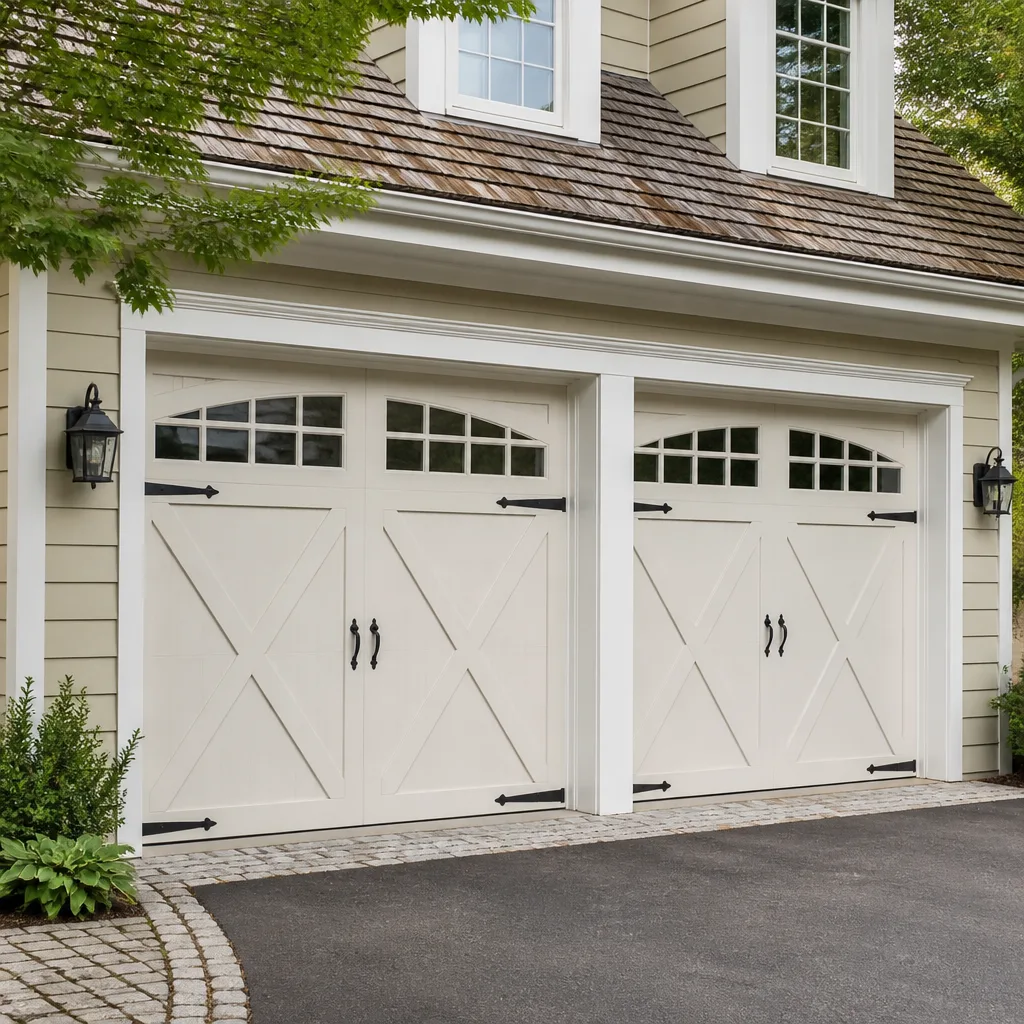 Carriage house
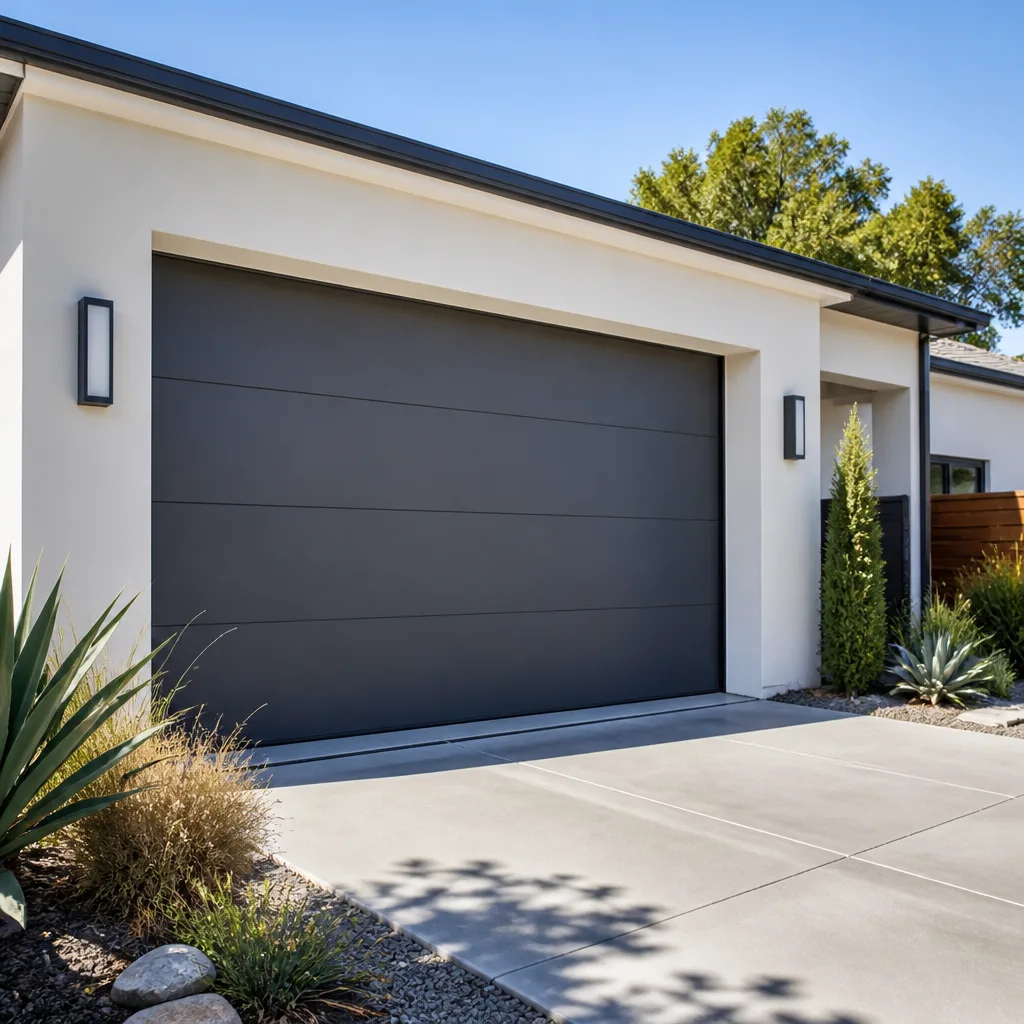 Modern flush
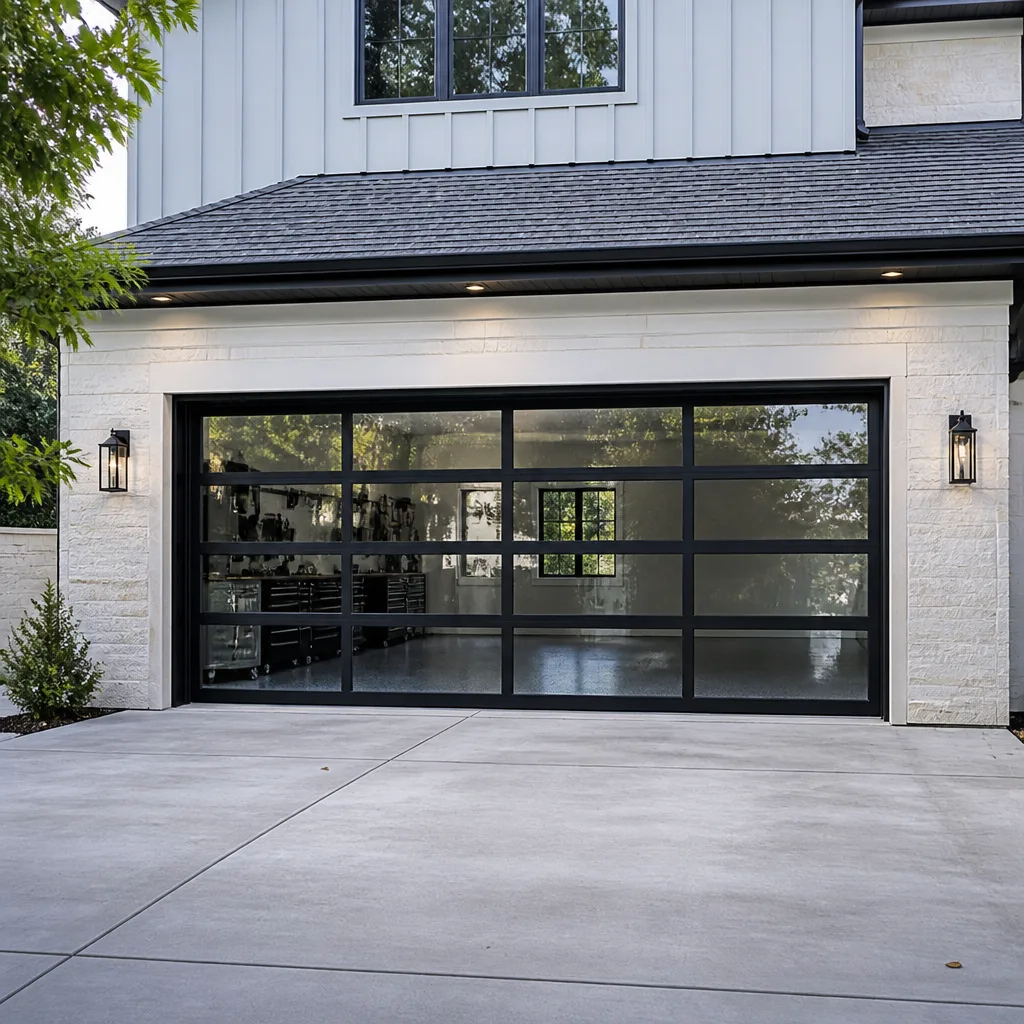 Full-view glass
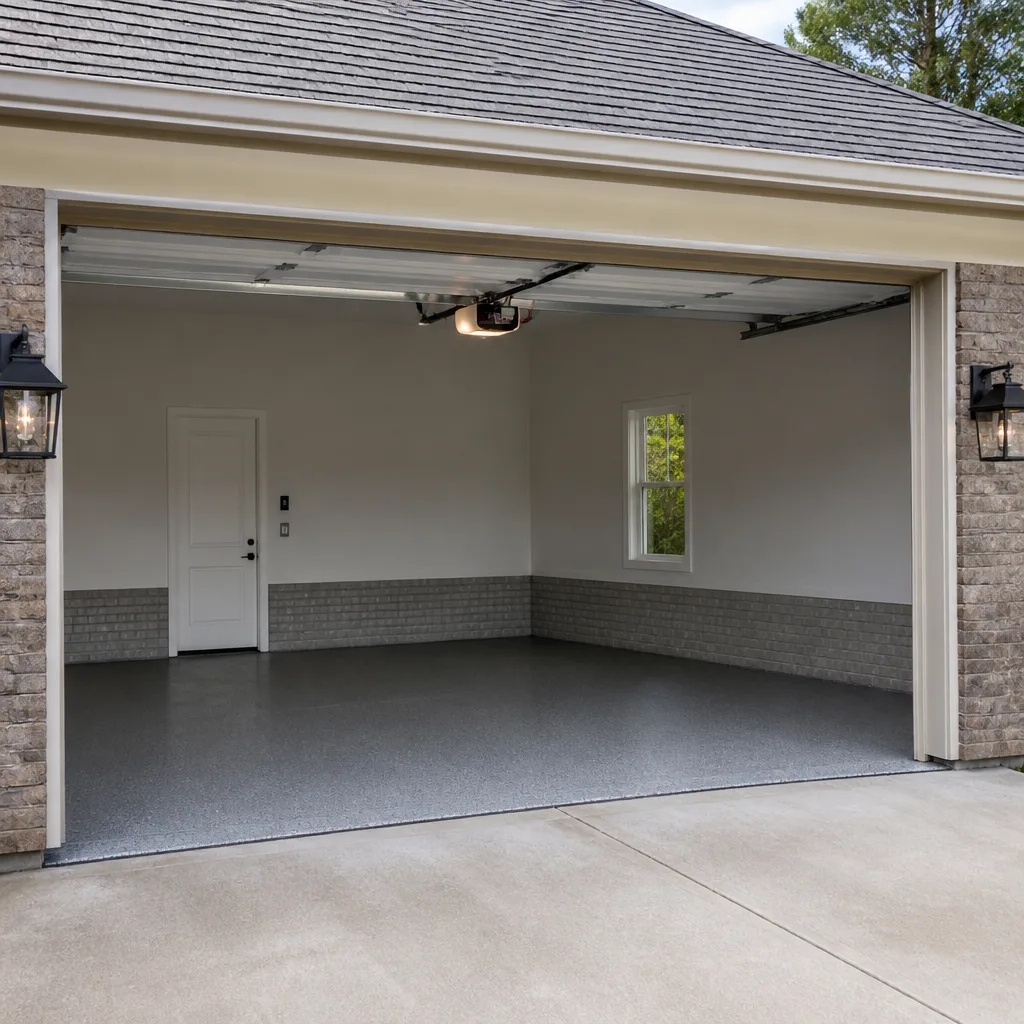 LiftMaster openers
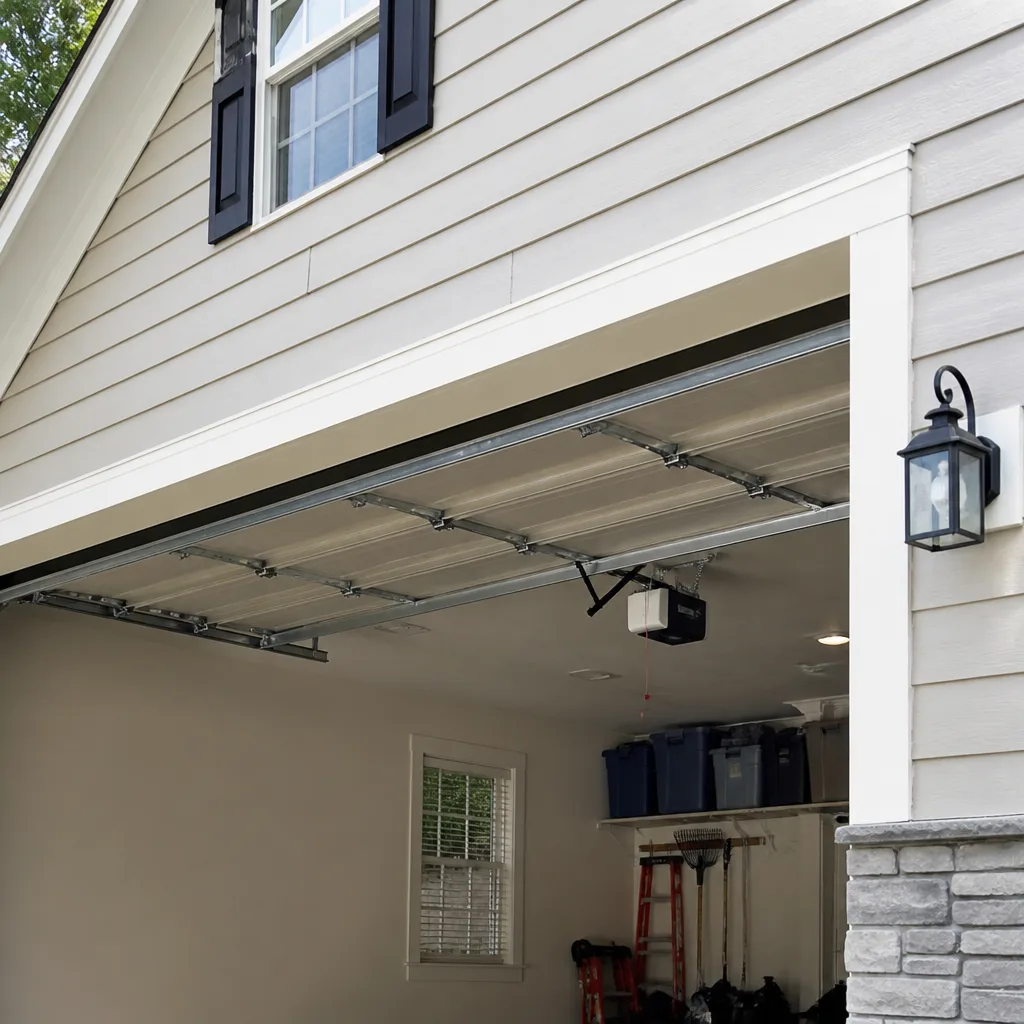 Chamberlain openers
Full 25-point door and opener safety check with every visit - springs, cables, rollers, tracks, and your LiftMaster or Chamberlain opener included
You get a price before we start. It does not change when the pro arrives.
Get your free estimateGarage Door Repair Troubleshooting in Paradise: Common Problems and How to Fix Them
The door that “just stopped working” overnight almost never broke overnight. In almost every case, a chain of cause and effect was already running for weeks or months before the door finally quit, and the failure is just the last link in that chain. A roller that dried out, a track that shifted a quarter inch, a spring that lost tension gradually, a safety sensor that collected dust: none of these announce themselves until the door refuses to move. Once you understand the chain, the fix becomes obvious, and so does whether it’s a fifteen-dollar part or a job for a technician. This guide walks Paradise homeowners through the five root causes behind nearly every garage door problem and shows you how to run a safe diagnosis before you touch anything.
Quick Answer
Most garage door problems fall into one of five root causes: a power or remote issue, a safety sensor misalignment, a track or roller problem, a torsion or extension spring failure, or an opener motor or logic board fault. You can safely identify which of these you’re dealing with by checking power, sensors, and the door’s balance manually, but spring replacement and any work involving cables under tension must be done by a trained professional. In Paradise, extreme summer heat accelerates track warping, roller wear, and lubricant breakdown, so problems that national guides treat as rare tend to be common here.
Styles & brands we work with
- Raised-panel steel
- Carriage house
- Modern flush
- Full-view glass
- LiftMaster openers
- Chamberlain openers
Table of Contents
- The Symptom-to-Root-Cause Decision Tree
- Why Paradise Heat Changes the Rules
- Grinding, Squealing, and Banging: What Each Noise Means
- The Door Moves Partway and Stops: Tension vs. Track
- When the Remote Fails but the Wall Button Works
- Tests You Can Run Safely vs. Tasks for a Pro
- Brand Quirks: Why Beep Codes Differ Across Openers
- Common Mistakes to Avoid
- When to Call a Professional
- Frequently Asked Questions
The Symptom-to-Root-Cause Decision Tree
Before you call anyone, figure out which of four symptom categories your door is in. That single step saves Paradise homeowners either a service visit they didn’t need or, worse, a day spent troubleshooting the wrong component. Here’s how we approach it on every diagnostic call.
Category 1: No movement, no sound. The opener is dead silent when you press the button. This is almost always a power, remote, or logic board problem. Check the outlet, the breaker, and whether the wall button still works. If the wall button works but the remote doesn’t, the issue is in the remote or receiver, not the opener.
Category 2: Motor runs, door doesn’t move. You hear the opener humming but the door stays put. This usually means a broken spring, a snapped cable, or a disengaged trolley. Stop pressing the button. Running a motor against a door that can’t move can burn out the opener.
Category 3: Door moves but binds, jerks, or looks uneven. Movement is happening, but it’s ugly. This points to track misalignment, worn rollers, or a tension imbalance between the two springs. This is the category where Paradise heat does the most damage.
Category 4: Door reverses immediately or won’t close. This is almost always the safety sensors. One sensor is knocked out of alignment, blocked, or has a dirty lens. Before anything else, check that both sensors are lit and facing each other, and clear any cobwebs or debris from the lenses.
Work through these in order. Most people find their answer in category 1, 2, or 4 within five minutes. If you land in category 3 and the door looks visibly crooked, that’s your cue to stop and call for garage door repair rather than trying to muscle the door back into alignment.
Why Paradise Heat Changes the Rules
National troubleshooting guides are written for average conditions. Paradise isn’t average. Summer temperatures that push past 110°F put a specific, predictable kind of stress on every component of a garage door system, and we’ve watched those stresses play out on doors across the Paradise area season after season.
Here’s what the heat actually does:
- It warps tracks. Steel tracks expand and contract with temperature swings. A track that fits perfectly in January can develop a subtle bend by August that makes the door drag on one side. You’ll hear a rhythmic scrape as the rollers pass the bend.
- It dries out rollers faster. Nylon and steel rollers lose their lubrication more quickly in dry desert heat. Dry rollers grind against the track and wear flat spots into the steel, which is why grinding noises are so common here compared to cooler climates.
- It breaks down lubricant on springs and hinges. The lubricant you applied in spring is gone by midsummer. Springs that should glide can start to bind, and hinges squeal. This is a maintenance issue, not a failure, but it accelerates everything else.
- It stresses the opener motor. A door that’s slightly harder to lift because of heat-warped tracks forces the opener motor to work harder. That shortens motor life and can trip the opener’s internal force limits, making the door reverse for no apparent reason.
What this means for you: a door that runs quietly from October through April can start misbehaving in June. If your door became noisy or sluggish right as the heat set in, run the decision tree above and pay particular attention to category 3. A simple track adjustment and a fresh application of garage door lubricant often solves a problem that looks much bigger than it is.
Grinding, Squealing, and Banging: What Each Noise Means
The noise your door makes is a diagnostic tool. Each type of sound points to a specific component, and knowing which one saves you from guessing. Here’s what we listen for when a Paradise homeowner describes a sound over the phone.
Grinding or scraping
Grinding is metal on metal, and it nearly always means rollers, hinges, or tracks. Dry rollers grinding along a warped track are the most common cause in Paradise. If the grinding is rhythmic and matches the speed of the door, it’s the rollers passing a bent section of track. If it’s constant, you may have a roller that’s seized completely.
Squealing or high-pitched whining
Squealing usually comes from hinges or from the opener’s drive system. Lubricant on the hinges solves most squeals. If the squeal comes from the opener itself, especially from a belt-drive unit, it may be the belt tensioner.
Loud banging or snapping
A single loud bang followed by the door not moving is the classic sound of a torsion spring breaking. This is the most serious sound a garage door can make. The spring is under enormous tension, and the broken halves can snap violently. Do not attempt to open the door by hand or by remote, and do not touch the spring. Call for service and leave the door alone until a technician arrives.
Rattling or popping
Rattling points to loose hardware: hinge bolts, track brackets, or opener mounting bolts that have worked loose. In Paradise, the thermal cycling between hot days and cooler nights works bolts loose faster than in stable climates. A quick visual inspection with a wrench in hand will usually show you exactly which fastener has backed out.
If the sound is a bang and the door is now stuck, that’s a genuine emergency, not a maintenance issue. Call (855) 914-8765. We answer 24/7. Fast dispatch from 7am to 7pm.
The Door Moves Partway and Stops: Tension vs. Track
A door that opens a few feet and then reverses or stalls is one of the most common calls we get in Paradise, and it can come from two very different root causes: a tension problem or a track problem. Distinguishing them takes about a minute of observation, but the fixes are completely different.
The tension problem
If the door feels heavy when you lift it by hand, or if it won’t stay open at the halfway point, you have a tension problem. The spring has lost the energy it needs to counterbalance the door’s weight. A well-balanced door should stay open at any point you stop it. A door with a weak spring will sag closed the moment you let go, or it will reverse partway up because the opener senses excess force and backs off.
The track problem
If the door feels light when you lift it but still binds or reverses at a specific point, the spring is fine but the track is out. Look for:
- A visible bend in one of the vertical or horizontal tracks
- A gap where the vertical track meets the curved section
- Rollers that have popped out of the track channel
- A door that looks visibly crooked when it’s raised partway
Track problems are fixable without touching springs, but they still require care. Track that’s been knocked out of alignment by heat warp or by a car bumper needs to be straightened and re-bolted, and a bent track section usually needs replacing. This is a good moment to let a technician handle it.
What to do right now
- Press the wall button and watch the door carefully. Note exactly where it stops or reverses.
- Pull the red manual release handle to disconnect the opener from the door. Never pull it while the door is moving.
- Lift the door by hand to the halfway point and let it go. If it stays, tension is fine. If it sags, tension is the problem.
- Reconnect the door by sliding the trolley until it clicks back into the carrier.
If the tension test shows a weak spring, stop there. Spring work is not a homeowner job. The torsion springs that most Paradise doors use are under enough stored energy to cause serious injury, and cables under tension can snap without warning. Call a professional for the repair.
When the Remote Fails but the Wall Button Works
If the wall button opens the door but the remote doesn’t, the good news is that your opener, spring, tracks, and sensors are all fine. The problem is somewhere in the remote, the receiver, or the signal path, and that’s a much shorter troubleshooting list. Work through these in order:
- Replace the battery. It sounds obvious, but a tired remote battery is the single most common cause of an intermittent remote failure in Paradise. Heat accelerates battery drain, so batteries that last two years elsewhere can fade in a year here.
- Check for interference. LED bulbs in the opener itself are a known culprit. If you recently swapped in a new LED bulb near the opener, take it out and test the remote.
- Re-pair the remote. Every remote pairing process is different, but the technique is the same: press the learn button on the opener, then press the remote button within the pairing window. Consult your brand’s instructions for the specific sequence.
- Test a second remote. If a second remote works, the issue is the first remote. If neither works, the issue is the receiver or logic board.
- Check the antenna. The thin antenna wire hanging from the opener can be bent down or tucked behind the motor housing. Straighten it and point it toward the driveway.
If the wall button and remote both fail, the opener’s receiver board is the likely cause, and that’s a job for garage door opener repair. We work on LiftMaster, Chamberlain, Genie, Craftsman, and Raynor openers regularly and can usually identify a bad receiver board with a few minutes of testing on-site.
Tests You Can Run Safely vs. Tasks for a Pro
The most useful skill a homeowner can develop is knowing where the line sits between safe troubleshooting and serious injury. Here’s the line, drawn clearly.
Safe tests (do these yourself)
- Manual disconnect test. Pull the red release handle with the door closed and the opener off, then try to move the door by hand. This tells you whether the problem is the opener or the door.
- Balance test. With the door disconnected, lift it to the halfway point and let go. A balanced door stays put. A door that sags has a tension problem; a door that rises on its own has too much tension.
- Visual spring inspection. Look at the torsion spring above the door or the extension springs above the tracks. A spring with a visible gap or an orange rust line is broken. Do not touch it.
- Sensor check. Confirm both safety sensors at the bottom of the door have their indicator lights on. Adjust one by hand if it’s angled away from the other.
- Visual track inspection. Look for bends, gaps between track sections, and rollers that have popped out.
- Power and remote tests. Breaker, outlet, battery, re-pairing, LED bulb interference.
Tasks for a professional (do not attempt)
- Any spring work. Torsion and extension springs store energy that can cause serious injury if released incorrectly. Winding or unwinding a spring requires specific tools and training.
- Cable work. The cables that run alongside the springs are under constant tension. A snapped cable can whip with enough force to cut through clothing.
- Track replacement. Removing and re-hanging track sections while the door is on them requires controlled support of the door’s weight.
- Opener replacement. Hanging a new opener requires proper mounting, correct force-limit adjustment, and safe electrical connection.
- Force-limit adjustment on the opener. The opener’s force setting is a safety device. Setting it too high can cause the door to crush an object or a person; setting it too low causes endless reversing. Leave it to a technician who can test it correctly.
For anything in that second list, call a professional. Our technicians have up to 11 years of experience, and the repair is safer, faster, and usually cheaper than a hospital visit after a DIY spring attempt.
Brand Quirks: Why Beep Codes Differ Across Openers
Here’s a frustration we hear often: a homeowner looks up a beeping or flashing opener, finds a solution for one brand, and it doesn’t work on theirs. The reason is that the major opener manufacturers use different diagnostic languages, and even brands owned by the same parent company don’t share codes. Chamberlain and LiftMaster are the classic example. They’re part of the same corporate family, but a Chamberlain beep sequence and a LiftMaster flash pattern can mean completely different things.
Some general patterns worth knowing:
- Chamberlain and LiftMaster both use the MyQ ecosystem, but their onboard diagnostics differ. A repeated beep on a Chamberlain usually points to a safety sensor or travel-limit issue; a flash code on a LiftMaster might indicate a logic board fault. The exact meaning depends on the model, so the model number on the opener’s label is the first thing to find.
- Genie openers often use a combination of LED flashes and a stuck-door indicator. Genie’s force-limit adjustment process differs from LiftMaster’s and involves a specific screw on the motor housing.
- Craftsman openers, many of which were built by Chamberlain, still have their own code charts. Don’t assume a Craftsman code matches the Chamberlain code for the same symptom.
- Raynor openers are less common but well-built, and their diagnostic tables are separate from the majors. A Raynor that flashes a code is telling you something specific, and you’ll need Raynor’s chart.
This is where being brand-agnostic makes a real difference. Because we service LiftMaster, Chamberlain, Genie, Clopay, Amarr, Wayne Dalton, Craftsman, and Raynor, we don’t have to guess at a code chart. We know the differences, and we can diagnose the door and the opener together without sending a homeowner off to a different shop for a brand we don’t cover. If you inherited a door and opener you didn’t install and don’t know the model, that’s fine. Bring the model number from the label if you can find it, and we’ll handle the rest.
The same brand-agnostic logic applies to door brands. A Wayne Dalton door with a torsion spring behaves differently from a Clopay door with an extension spring, and an Amarr door’s panel weight affects how the opener’s force limits should be set. Knowing which door brand sits on the house tells us a lot before we even get out of the vehicle. For a fuller picture of the services we handle, see Garage Door Paradise.
Common Mistakes to Avoid
The costliest garage door problems we see in Paradise start with a homeowner trying to save a little money. Here are the mistakes that turn a simple fix into a full replacement.
- Pulling the manual release while the door is open or moving. The red release handle should only be pulled with the door fully closed and the opener off. Pulling it while the door is up can send the door crashing down. It’s a fast way to turn a repair into a full replacement.
- Spraying WD-40 on the tracks. WD-40 and similar light oils attract dust, which is everywhere in the desert. The tracks should be wiped clean, not oiled. Lubricant belongs on the springs, hinges, and rollers, not the track channels.
- Adjusting the opener’s force limits to stop the door reversing. If the door reverses, the cause is usually a sensor or a tension issue. Cranking up the force limit hides the symptom and creates a safety hazard. Leave that adjustment to a technician.
- Ignoring a wobbling door until it fails. A door that visibly shimmies or binds during operation is telling you something’s out of balance. In Paradise’s heat, small alignment problems get worse quickly. Address them before the door stops entirely.
- Cutting a torsion spring loose without winding bars. A torsion spring holds enough force to break bones if it’s released without the proper tools and technique. This is not a shortcut worth taking. Ever.
- Letting heat-stressed rollers go unlubricated. A roller that dries out in the summer grinds flat spots into its own steel and into the track. A little lubricant goes a long way toward avoiding a full track replacement.
- Assuming a broken spring means a new door. A broken spring is a repair, not a replacement. Don’t let a spring failure turn into a full door replacement unless the door itself is genuinely worn out.
When to Call a Professional
Call a professional the moment you see a broken spring, a snapped cable, a visibly crooked door, or a door that has come off its track. Those four situations carry real injury risk and should never be handled at home. Call if the door reverses for no obvious reason after you’ve checked the sensors, if the motor runs but the door won’t move, or if you’ve tried basic troubleshooting and nothing has changed. Also call if the door is more than a few years old and hasn’t been serviced, since heat-stressed components in Paradise tend to fail in clusters rather than one at a time.
Garage Door Paradise offers free estimates in Paradise. Call (855) 914-8765. We answer 24/7. Fast dispatch from 7am to 7pm.
Frequently Asked Questions
Summer heat in Paradise expands metal tracks, dries out lubricant, and makes rollers stiffen, which together create binding, grinding, and reversing problems that don’t show up in cooler months. If your door only misbehaves in hot weather, start with a track inspection and fresh lubrication before assuming the opener is failing. Call (855) 914-8765 for an exact quote if the problem persists, since estimates are free.
No. Torsion and extension springs store enough energy to cause serious injury, and releasing or winding a spring without the right tools and training is genuinely dangerous. This is one of the few garage door tasks that belongs to a trained technician every time. Call (855) 914-8765 and we’ll take care of it safely.
On Chamberlain and LiftMaster units, beeps usually mean the opener sees a safety sensor problem, while on Genie and Craftsman units the same behavior can point to a force-limit or travel-limit issue. The model number on the opener’s label determines which diagnostic chart applies. Call (855) 914-8765 with the model number and we can usually narrow it down before we arrive.
Almost always a safety sensor issue – one of the two sensors at the bottom of the door is misaligned, blocked, or dirty. Check that both sensors have their lights on, wipe the lenses, and confirm nothing is in their path. If the sensors look fine and the door still reverses, the opener’s travel limit may need adjustment. Call (855) 914-8765 for a free estimate on a proper repair.
Run the balance test: with the door disconnected from the opener, lift it to halfway and let go. A door that stays put has good spring tension and the problem is in the track; a door that sags has a tension problem and the spring is the culprit. If the door moves with the opener but binds at a specific point, that’s a track issue. Call (855) 914-8765 for an exact quote once you’ve identified the category.
In most cases, a repair is the right call, not a replacement. A broken spring, a bad opener receiver, worn rollers, or misaligned tracks are all repairable, and the door itself is often in fine shape. Replacement makes sense when the panels are dented or rusted through, or when repeated repairs stack up. Either way, we’ll tell you honestly which makes sense for your door and your budget. Call (855) 914-8765 for a free estimate.
The Bottom Line
Most garage door problems are one of five root causes, and figuring out which category your symptom falls into takes about five minutes of careful observation. Check the power and the remote first, then the sensors, then the balance, then the tracks. If you land on a broken spring, a snapped cable, a crooked door, or a door off its track, stop and call a professional. In Paradise’s heat, the components on your door wear faster than national guides assume, which makes regular lubrication and track inspection especially worthwhile. Our technicians have up to 11 years of experience and work across every major brand, so whatever your door does, we can diagnose it and fix it correctly.
Call (855) 914-8765 for a free estimate. We answer 24/7. Fast dispatch from 7am to 7pm, Sunday through Friday.
Written by the team at Garage Door Paradise.
See the difference
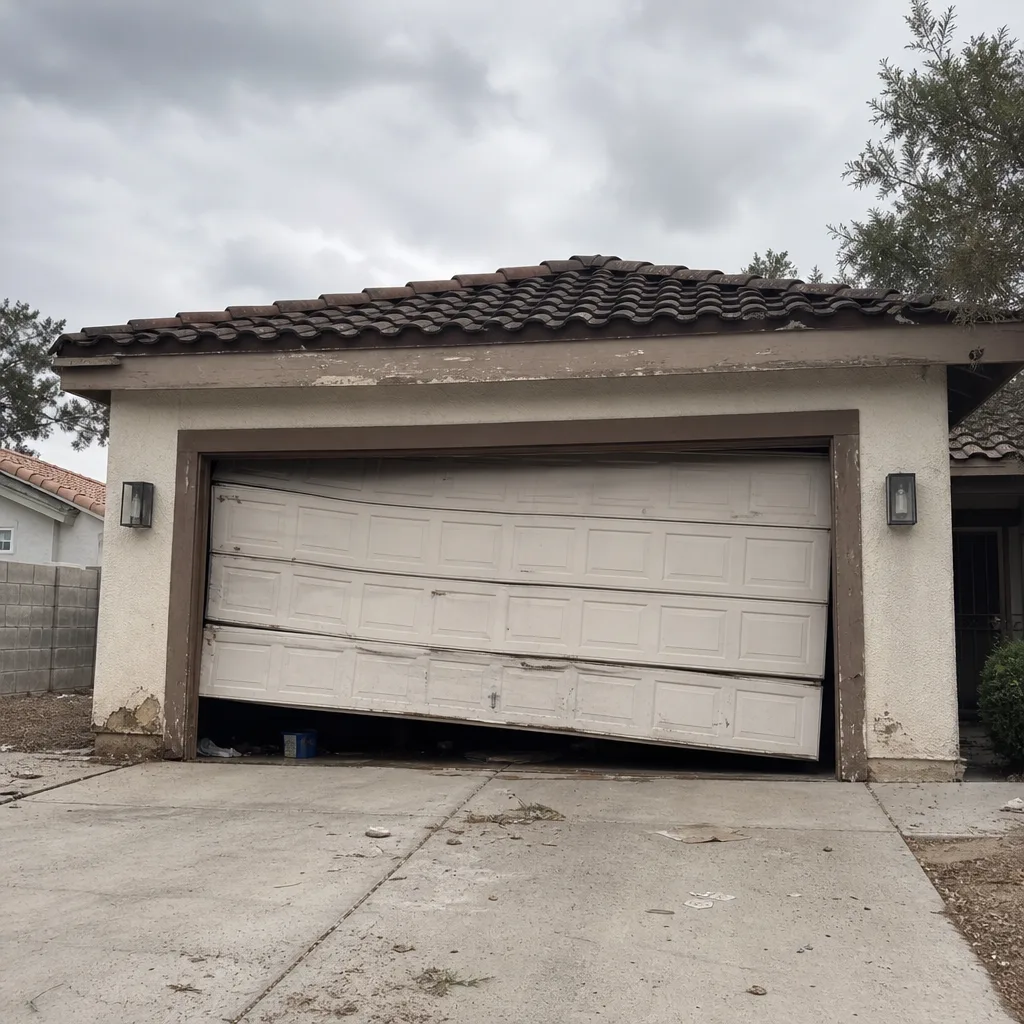 Before
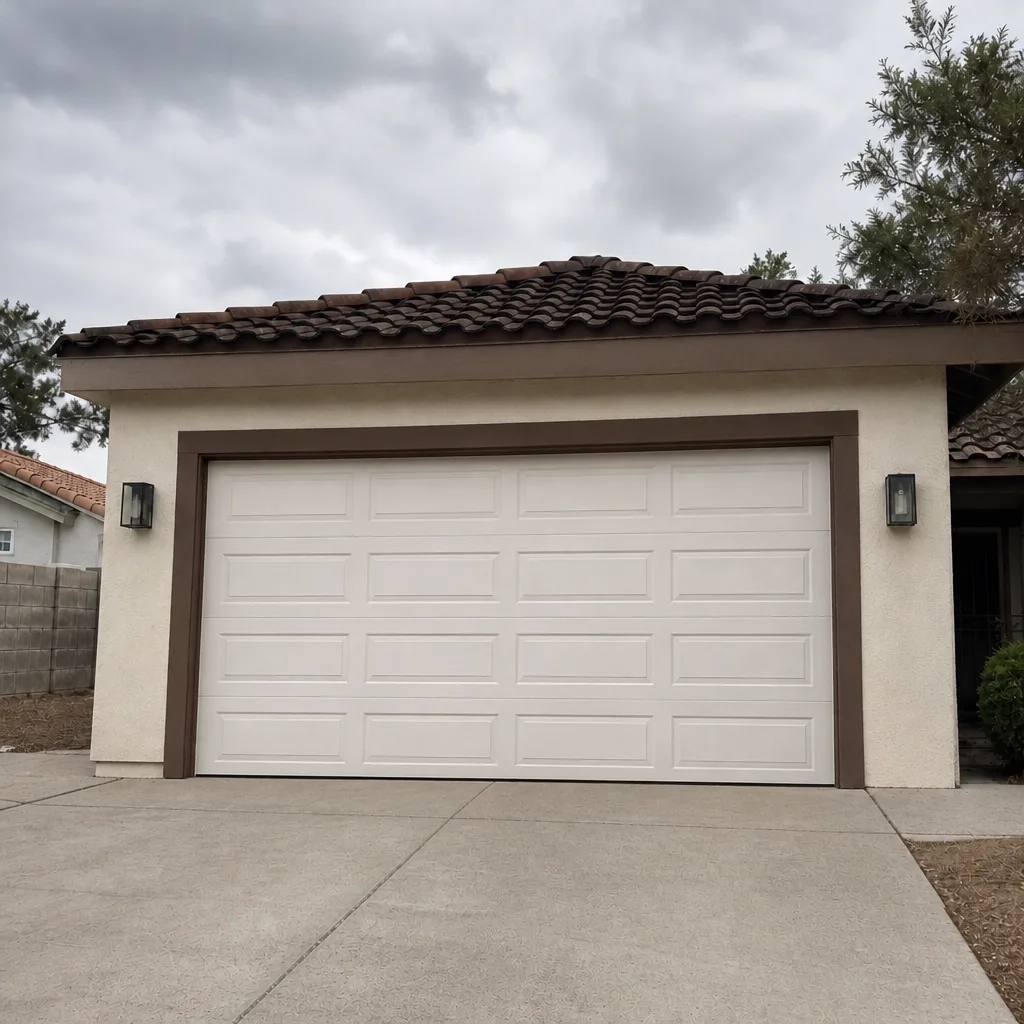 After
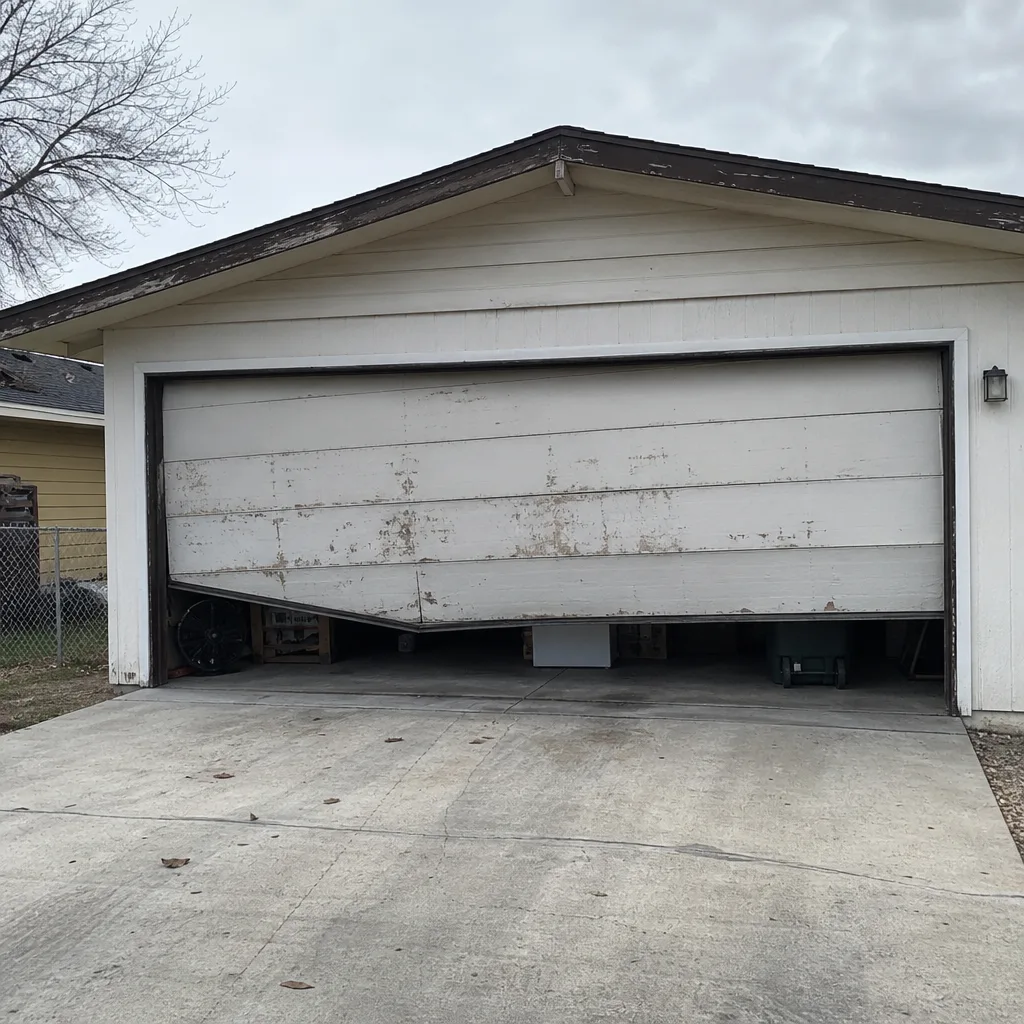 Before
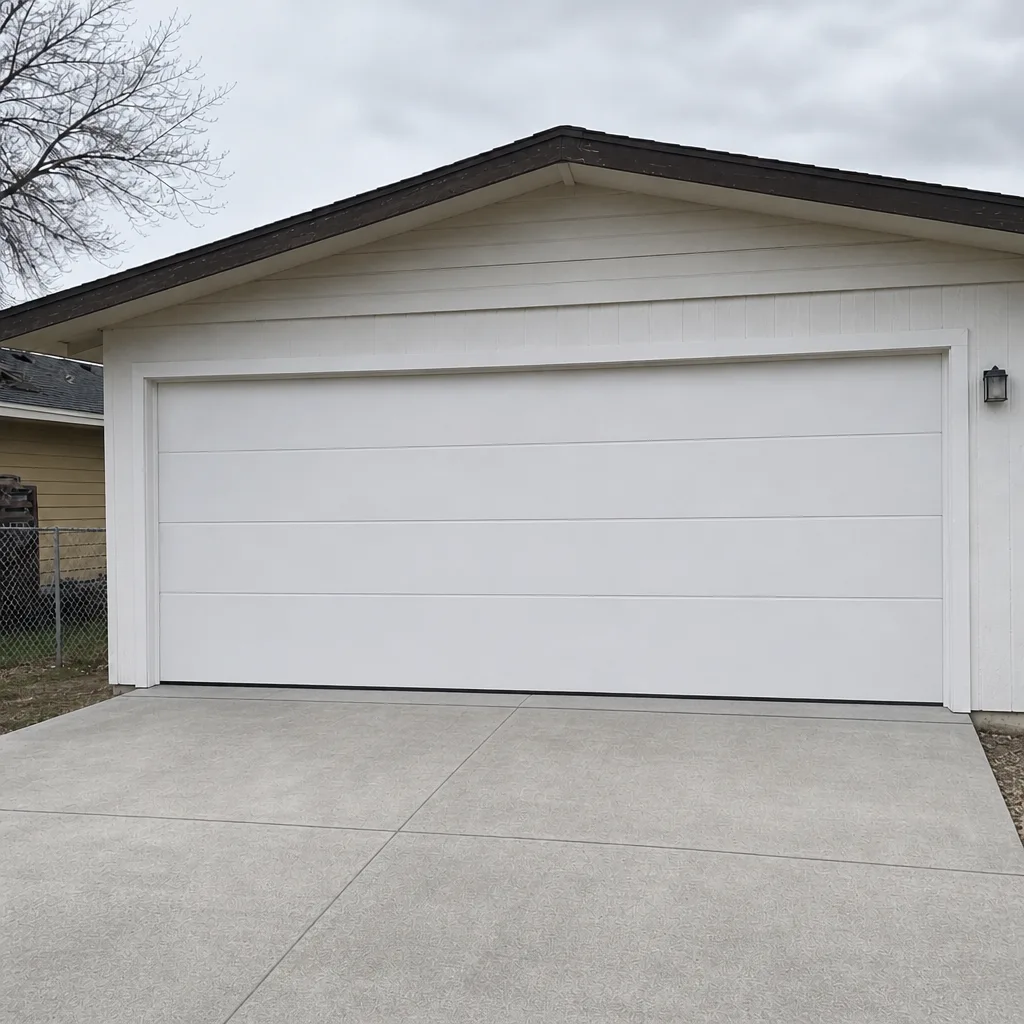 After
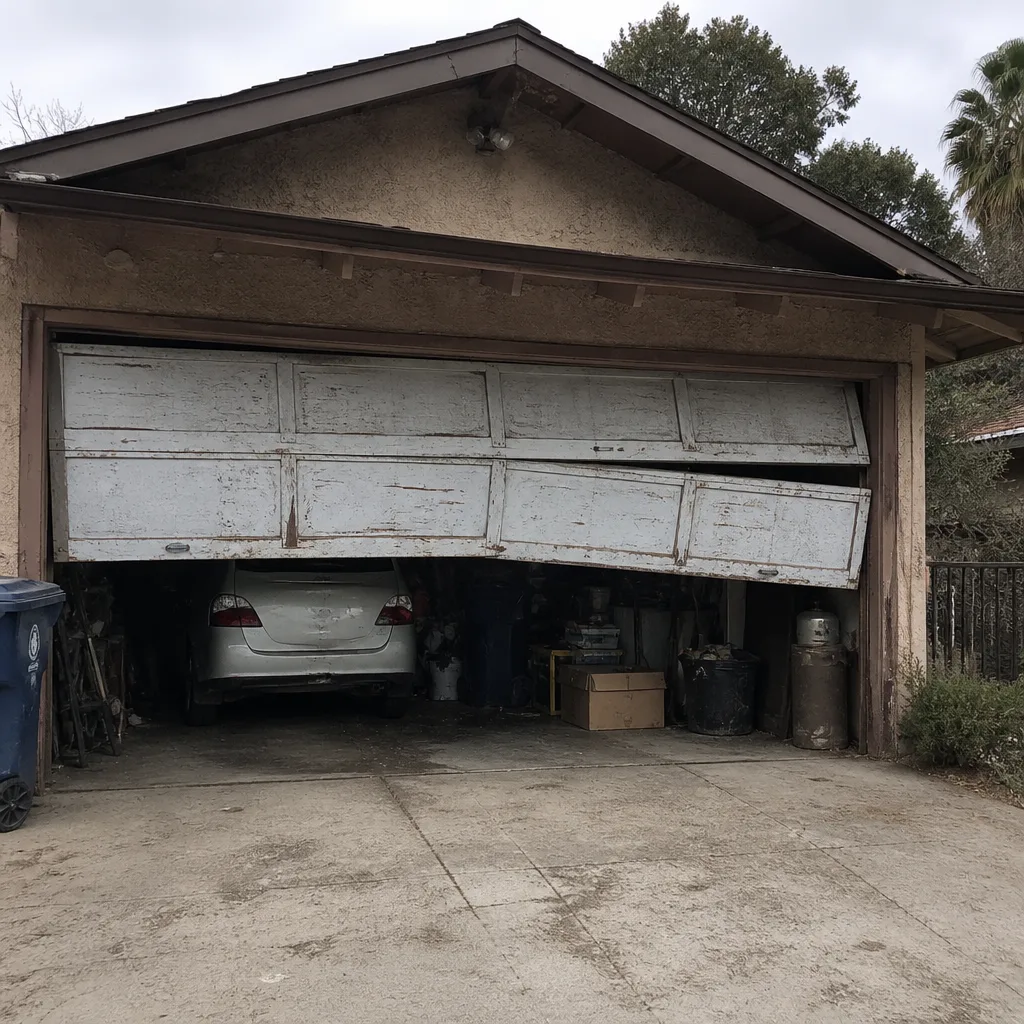 Before
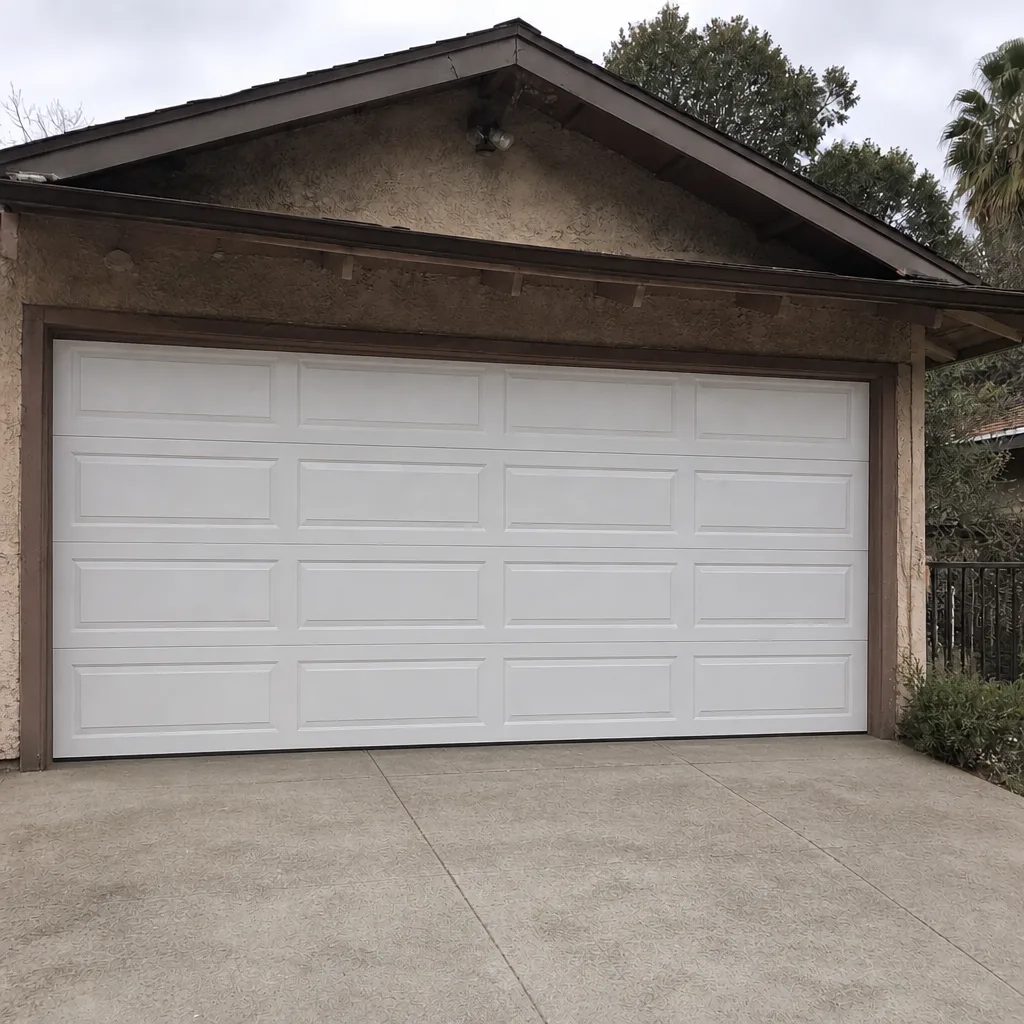 After