
Last updated November 18, 2026
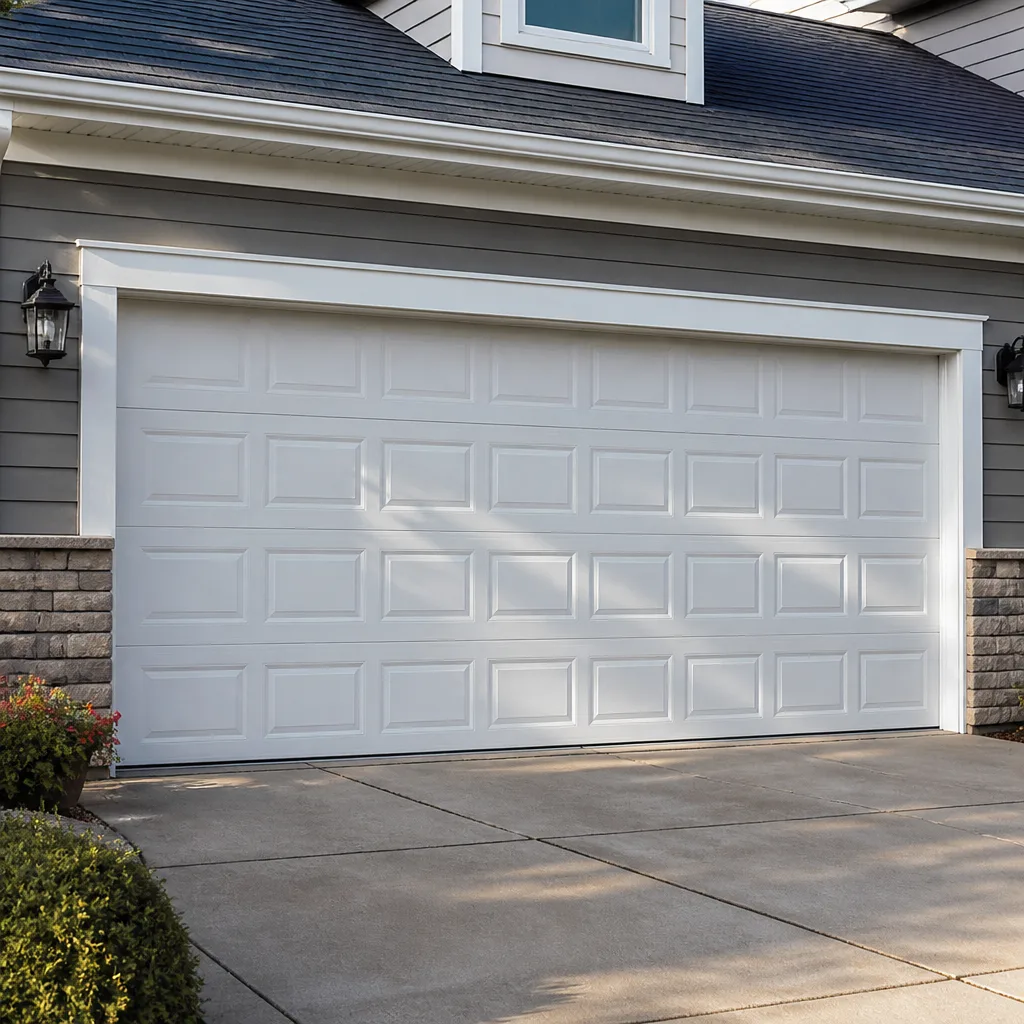 Raised-panel steel
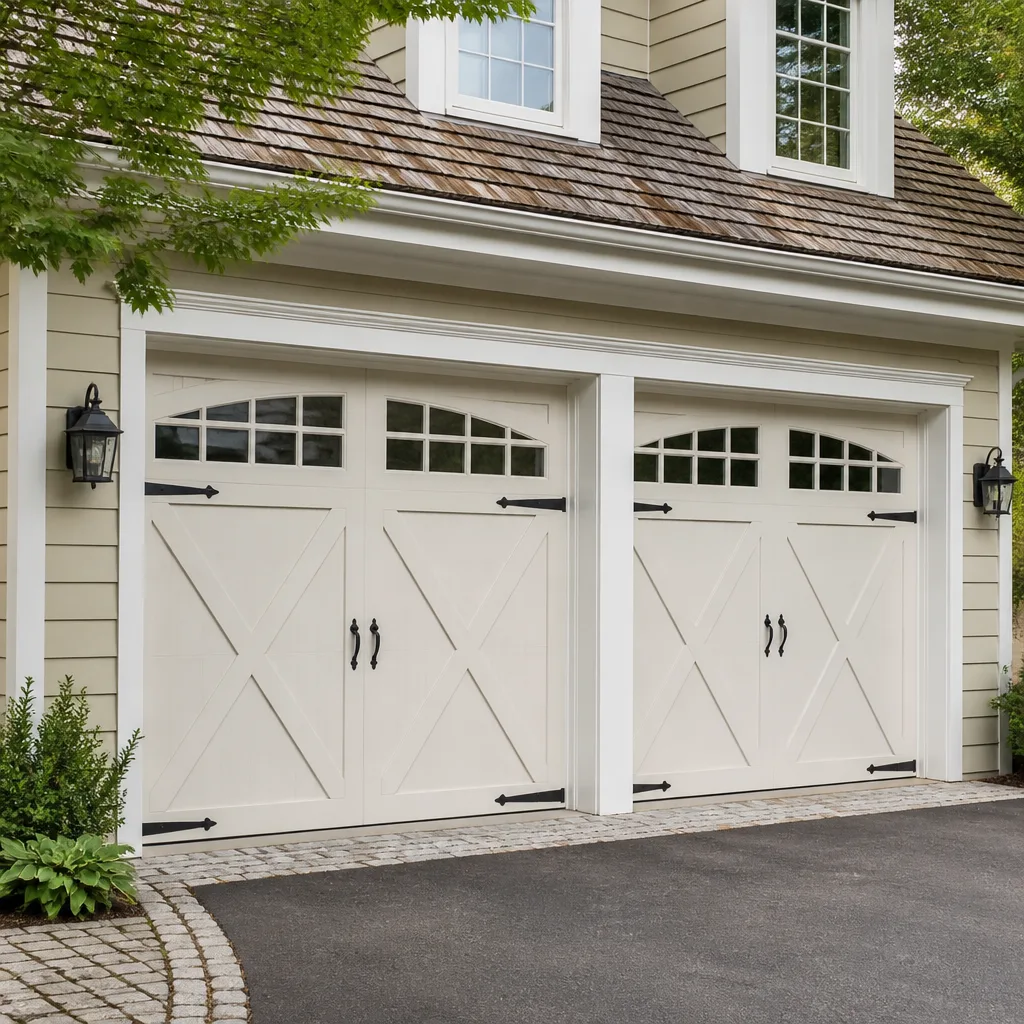 Carriage house
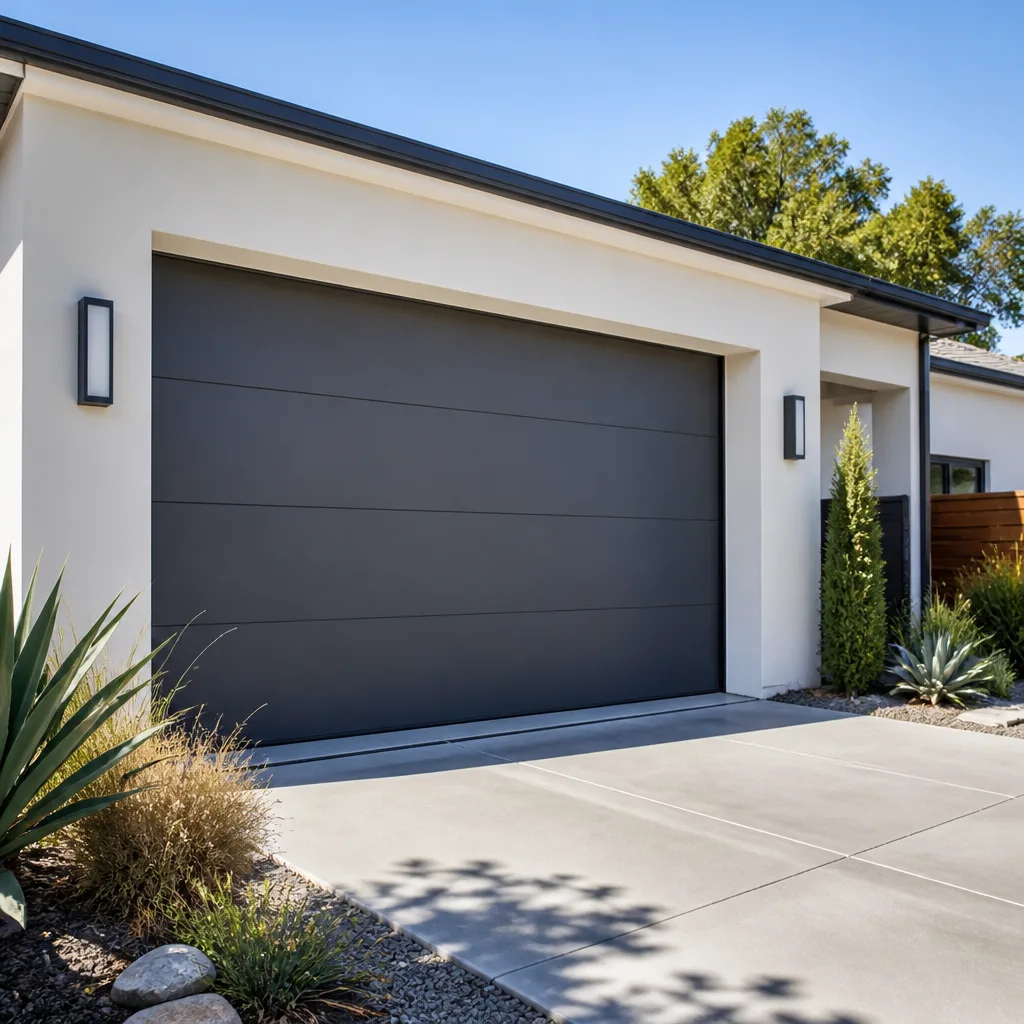 Modern flush
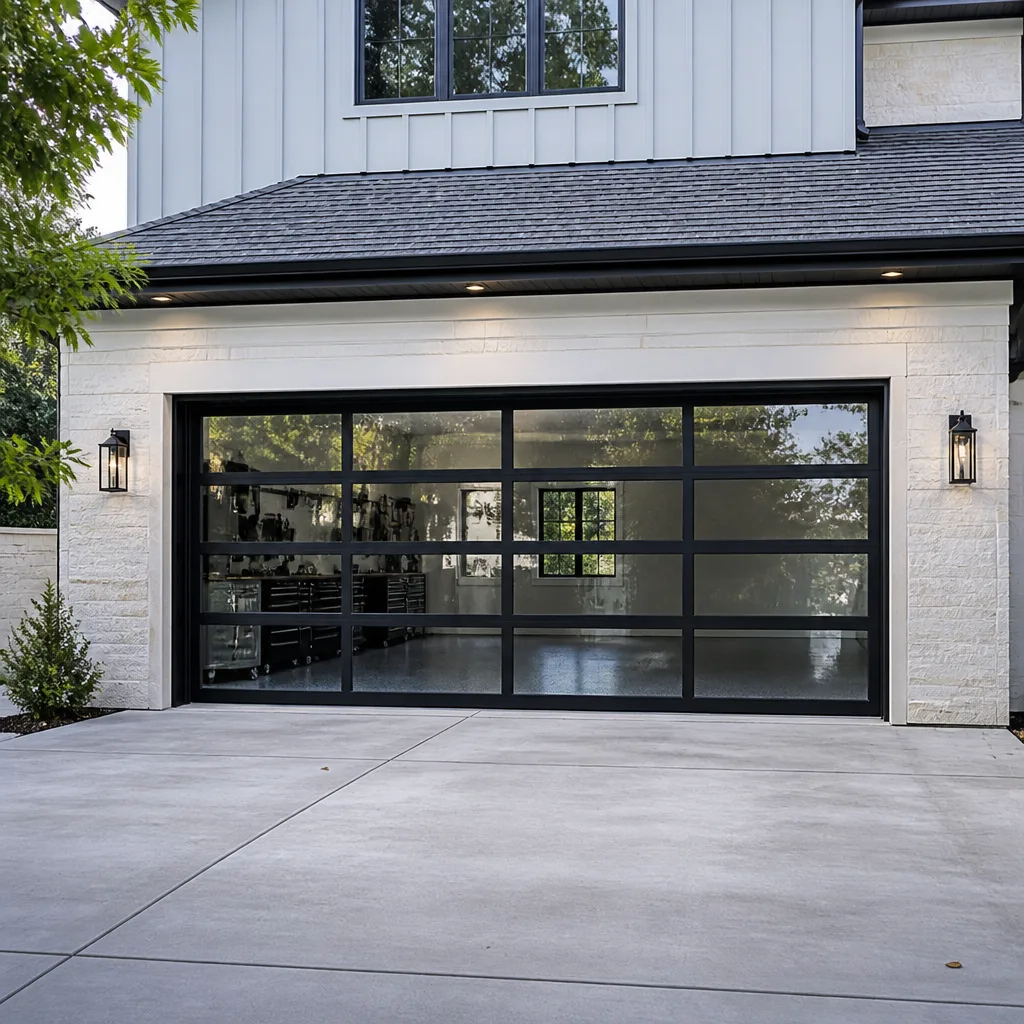 Full-view glass
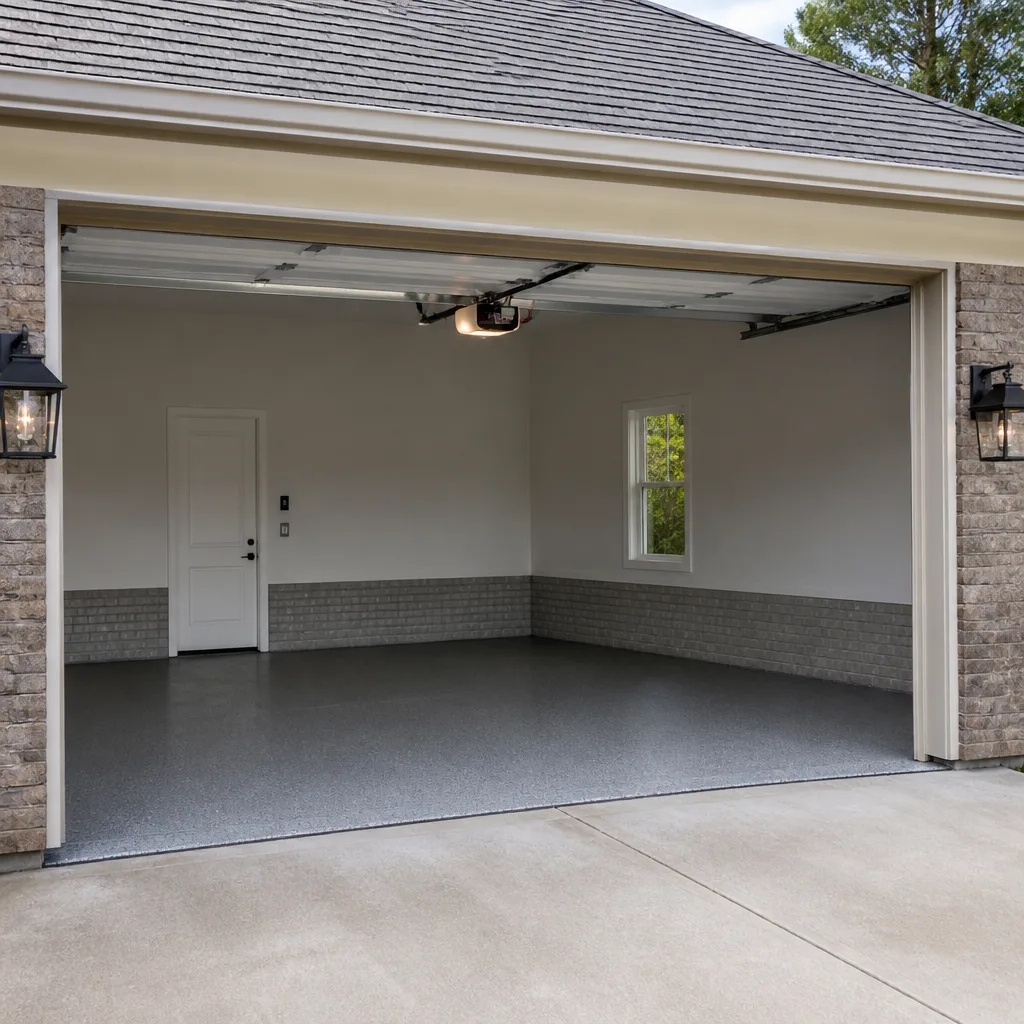 LiftMaster openers
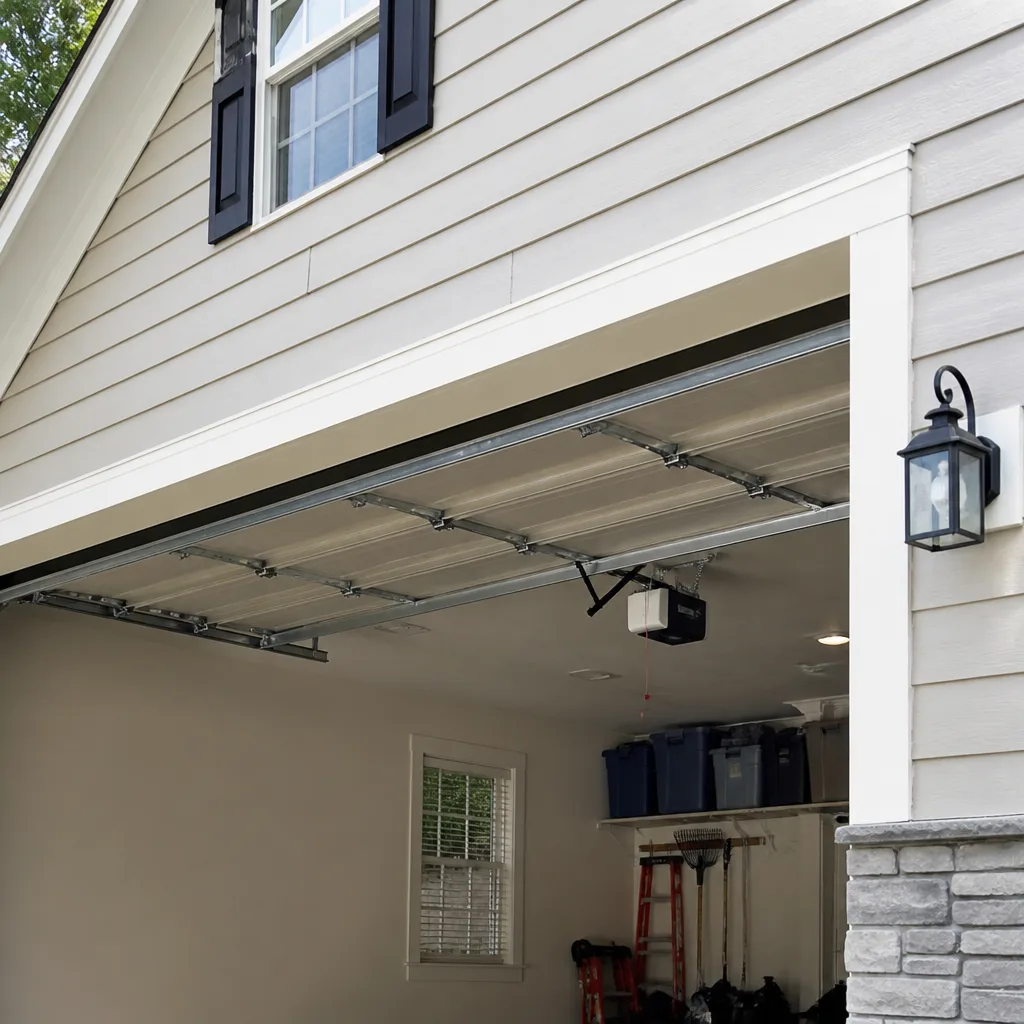 Chamberlain openers
Full 25-point door and opener safety check with every visit - springs, cables, rollers, tracks, and your LiftMaster or Chamberlain opener included
You get a price before we start. It does not change when the pro arrives.
Get your free estimateSeasonal Garage Door Care for Paradise: Year-Round Homeowner’s Guide
Most seasonal garage door guides are written for a place with four real seasons. They tell you to winterize in October and to check for spring frost damage in March. Follow that calendar in Paradise and you’ll be doing maintenance during the mild months and ignoring your door during the stretch that actually wears it out. Paradise doesn’t run on four equal seasons. It runs on a brutal summer, a short mild shoulder, and winter nights that drop fast enough to shock metal that spent July at 115°F. This guide structures your maintenance around those real phases: pre-summer prep, summer management, a post-summer reset, and winter-night readiness, plus a dust routine the generic guides never mention.
Quick Answer
In Paradise, garage door care follows three climate phases, not four seasons. Do your structural checks and lubrication in April before the heat ramp-up, limit yourself to monitoring and gentle testing during the June-to-September peak, and plan a full reset in October once temperatures fall. Winter nights stress hardware that a summer already fatigued, so address any stiffness, noise or slow travel before January rather than during a cold snap.
Styles & brands we work with
- Raised-panel steel
- Carriage house
- Modern flush
- Full-view glass
- LiftMaster openers
- Chamberlain openers
Table of Contents
- Why Paradise Needs Its Own Seasonal Calendar
- April: Pre-Summer Prep Before the Heat Arrives
- June to September: Managing Your Door at Peak Heat
- October: The Post-Summer Reset
- Winter Nights: Preparing for Paradise’s Cold Snaps
- The Valley Floor Dust Routine Nobody Tells You About
- Brand Notes: What Clopay, Amarr, Wayne Dalton and Craftsman Owners Should Watch
- When to Call a Professional
Why Paradise Needs Its Own Seasonal Calendar
A garage door is a mechanical system built from steel, aluminum, wood or composite panels, torsion or extension springs, hinges, rollers and a motorized opener. All of those materials expand and contract with temperature. In a Northeast climate the swing is moderate and the seasons are long, so hardware has time to adjust. In Paradise the swing is extreme and compressed. Panels and tracks take on serious heat for months, then a winter night can arrive fast and cold.
That pattern matters for three components in particular:
- Springs. Torsion and extension springs carry the full weight of the door. Heat and cold cycling works the metal. A spring that survived a mild season can still fail once a summer of thermal expansion is followed by a fast cold snap.
- Seals and weatherstripping. The rubber bottom seal and the perimeter weatherstripping dry out in sustained heat. Once they harden, they stop sealing, which lets in dust and lets conditioned air escape.
- Opener force settings. A motor that was tuned in comfortable weather can run against a door that’s moving differently in July or December. Auto-force settings are the opener’s way of compensating, and they need a periodic recheck.
The result is that a Paradise homeowner who follows the standard national schedule ends up prepping for winter in the wrong month. The real deadline is April. Everything that protects your door through triple-digit heat has to be done before the heat shows up.
April: Pre-Summer Prep Before the Heat Arrives
April is the last comfortable window in Paradise before temperatures climb. This is when you want to inspect, lubricate and adjust, because once summer is here, some of these tasks become risky or simply not worth doing in the heat.
Work through this list in order:
- Look and listen before you touch anything. Open and close the door from a few feet away. A door that’s balanced should move smoothly and stay put when you stop it partway. Grinding, squealing or a door that shudders are signals worth noting before the heat arrives.
- Lubricate rollers, hinges and tracks. A light garage-door lubricant on metal rollers, hinges and the pivot points reduces friction that heat makes worse. Never use grease on the tracks themselves; it attracts dust, and in Paradise you already have plenty.
- Check the bottom seal and perimeter weatherstripping. Run a hand along the bottom seal. If it’s cracked, hard or coming loose, the door isn’t sealing. Replacing a bottom seal is one of the least expensive preventive steps on the whole door.
- Balance-test the door. Disconnect the opener (most have a manual release pull) and lift the door halfway by hand. If it won’t hold, the springs aren’t doing their job. Don’t try to adjust the springs yourself; that’s the job for a trained technician.
- Clean the tracks. Wipe the inside of each track with a dry cloth. Check for dents or debris. A bent track will scrape the rollers all summer.
- Test the opener’s safety reverse. Put a piece of wood or a roll of tape in the door’s path and confirm the door reverses when it contacts it. Also test the photo-eye sensors at the bottom of the tracks by blocking them.
The thermal expansion point nobody mentions
Steel and aluminum panels expand measurably in high heat. That expansion is normal, but it puts pressure on fasteners, hinges and the track system. Before summer is the time to make sure all of those are snug, not after. Tighten a loose track bracket and check the bolts on the hinges; if the door grows a little in July, snug hardware handles the expansion better than loose hardware does.
June to September: Managing Your Door at Peak Heat
During the hottest months, the right move on a garage door in Paradise is monitoring, not adjusting. Heat is when the metal is at its most expanded and the springs are working against the door in conditions that make precise adjustment difficult.
Here’s what to do every month from June through September:
- Keep the door clear. Heat alone won’t damage a door, but a door that binds against a bent track or a swollen seal will. Clear the path, remove stored items leaning against the track, and check that nothing rests against the panel.
- Watch for slow travel. If the door takes noticeably longer to open or close, or the opener strains, note it. It might be friction from dry seals, a worn roller, or a force setting that needs attention. Don’t ignore it; note it and get it looked at.
- Listen for new sounds. Squeaks and pops that appeared with the heat are common. Small squeaks can wait for the October reset. A loud pop from the spring area is not a small issue; stop using the door and call a pro.
- Keep the photo-eyes clean. Dust on the sensors can cause the door to reverse unexpectedly, which is often mistaken for a motor problem.
- Don’t over-tighten springs. This is the most common summer mistake. Springs are under serious tension. Adjusting them in peak heat, or adjusting them yourself at all, is dangerous and unnecessary. A balanced door works fine in heat; if it’s not balanced, that’s a technician’s call.
What not to touch in summer
Leave the springs, cables and the opener’s force-adjustment dial alone during peak heat. The metal is expanded, the door’s travel changes with temperature, and any adjustment you make now will be wrong when temperatures drop in October. If you’re not sure whether something needs attention, ask. Our garage door repair team can look at it without making changes that cause problems later.
October: The Post-Summer Reset
Once temperatures fall, the door comes back to a normal operating range and adjustments actually hold. October is the month to undo the small problems that a full desert summer created and to recalibrate the door for the cooler months ahead.
Here’s the reset sequence:
- Recalibrate the auto-force settings. This is the specific check most homeowners skip. The opener measures the force it needs to move the door and adjusts automatically, but a door that changed during summer can leave the opener with settings that are too aggressive for cold weather. Follow your opener manual for the force test. If you can’t find the manual, a technician can run it with the opener’s diagnostic routine.
- Re-inspect the seals and weatherstripping. A summer of heat hardens rubber. Feel along the bottom seal and the perimeter again. Any seal that’s cracked or stiff should be replaced before the winter draft season.
- Lubricate again. One pass in April and one pass in October is the standard rhythm. Add a light garage-door lubricant to rollers, hinges and pivot points.
- Test the safety reverse again. The door’s balance and the opener’s force can both shift after summer. Re-run the contact test and the photo-eye test.
- Clean and inspect the tracks. Wipe out any summer dust. Check for bent sections. If the door swayed more than usual in a windstorm, the tracks may need a close look.
- Look at the panels. Clopay, Amarr and Wayne Dalton panels are built to handle heat, but a crack or chip that started as cosmetic can spread as the panels expand again. Small cosmetic damage can often wait; a structural crack can’t.
Why recalibrating in October matters more than you’d think
The opener’s force setting isn’t a permanent number. It’s a ceiling. Once the door gets a little heavier in cold weather because seals are stiffer and metal has contracted, the opener needs to still be able to move it, but not so forcefully that the safety reverse stops working. Running the force test in October catches doors that are moving heavier than the opener thinks.
Winter Nights: Preparing for Paradise’s Cold Snaps
Paradise winters aren’t a long, deep freeze. But the nights drop fast. That contrast is the problem. Hardware that spent July at 115°F can go stiff in a single cold night in December or January, and that stiffening is what shows you the summer’s damage.
The winter-night prep work should be finished before January. Do it in the same October-to-December window as the post-summer reset. Here’s what to focus on:
- Balance and spring tension. If the door felt heavier in October than in June, springs may have weakened. Balance-test again as nights get colder. A door that struggles or stops mid-travel needs a professional look before the first real cold snap.
- Fasteners and track alignment. Contracting metal can make borderline-loose fasteners rattle. Check the track brackets, hinge bolts and panel fasteners one more time. A little play is normal; a bolt you can turn by hand is not.
- Weatherstripping and bottom seal. Cold air is harder to keep out, so this is the season when a compromised seal matters most. If the seal is stiff from the summer, it won’t seal now. Replace it before winter instead of in the middle of it.
- Opener travel and force check. Run the door through a full opening and closing cycle and watch it. If it slows near the top or bottom, the opener or the springs need attention.
- Remote batteries. Not door-related, but a real winter frustration. Replace the batteries in remotes and the keyless entry before the cold makes any door trouble easier to blame on the remote.
What to do on an actual cold night
If the door is stiff, slow or making a new noise when temperatures drop, don’t force it. Forcing a cold door strains the opener and can add to a spring problem. Call it in. A trained technician can assess whether it’s a simple adjustment or a part that needs replacing.
The Valley Floor Dust Routine Nobody Tells You About
Dust is a fact of life in Paradise, and it’s the maintenance item every national seasonal guide leaves out. Dust works into the moving parts of a garage door year-round, and it never takes a season off.
What dust does to a door:
- Rollers. Dust collects on metal rollers and turns into a grinding paste that wears the roller and the track together.
- Photo-eye sensors. Dust on the lenses is the single most common cause of phantom door reversals.
- Track surfaces. Dust on the tracks makes every cycle a little harder. It’s worse if you’ve ever used grease on the track; the grease traps the dust.
- Bottom seal. Dust gets pushed into the bottom seal every close, and it turns brittle more quickly when it’s dirty.
- Opener vents. Dust builds on the motor housing and vents, which makes the opener run hotter during the summer months.
The routine that keeps up with it: wipe the tracks and rollers with a dry cloth once a month year-round, blow dust off the sensor lenses with a can of compressed air, and wipe down the bottom seal. During the dusty stretch (which in Paradise can mean most of the year), do the sensor check more often, maybe every couple of weeks. It’s a two-minute job that stops the most common cause of unexpected reversals.
Brand Notes: What Clopay, Amarr, Wayne Dalton and Craftsman Owners Should Watch
Not every seasonal checklist applies equally to every door. Here’s what we watch for on the brands people most commonly have on their wall.
- Clopay. Steel panels on Clopay doors handle heat well, but the hinges and rollers still benefit from the April and October lubrication rhythm. Panel dents from accidental bumps can trap dust; check for them after a summer of yard work.
- Amarr. Amarr’s Insulated doors have a solid core, which helps with heat gain into the garage bay. The check that matters most is the bottom seal and perimeter; a gap is where the summer heat wins.
- Wayne Dalton. Wayne Dalton’s TorqueMaster-style systems use a different spring configuration on some doors. On those, the balance test is still the same, but adjustments belong to a trained tech. The winter-night check is important on these because the internal torque system is sensitive to temperature swings.
- Craftsman. Craftsman openers are common on older doors. The force and travel settings on these are usually accessible with a small adjustment screw; the manual tells you which. Recheck in October instead of summer, and follow the manual exactly.
We work across the full spectrum of door and opener brands, including LiftMaster, Chamberlain, Genie, Clopay, Amarr, Wayne Dalton, Craftsman and Raynor. So if your door isn’t on this short list, we can still help. And if the fix turns out to be an opener issue rather than the door, that’s a job we handle too. Our garage door opener repair team works on the full range of drive types and smart-home-compatible systems, so you don’t get sent to a second company for the motor.
Common Mistakes to Avoid
- Following a Northeast winter-prep calendar. In Paradise, the month that matters most is April, not October. Standard guides have you prepping for winter during the heat ramp-up, which is when thermal expansion does the real damage.
- Adjusting or tightening springs in summer. Springs are under tension and the door is at peak thermal expansion. Any adjustment made in the July heat will be wrong by October and can put you in danger.
- Greasing the tracks. Grease on the tracks is one of the fastest ways to collect the valley floor dust and turn it into a grinding paste. The tracks should be wiped, not greased.
- Skipping the auto-force reset. The single most overlooked step in a Paradise seasonal checklist is recalibrating the opener’s force settings in October. Without it, an opener can strain through winter or lose the safety reverse.
- Ignoring a stiff door in December. A cold snap in Paradise tells you what the summer did. Treating a stiff door as a minor annoyance means running the opener against a problem that gets worse.
- Forgetting the dust. A dust routine is a year-round job in Paradise, not a seasonal one. The photo-eye sensors are the most common casualty of skipping it.
- Assuming a new opener will fix a door problem. Many “opener problems” are door problems. A door that’s out of balance or has a stiff seal isn’t fixed by a new motor. Get the door checked first.
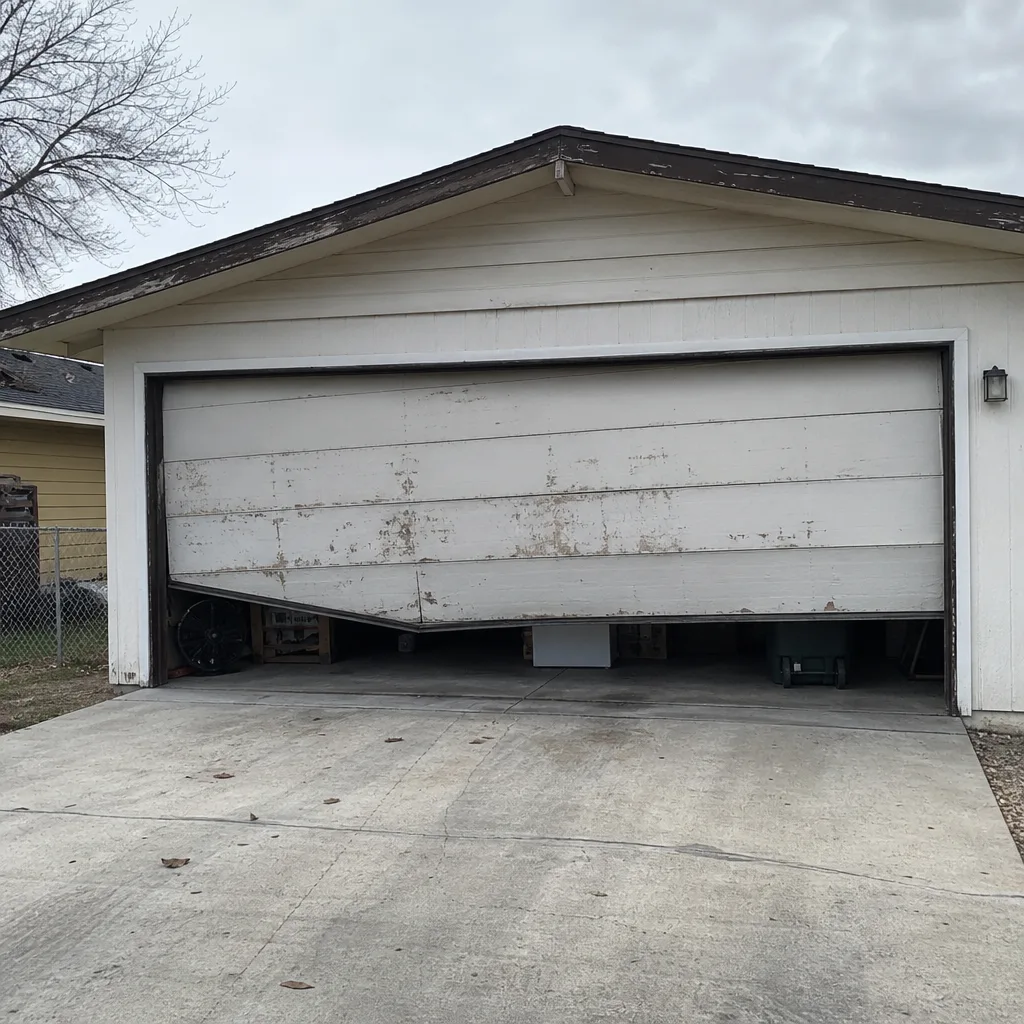
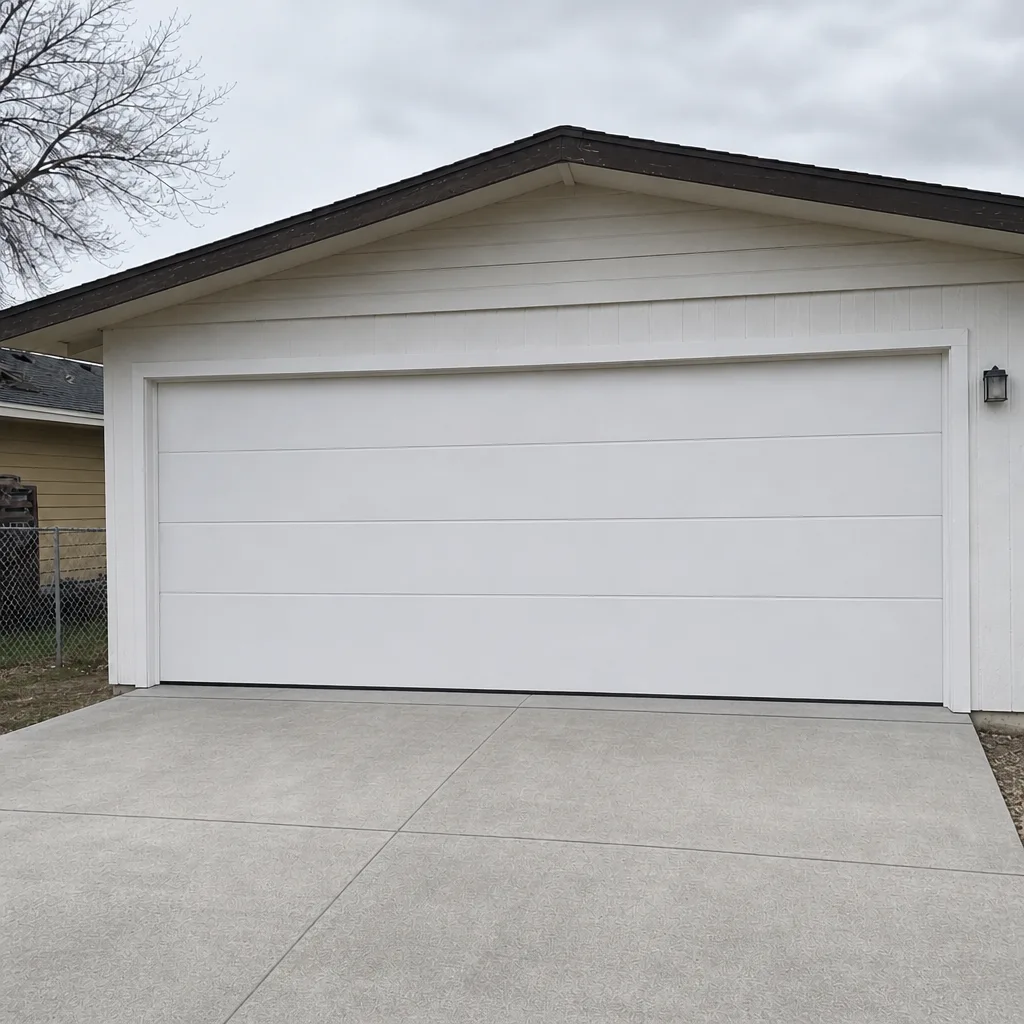
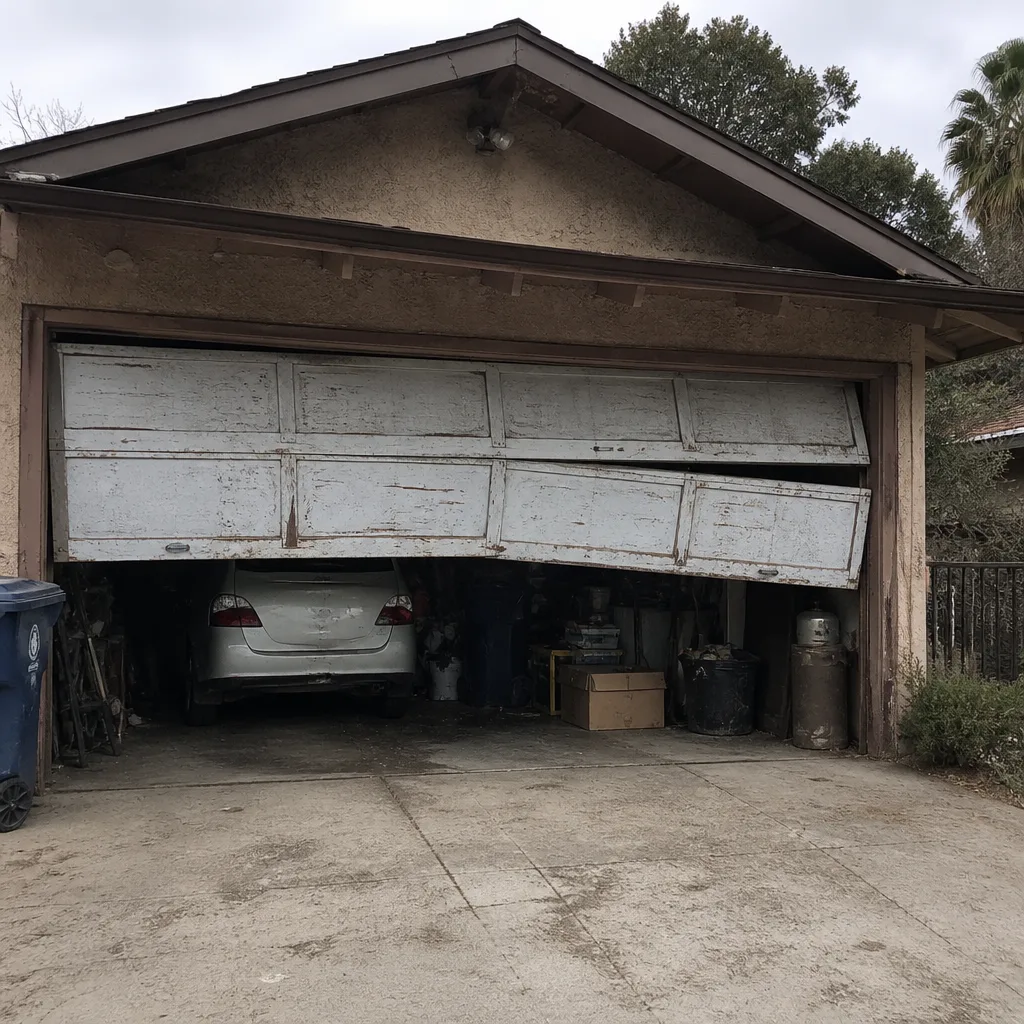
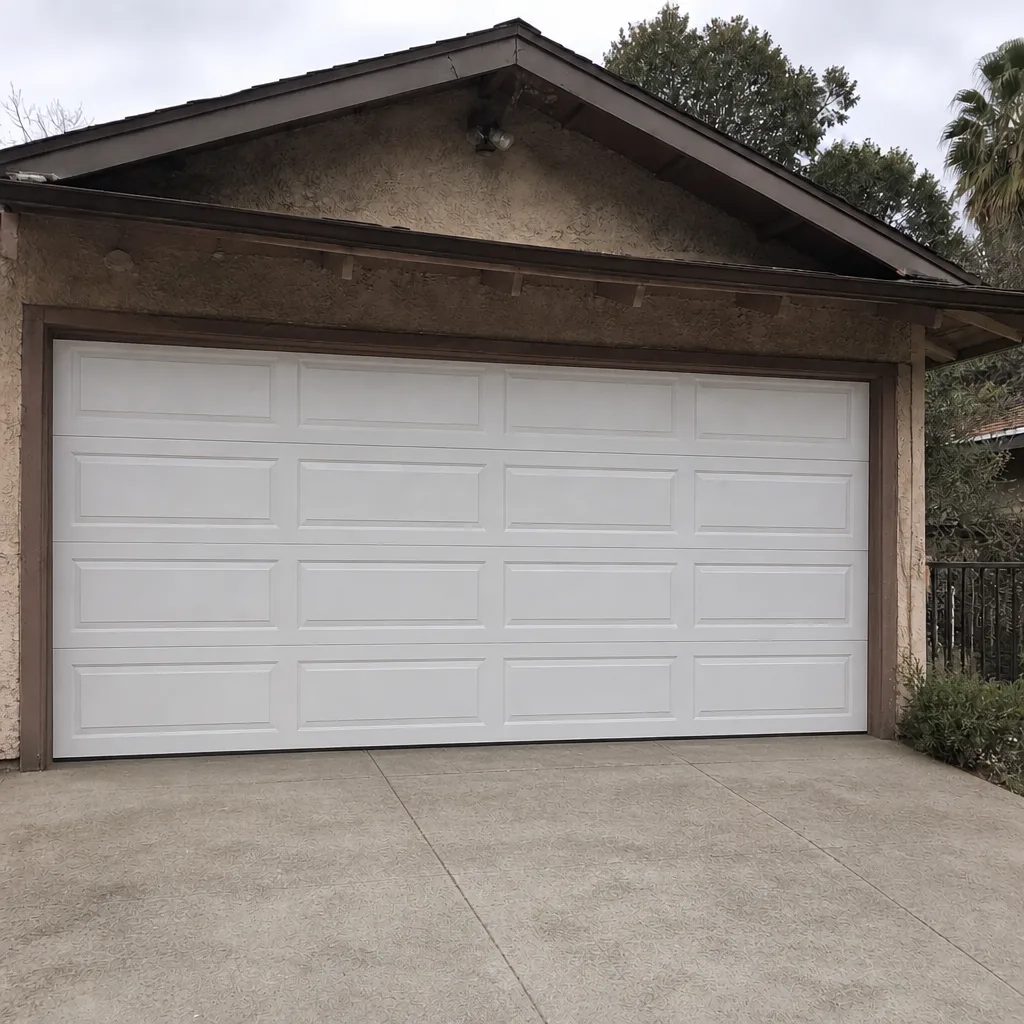
See the difference
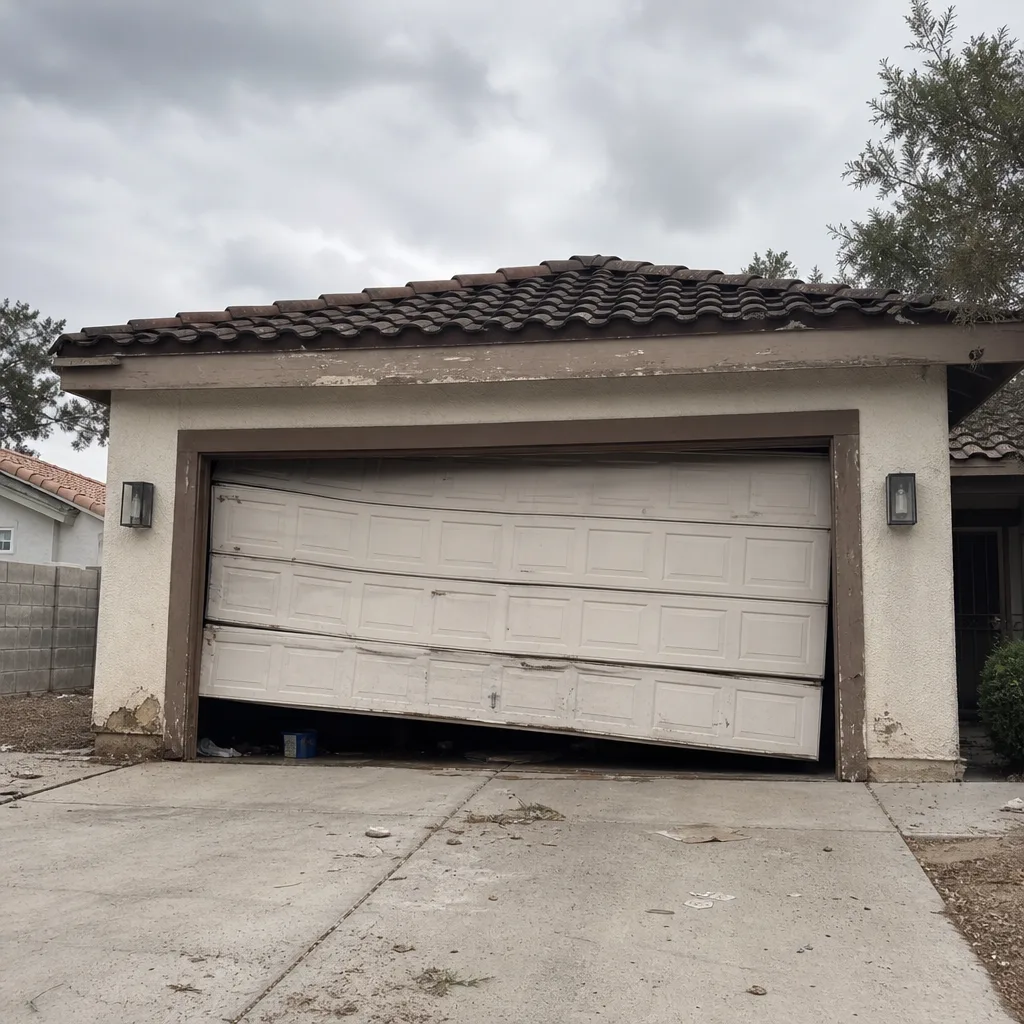 Before
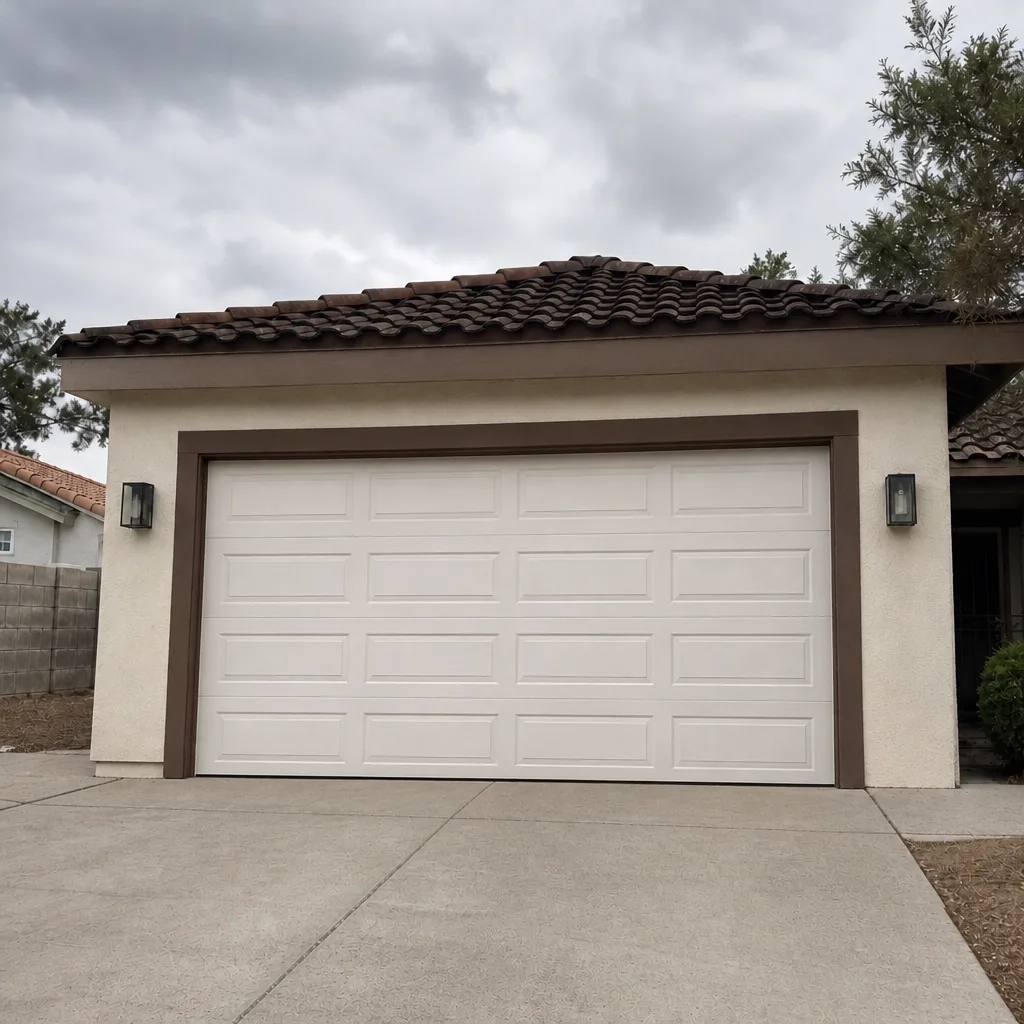 After
 Before
 After
 Before
 After
When to Call a Professional
Some tasks on this list are safe for a homeowner. Some aren’t. Lubrication, cleaning the tracks and sensors, replacing batteries, and the balance test are all within reach. Anything involving the springs, cables, opener force adjustments, or a door that won’t move correctly is a technician’s job, and it’s a genuine safety issue, not just a rule of thumb. Springs and cables are under extreme tension; a mistake can cause serious injury. Call a pro if the door slams, stays partway open, has a spring that’s visibly broken, or won’t reverse on contact.
Garage Door Paradise offers free estimates in Paradise and the surrounding area. Our technicians have up to 11 years of experience across every major door and opener brand. Whether you need a spring checked before summer, an opener recalibrated after a full desert summer, or a full new door considered, one call covers it: repair, opener repair and installation. Call (855) 914-8765. We answer 24/7. Fast dispatch from 7am to 7pm, Sunday through Friday. Every price is quoted and agreed before any work starts.
Frequently Asked Questions
The best time is April, before the heat ramp-up. That’s when lubrication, fastener checks, seal inspection and the balance test matter most. Do a second pass in October, once temperatures fall, to reset the auto-force settings and re-inspect the seals for anything a full summer wore out. If you can only do one, April protects your door through the hardest stretch of the year.
Twice a year: once before summer and once in October after the heat breaks. The October check is the more important one, because it’s the last adjustment that will hold before winter nights. The force setting is what keeps the door moving in cold weather without disabling the safety reverse. If you’re not sure how to run the test on your opener, call (855) 914-8765 and we’ll walk you through it or come check it.
Heat doesn’t snap a spring the way a visible break makes it look. What sustained heat and repeated temperature cycling do is fatigue the metal. Springs that spent the summer expanding and contracting can fail in fall or early winter when the cold arrives. Springs are under extreme tension and should only be handled by a trained technician. Never attempt to adjust or replace one yourself.
Yes, and this is the maintenance item most seasonal guides miss. Dust gets into the rollers, tracks, bottom seal and opener vents year-round, and it’s a problem in every season. Wipe the tracks and rollers monthly with a dry cloth and blow dust off the photo-eye sensors every couple of weeks. It takes minutes and stops the most common cause of unexpected door reversals.
It can be mild, but you shouldn’t ignore a door that feels substantially heavier or struggles to open in cold weather. In Paradise, a door that gets noticeably stiff in winter is often showing summer fatigue in the springs or a hardened bottom seal. Get it checked before the next cold snap. Our Garage Door Paradise team can run a proper balance test and let you know whether it’s an adjustment or a part that needs replacing.
Repair usually makes sense when the door is structurally sound and the issue is isolated: a stiff seal, worn rollers, an opener that needs recalibration. Replacement makes more sense when panels are cracked, the door is out of balance in a way that keeps coming back, or the seals, hardware and opener are all aging together. We look at the whole door and give you an honest read rather than defaulting to replacement. If replacement is the right call, our installation service handles the full range of door brands, including Clopay, Amarr and Wayne Dalton, so the fit is right for your opening.
The Bottom Line
Paradise doesn’t get four equal seasons, and your maintenance shouldn’t pretend it does. Protect the door in April, monitor it through the summer and leave the springs alone, reset the opener and seals in October, and get any winter stiffness checked before it becomes a broken spring. Add a monthly dust wipe for the tracks and sensors, and you’ve covered the items that actually wear out a garage door on the valley floor. If you’d rather hand any of it to a professional, one call covers it. Call (855) 914-8765 for a free estimate in Paradise. We answer 24/7. Fast dispatch from 7am to 7pm, Sunday through Friday. Browse more about our Paradise service area, or reach out for a written quote before any work begins.
Written by the team at Garage Door Paradise.