
Last updated November 18, 2026
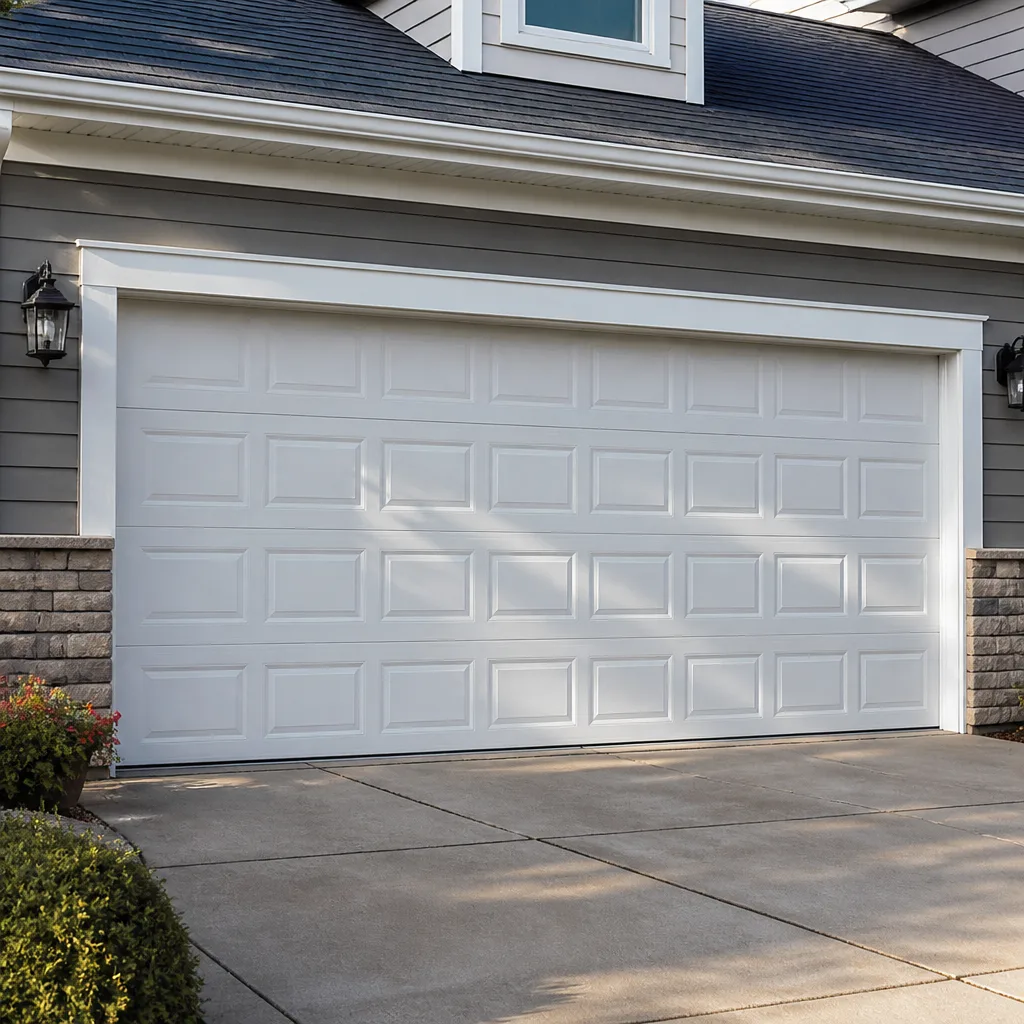 Raised-panel steel
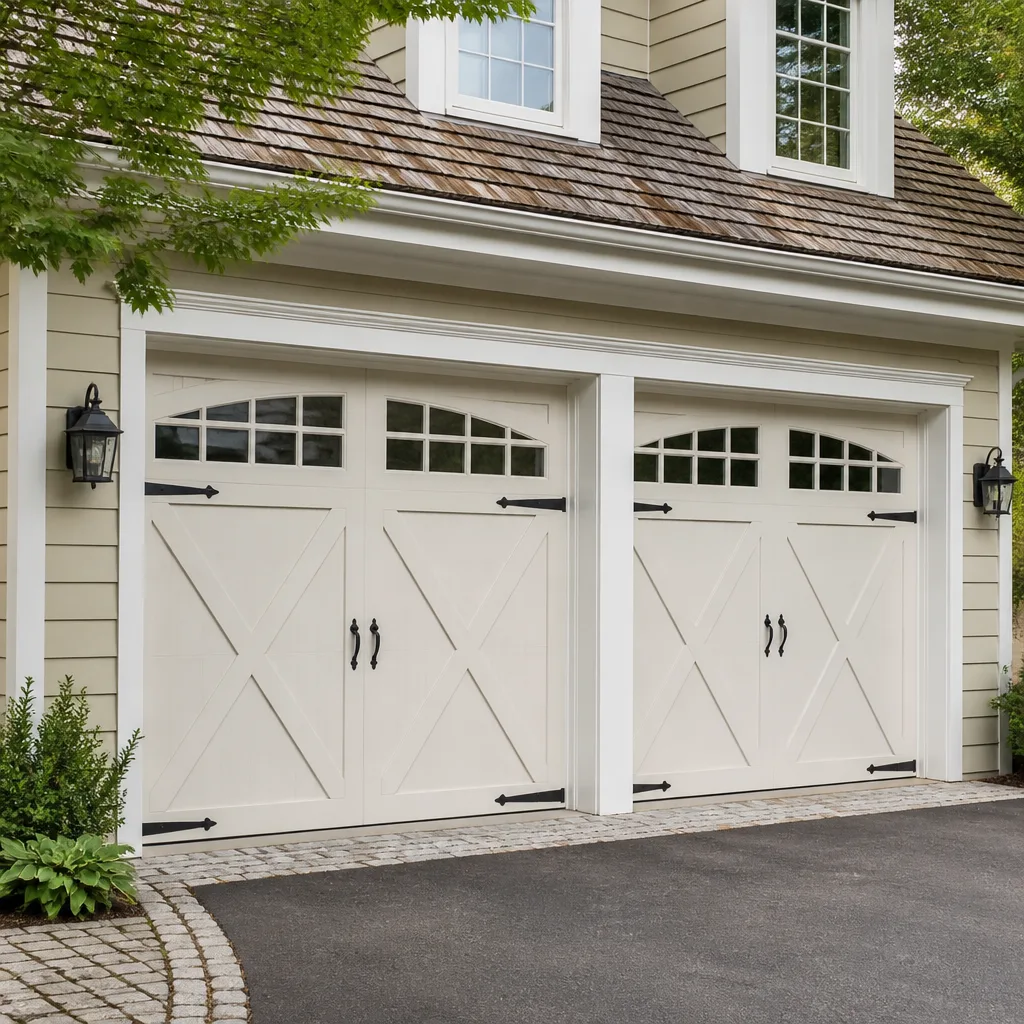 Carriage house
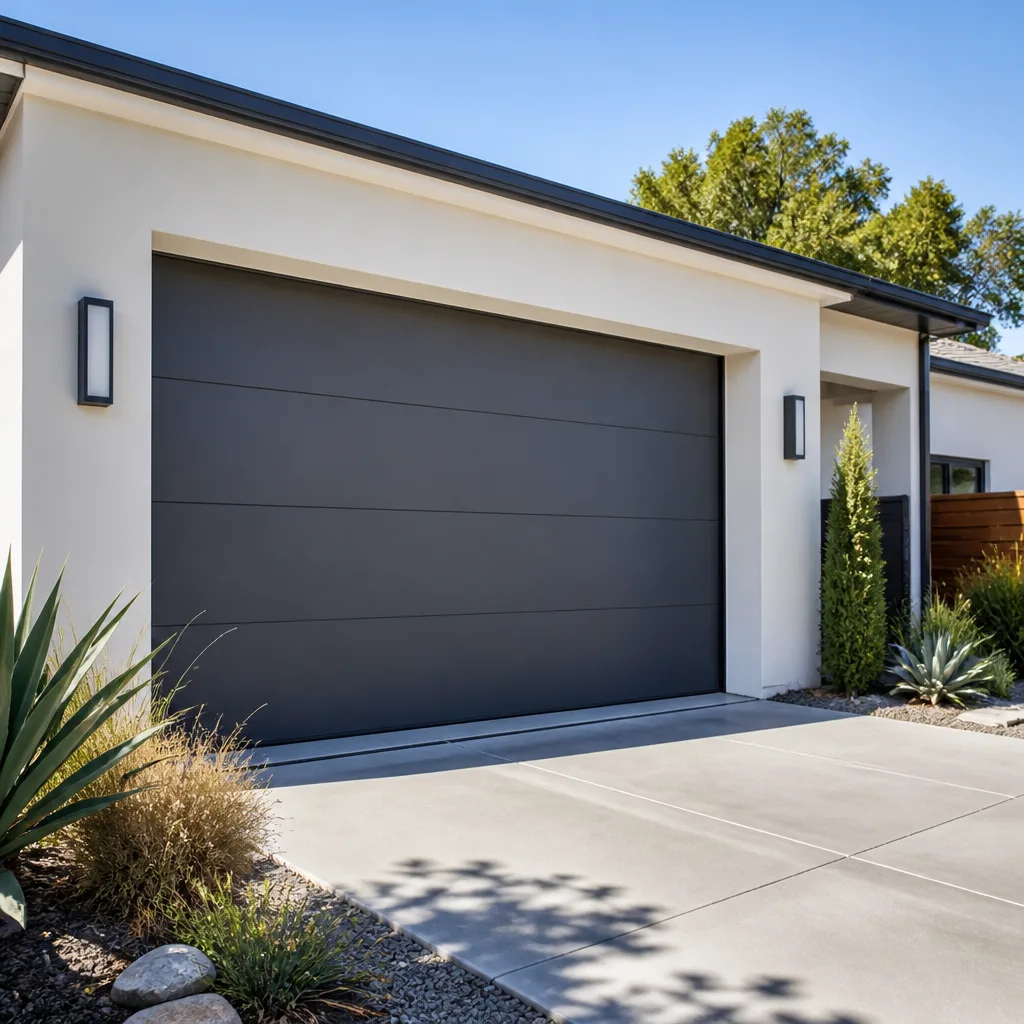 Modern flush
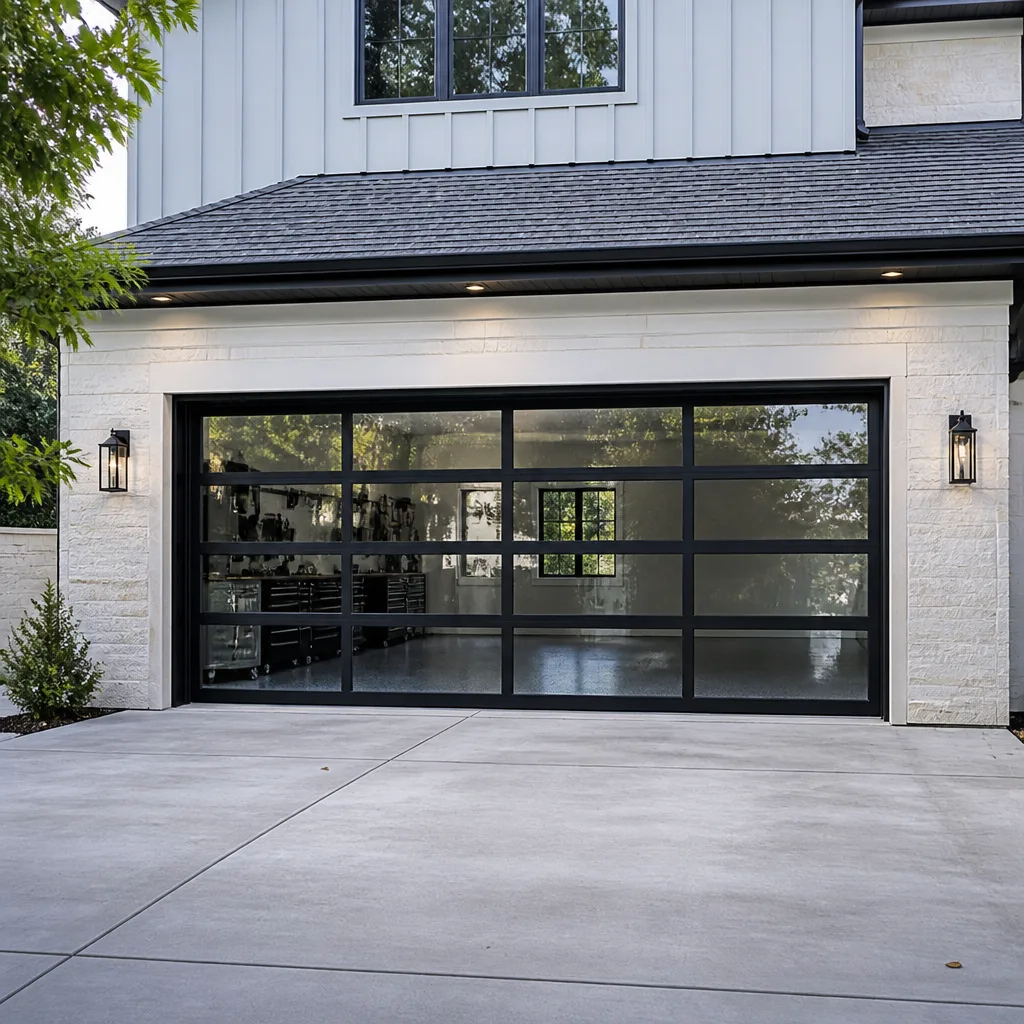 Full-view glass
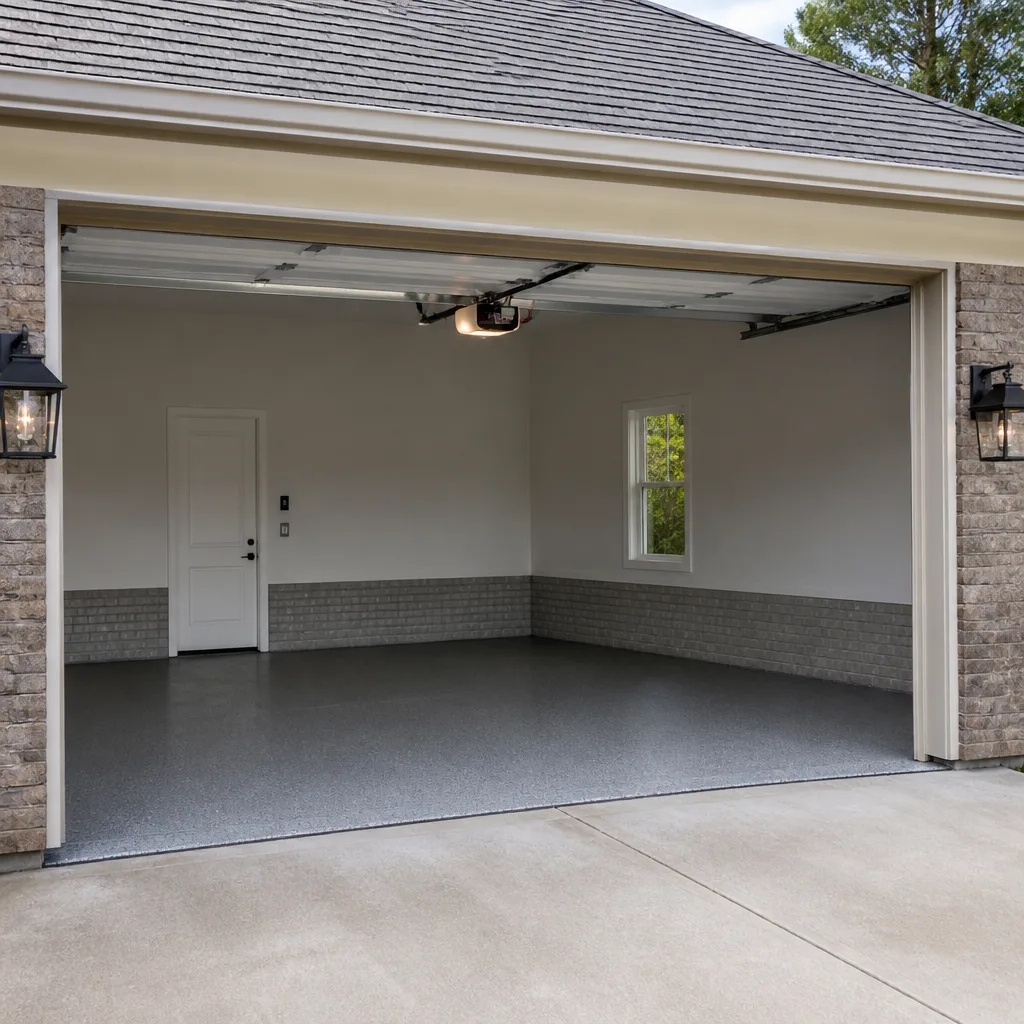 LiftMaster openers
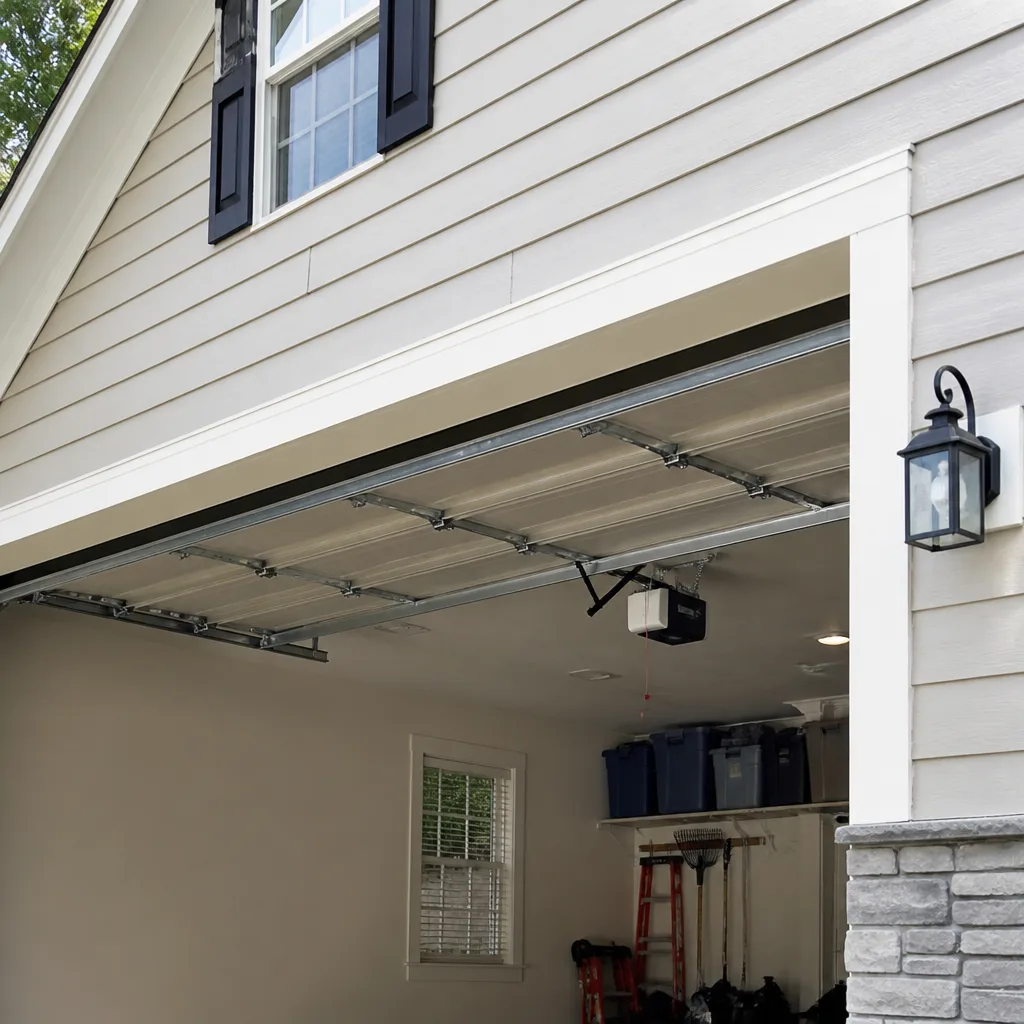 Chamberlain openers
Full 25-point door and opener safety check with every visit - springs, cables, rollers, tracks, and your LiftMaster or Chamberlain opener included
You get a price before we start. It does not change when the pro arrives.
Get your free estimateGarage Door Repair Maintenance Checklist for Paradise Homeowners
The number-one reason garage doors fail early in Paradise isn’t neglect. It’s doing the wrong maintenance on the right schedule. Homeowners here often lubricate their tracks with a general-purpose spray in the middle of summer, and that product turns sticky, traps fine desert dust, and makes friction worse instead of better. Then the door starts dragging and people assume the opener is dying. This guide is built around the failure points we actually see in Paradise garages. You’ll learn which lubricants survive 110°F-plus heat, how often to clean sensors in dust-storm season, and how to read spring and weather-seal health against a 60°F-plus seasonal swing.
Quick Answer
A good garage door maintenance checklist for Paradise centers on heat and dust: lubricate moving parts with a high-temperature silicone or lithium spray that won’t gum up above 110°F, clean photo-eye sensors monthly during dust season, and check spring tension and bottom-seal contact every season as temperatures swing. Most doors need a full owner-led inspection quarterly and a professional tune-up annually, with weather-seal checks before summer.
Styles & brands we work with
- Raised-panel steel
- Carriage house
- Modern flush
- Full-view glass
- LiftMaster openers
- Chamberlain openers
Table of Contents
- Why Desert-Climate Maintenance Looks Different
- The Right Lubricants for 110°F-Plus Heat
- Sensor Cleaning for Paradise Dust Season
- Spring Tension Checks and Seasonal Temperature Swings
- Thermal Expansion and Weather-Seal Contact
- The Paradise Month-by-Month Maintenance Calendar
- Hardware, Rollers, and Opener Checks
- What Changes With Different Brands
- Common Mistakes to Avoid
- When to Call a Professional
- Frequently Asked Questions
Why Desert-Climate Maintenance Looks Different
Most maintenance advice printed on a garage door owner’s manual is written for a temperate climate with four gentle seasons and moderate humidity. Paradise doesn’t work that way. The combination of long stretches above 110°F in summer, sharp overnight cooldowns, driving dust storms, and a seasonal swing that regularly covers 60°F or more stress every component of your door in ways a moderate-climate checklist never addresses.
Heat does three specific things to a garage door. It softens lubricant, so the wrong product migrates out of the joints or turns gummy. It expands metal and wood at different rates, so panel gaps and seal contact shift between morning and late afternoon. And it weakens spring memory faster than in cooler climates, which is why springs in Paradise tend to sag or snap in the summer-to-fall transition rather than in the dead of winter. Dust adds a fourth layer: fine airborne grit settles on the photo-eye lenses, in the track channels, and inside the opener housing, where it acts like mild sandpaper.
That means a maintenance routine calibrated to Paradise isn’t just a list of tasks. It’s a list of tasks on a specific timing. The same job done in a cool month can be nearly useless if it’s repeated at the wrong time of year. When you understand what the climate is doing, you stop fighting it and start working with it.
The Right Lubricants for 110°F-Plus Heat
Lubricant choice is the single most common mistake we see in Paradise garages. A product that performs beautifully in a mild market can turn into a dust magnet at 110°F. Here’s how the main options actually behave in local conditions.
- White lithium grease spray: Reliable in moderate heat but prone to thickening and gumming in extreme summer heat, especially on tracks that collect dust. Use sparingly and wipe excess.
- Silicone spray: Holds up far better above 110°F, stays slick longer, and doesn’t attract dust as readily. The default recommendation for most Paradise doors.
- PTFE (Teflon) dry lube: The cleanest choice for dusty garages. It leaves a dry film that dust can’t easily cling to, and it doesn’t degrade in high heat. Good on rollers and hinges.
- Heavy grease or automotive chassis grease: Too thick for garage door tolerances and a dust magnet. Avoid on tracks and rollers entirely.
- WD-40 as a lubricant: It’s a penetrating oil and solvent, not a lasting lubricant. It can help free a stiff hinge, but it dries out and needs a real lubricant on top.
Where you apply matters as much as what you apply. Lubricate hinges at the pivot points, roller stems (not the roller wheels themselves, which ride the track dry), the torsion or extension spring coils lightly, and the opener chain or screw drive per the manufacturer’s instructions. Wipe excess off the rails. On tracks, less is genuinely more. A light film on a clean track beats a heavy coat that collects grit.
If your door has smart-home integration through a LiftMaster or Chamberlain opener, keep lubricant away from the control board and sensor wiring. A silicone spray aimed carelessly inside the housing can do real damage.
Sensor Cleaning for Paradise Dust Season
The generic manufacturer recommendation to clean photo-eye sensors quarterly is too slow for Paradise. A single spring dust storm can coat both lenses and the reflector optics in a fine layer of grit that blocks the beam intermittently, so the door reverses for no apparent reason, then behaves normally. Homeowners often assume the opener is failing when the sensors just need a wipe.
We recommend checking sensors monthly during the windier months and any time the door reverses or refuses to close. The routine takes two minutes:
- Turn the door’s manual release to disconnect the opener if you want to test the door by hand first (only do this when the door is fully closed).
- Find both photo-eye sensors near the floor on each side of the door opening.
- Wipe each lens with a soft, dry microfiber cloth. A slightly damp cloth is fine if dust is heavy, but dry the lens before reinstalling.
- Use a soft brush or canned air to clear caked dust out of the sensor housing brackets.
- Confirm the indicator light on each sensor is on and steady (a misaligned or blocked sensor typically shows a blinking light).
- Run the door through a full open-and-close cycle and watch that it reverses properly when the beam is broken.
If dust returns quickly or the sensors keep drifting out of alignment, look at how the brackets are mounted. Sun exposure can warp cheap brackets, and slight settling is common in Paradise. A sturdier bracket solves the problem permanently. If your sensors are part of a LiftMaster or Genie system with a wall control that displays error codes, check that too. A “sensor blocked” code looks identical to a wiring fault until you clear the lenses.
Spring Tension Checks and Seasonal Temperature Swings
Springs are the most dangerous part of your garage door, and they’re also the most climate-sensitive. In Paradise, where the seasonal swing tops 60°F regularly, springs stretch and contract with more room to move than in a temperate climate. A door that balances perfectly in March may feel heavy by August because the spring has lost tension under repeated heat cycles.
You can check spring balance safely without touching the springs. Here’s how to tell whether a technician needs to look at them:
- Close the door fully and pull the red manual release cord to disconnect the opener from the door.
- Lift the door halfway by hand and let go. A properly balanced door stays near where you left it. A door that slams down or flies up needs spring adjustment.
- Listen for pinging or rattling sounds when you open and close the door. Those can indicate a loose spring or worn cable.
- Look at the spring coils for visible gaps or sagging. A broken spring usually shows an obvious gap in the coil.
- Reconnect the opener only after the door is back at the fully closed position.
Do not attempt to adjust, tighten, or replace torsion or extension springs yourself. The stored energy in a wound torsion spring can cause serious injury, and there’s no safe way to work on one without the proper winding bars and training. If you see any of the warning signs above, stop using the door and garage door repair is the right call for a trained technician. Having a professional check spring tension each spring and fall is the safest way to catch problems before they snap.
Thermal Expansion and Weather-Seal Contact
Metal and wood expand when they heat and contract when they cool, and in Paradise that cycle runs hard every day in summer. A door that seals perfectly at 6am can show a visible gap at 3pm when panel edges have expanded and the bottom seal has softened. That doesn’t mean the door is broken. It means the seal needs to be checked against the conditions it actually experiences.
To evaluate weather-seal health:
- Run the door down and look at the bottom seal. In warm afternoon light, check that the rubber flange flattens against the floor all the way across.
- Slide a sheet of paper under the closed door. If it slides out easily in a section, the seal isn’t making contact there.
- Check the sides and top for daylight. Side and top seals harden and shrink in desert heat and lose contact at the ends.
- Look at the threshold itself. Concrete floors in a Paradise garage can develop small cracks or dips, so a flat door may not seal evenly without a proper threshold.
- Repeat the same check in the cool of the morning. If the seal is only a problem at one temperature, that tells you the door or the seal is out of adjustment.
A weather seal that doesn’t make contact isn’t just a comfort problem. It lets dust and hot air inside, both of which put extra strain on anything stored in the garage and on the door’s balance. Replacing the bottom seal is inexpensive and one of the highest-value maintenance tasks for a Paradise door. If the seal is fine but the door itself is warped or has a sagging panel, that usually needs a professional alignment rather than a new seal.
The Paradise Month-by-Month Maintenance Calendar
Standard four-season maintenance advice assumes cool, wet, warm, mild. Paradise’s year has two distinct modes: the hot dry stretch and the milder months, with dust storms and sharp temperature swings scattered through both. Here’s a calendar built around what we actually see locally.
- January: Inspect rollers and hinges for looseness. Lubricate with silicone spray. Check door balance by hand.
- February: Clear winter dust from tracks and sensor lenses. Test the safety reverse feature with a small object on the floor.
- March: Check spring tension since cool mornings and warm afternoons stress the spring most. Clean and inspect weather-stripping at the bottom seal.
- April: Pre-summer tune-up. Lubricate all moving parts with high-temp silicone. Wipe tracks. Book a professional inspection if anything has felt off.
- May: Full sensor cleaning and realignment check. Test the opener’s auto-reverse and force sensitivity. Replace any hardened weather seals before peak heat.
- June: Watch for early-summer dust buildup. Clean sensors and tracks lightly. Test the door’s balance routinely as temperatures climb.
- July: Peak heat. Listen for new noises. Check bottom seal contact mid-afternoon. Avoid heavy lubricants and go dry lube where dust is worst.
- August: Repeat balance check. Tighten hinge screws and roller brackets. Watch for spring sag. This is the month springs fail most.
- September: Post-summer inspection. Springs may have weakened noticeably. Clean tracks, reapply lubricant, and check all bolts.
- October: Check weather seals and threshold again. Cooler nights make bottom-seal gaps more obvious. Verify sensor alignment still holds.
- November: Full manual release test. Clean and lubricate the opener chain or belt. Test safety reverse one more time.
- December: Year-end review. Inspect the whole door for panel damage, rust (rare here but possible near plumbing walls), and worn rollers. Have a professional tune-up if you haven’t yet.
Print this list and stick it inside the garage door frame. A 5-minute monthly check does more for door longevity in Paradise than an annual scramble.
Hardware, Rollers, and Opener Checks
Beyond heat and dust, plain mechanical wear drives most garage door calls. Rollers, hinges, and opener drives all wear at different rates, and each has its own early-warning signs. Walking the hardware once a month catches most problems before they cause a failure.
Nylon rollers last longer than steel rollers and are quieter, but they still wear. Look for flat spots, cracks, and wobble on the roller stem. Any roller that spins stiffly should be replaced. Hinges wear at the pivot points and eventually develop slop; a hinge with visible play needs tightening or replacement. Bolts and screws loosen over time as the door vibrates in heat, so a quick torque check on visible fasteners is worth doing every few months.
On the opener side, the drive mechanism matters. Chain drives are durable but need lubrication and tension checks. Belt drives run quieter but the belt can fray or stretch. Screw drives need light grease and are fussy about dust. Regardless of drive type, watch for these opener warning signs:
- The door reverses for no clear reason (usually sensors or force sensitivity).
- The opener jerks or stutters instead of running smoothly (drive or motor issue).
- The wall control or remote only works intermittently (wiring, battery, or receiver).
- Smart-home integration drops off (network or control-board issue on the newer openers).
- The motor runs but the door doesn’t move (travel limit or drive gear problem).
If any of these show up and a simple sensor cleaning doesn’t fix it, professional garage door opener repair will save you the cost of replacing an opener that’s really just a bad gear or a limit that needs a reset. We work on Raynor openers and the major LiftMaster and Chamberlain lines that appear on most Paradise walls, so diagnosing the actual failure is usually faster than guessing.
What Changes With Different Brands
Brand doesn’t change whether you need to lubricate your rollers, but it does change what to look for. Knowing which system you have on the wall helps you follow the right manual and ask the right questions when something goes wrong. Homeowners almost never know the answer off the top of their head, and they shouldn’t have to.
LiftMaster and Chamberlain doors are usually the same underlying platform with different badges (Chamberlain builds LiftMaster). Their wall controls and myQ smart-home apps display helpful codes when a sensor is blocked or a force limit is exceeded, which is the first thing to check before assuming hardware failure. Genie openers often have a diagnostic LED on the motor housing that blinks in patterns indicating specific fault types, and the manual has the decode chart. Raynor systems tend to have robust torsion springs that reward proper balance testing, and Raynor doors often pair with LiftMaster openers. Craftsman openers are older-generation units still common in Paradise garages and mostly share Genie-compatible service parts.
One practical rule: don’t trust the previous owner’s manual. If you don’t know what’s on your ceiling, look for the model plate on the side or back of the opener, and jot it down. When you call for service, that model number is the difference between a technician who arrives prepared and one who has to guess. Garage Door Paradise technicians diagnose across all the major systems, so a mismatched manual or an unfamiliar badge isn’t a problem.
Common Mistakes to Avoid
- Using a thick grease on the tracks. In Paradise heat, thick grease collects dust and thickens, adding friction instead of reducing it. Use a light silicone or dry lube, and go easy.
- Following a quarterly sensor-cleaning schedule. One dust storm can coat your photo-eye lenses long before the next quarter. Check them monthly during windy months.
- Adjusting springs without training. Torsion springs store enough energy to cause serious injury. If the door feels heavy or the spring looks wrong, stop and call a technician.
- Ignoring small weather-seal gaps. A 3mm gap under a bottom seal is easy to overlook but lets dust and heat into your garage all summer. Replace worn seals before peak heat, not after.
- Assuming the opener is dying when the door is dragging. Nine times out of ten in Paradise, a “failing” opener is a dirty track, sticky roller, or dry hinge putting extra load on the motor.
- Over-lubricating the tracks. New homeowners often spray everything. Tracks should be clean and nearly dry with only a light film. Rollers ride them dry.
- Skipping the manual release test. If you never pull the release cord, you won’t know your door is unbalanced until the opener finally can’t compensate. Test it a few times a year.
When to Call a Professional
Some tasks belong on your monthly schedule. Others need a trained eye. Call a professional if you find a broken spring, a frayed or snapped cable, a door that won’t stay in balance when lifted by hand, a door that has visibly bent panels, or an opener that trips its safety reverse unpredictably even after the sensors are clean and aligned. Call also if you hear a loud snap or bang from the garage while the door is stationary, or if the door has come off the tracks entirely. These are situations where continuing to use the door can cause real damage to the panels, the opener, or the people underneath it. And if you simply don’t want to go through the checklist yourself, an annual tune-up covers everything from spring balance to sensor alignment in one visit.
Garage Door Paradise offers free estimates in Paradise, with pricing agreed in writing before any work starts. Call (855) 914-8765. We answer 24/7. Fast dispatch from 7am to 7pm, Sunday through Friday.
Frequently Asked Questions
Every three months is a good baseline, but bump it up to every six to eight weeks during summer and after dust storms. Heat dries out lubricant faster than in cooler climates, and fine desert dust accelerates wear. Use a high-temperature silicone or PTFE dry spray, not heavy grease, and always wipe excess off the tracks.
The most common cause is dust on the photo-eye sensors near the floor, which blocks the safety beam intermittently. Wipe both lenses with a soft cloth and check that each sensor’s indicator light is steady. If the problem continues after cleaning, the sensor bracket may be out of alignment or the opener’s force setting needs adjusting, and that’s worth a professional look.
Not from heat alone, but heat accelerates fatigue. The 60°F-plus seasonal swing in Paradise cycles the spring more than in a temperate market, and repeated expansion and contraction shortens its working life. A spring doesn’t usually fail on the hottest day. It fails when the seasonal temperature changes and the spring’s lost tension can no longer hold the door. That’s why a spring balance check is worth doing every spring and fall.
A flexible rubber or vinyl bottom seal with a wide flange and enough thickness to make contact with the floor as temperature shifts. Look for material rated for high heat, since cheap foam seals break down quickly at 110°F. Check contact in the cool of the morning and again mid-afternoon to see whether the seal needs to be re-set or replaced.
Yes, ideally. A professional tune-up covers things you can’t safely do yourself, like spring tension adjustment, cable inspection, and opener force-limit calibration. Monthly checks catch big things early; an annual tune-up by a trained technician catches the small things you can’t see. Together they’re what keeps a garage door working through Paradise summers.
Clean and lubricate hinges, rollers, and the opener drive first with a high-temperature silicone or dry lubricant. If a rattle or grinding sound continues after lubrication, that’s usually a sign of a worn roller, a loose bolt, or a sagging spring. Don’t ignore a persistent noise, especially if it appears when the door is opening rather than when it’s already moving. Call (855) 914-8765 for a free estimate, and we’ll tell you whether it’s an easy fix or something more.
The Bottom Line
Garage door maintenance in Paradise works best when it matches the climate rather than following a generic four-season template. Prioritize high-temperature lubricants that won’t gum up in summer, sensor cleaning tied to dust storms, spring balance checks that track the seasonal temperature swing, and weather-seal contact checks done at different times of day. Add the hardware checks and opener basics, and you have a routine that covers everything from a sticky hinge to a warn-out spring before it becomes an emergency. If you’d like the checklist handled in one visit, our technicians have up to 11 years of experience across the systems most Paradise homes run, including the LiftMaster and Chamberlain units on so many walls. For a free estimate, call (855) 914-8765. We answer 24/7, with fast dispatch from 7am to 7pm, Sunday through Friday.
For an overview of everything we handle, visit our Paradise service page, or call us today and we’ll walk you through the right next steps.
Written by the team at Garage Door Paradise.
See the difference
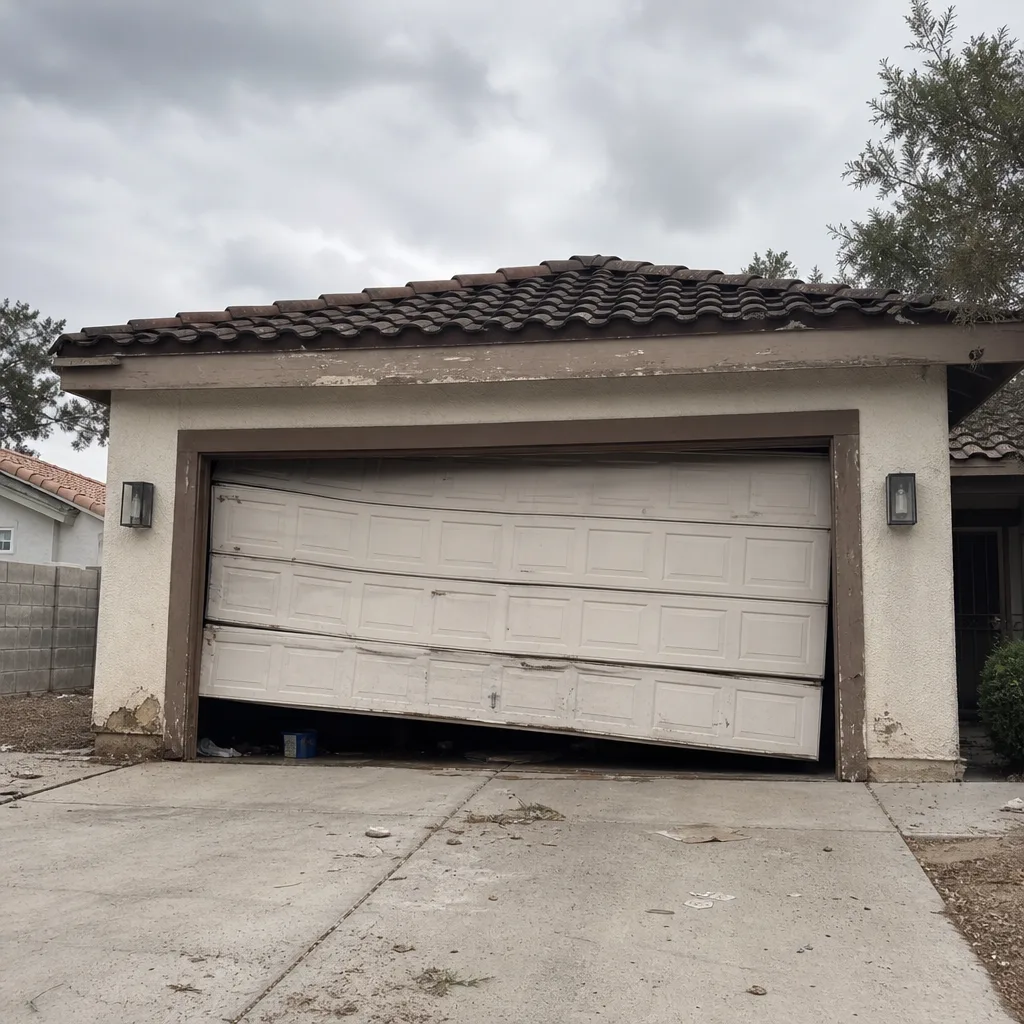 Before
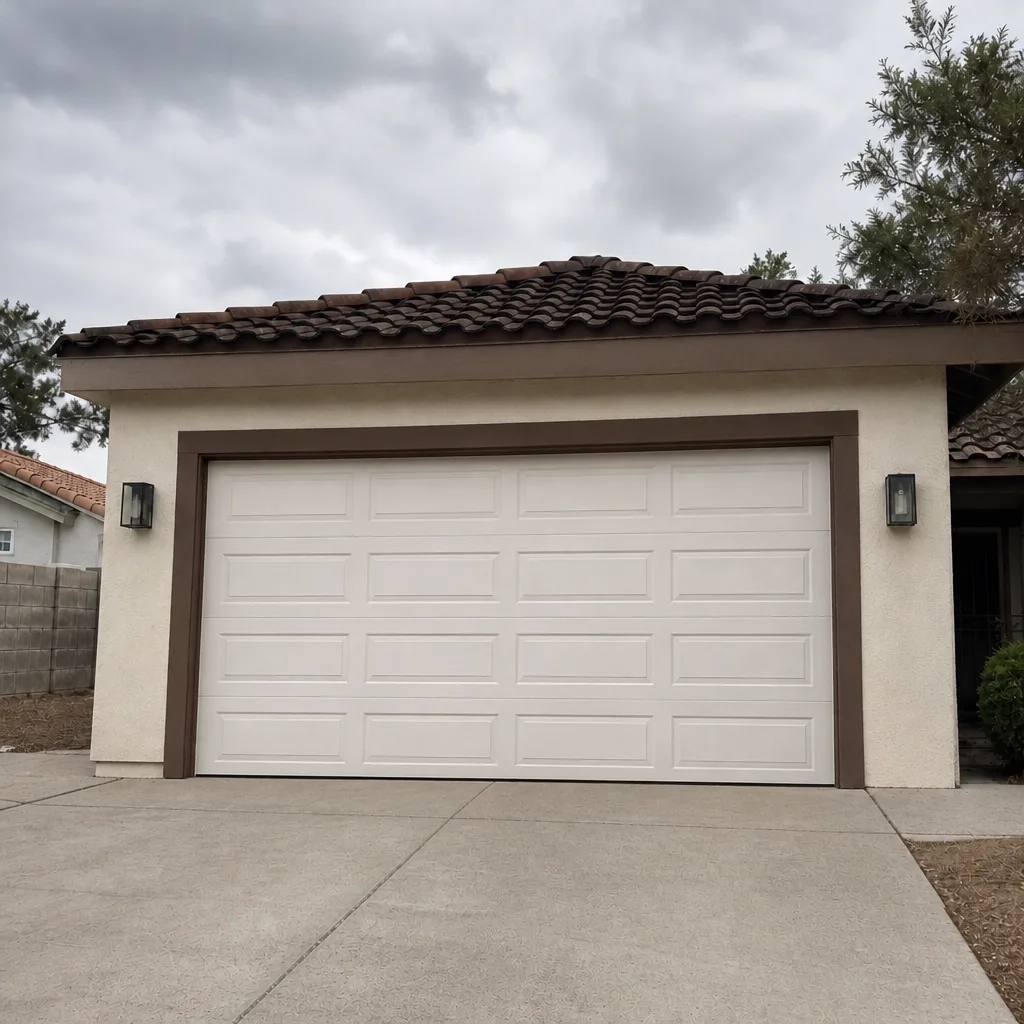 After
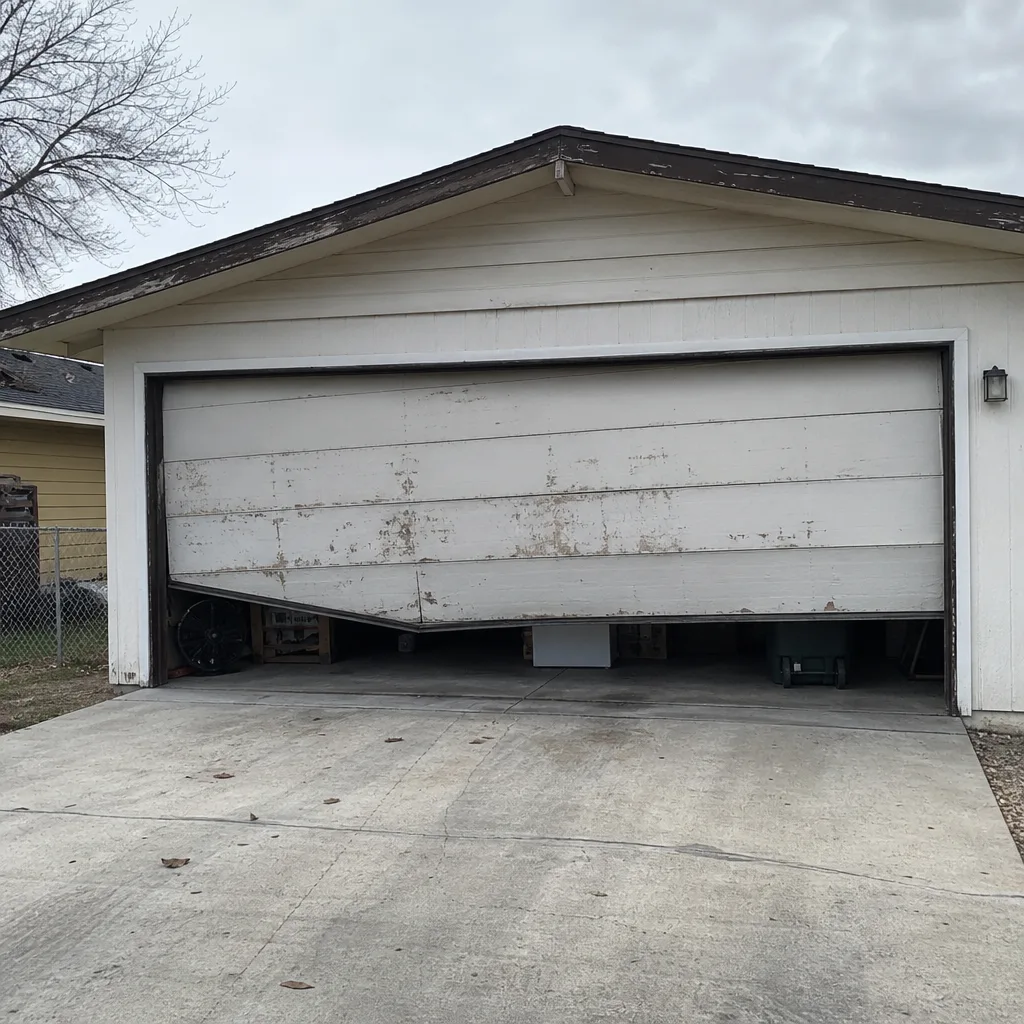 Before
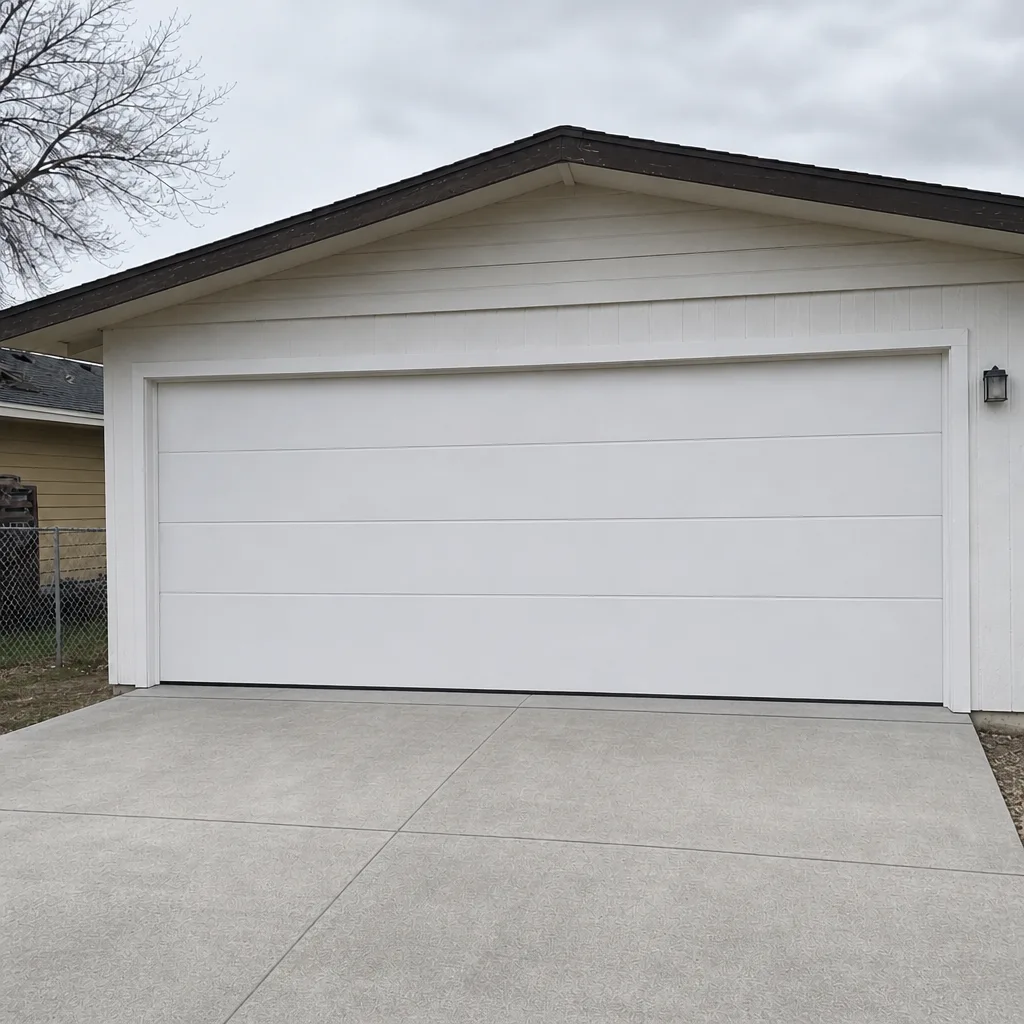 After
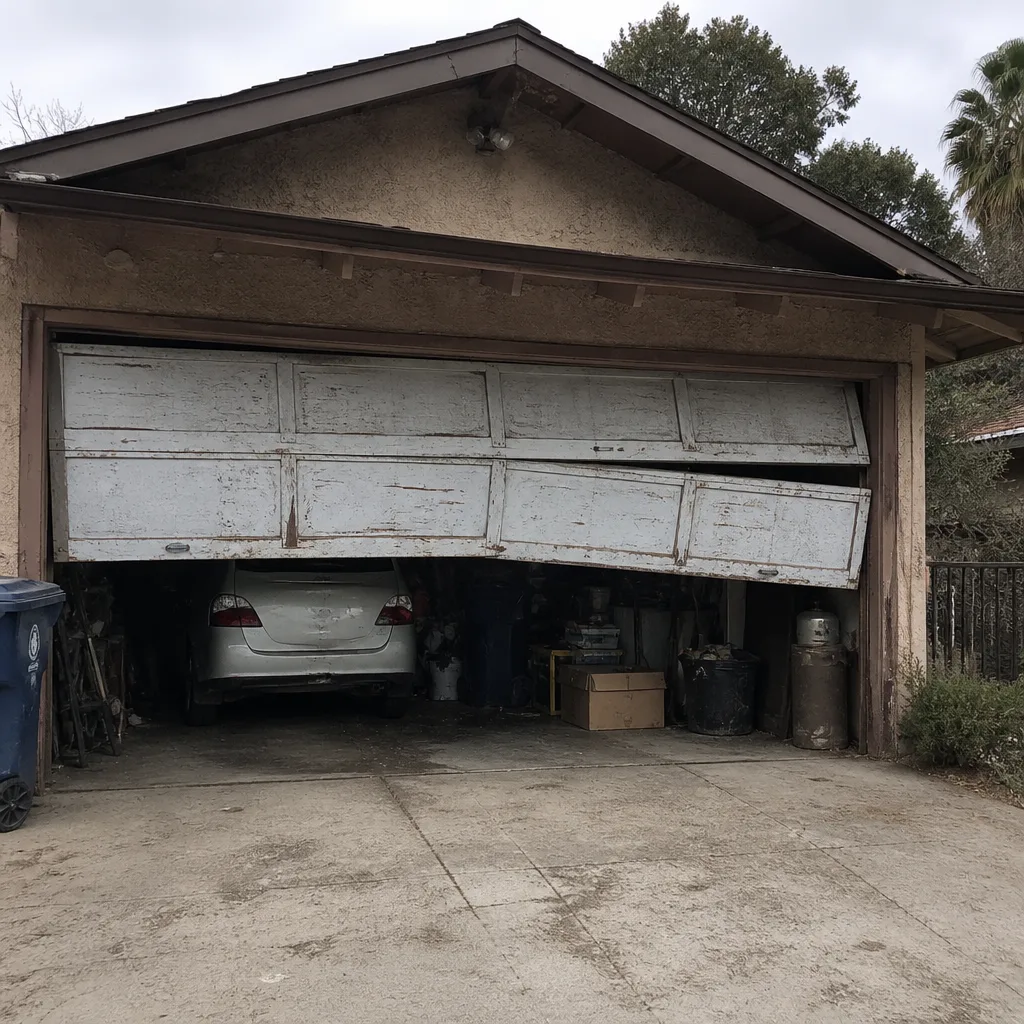 Before
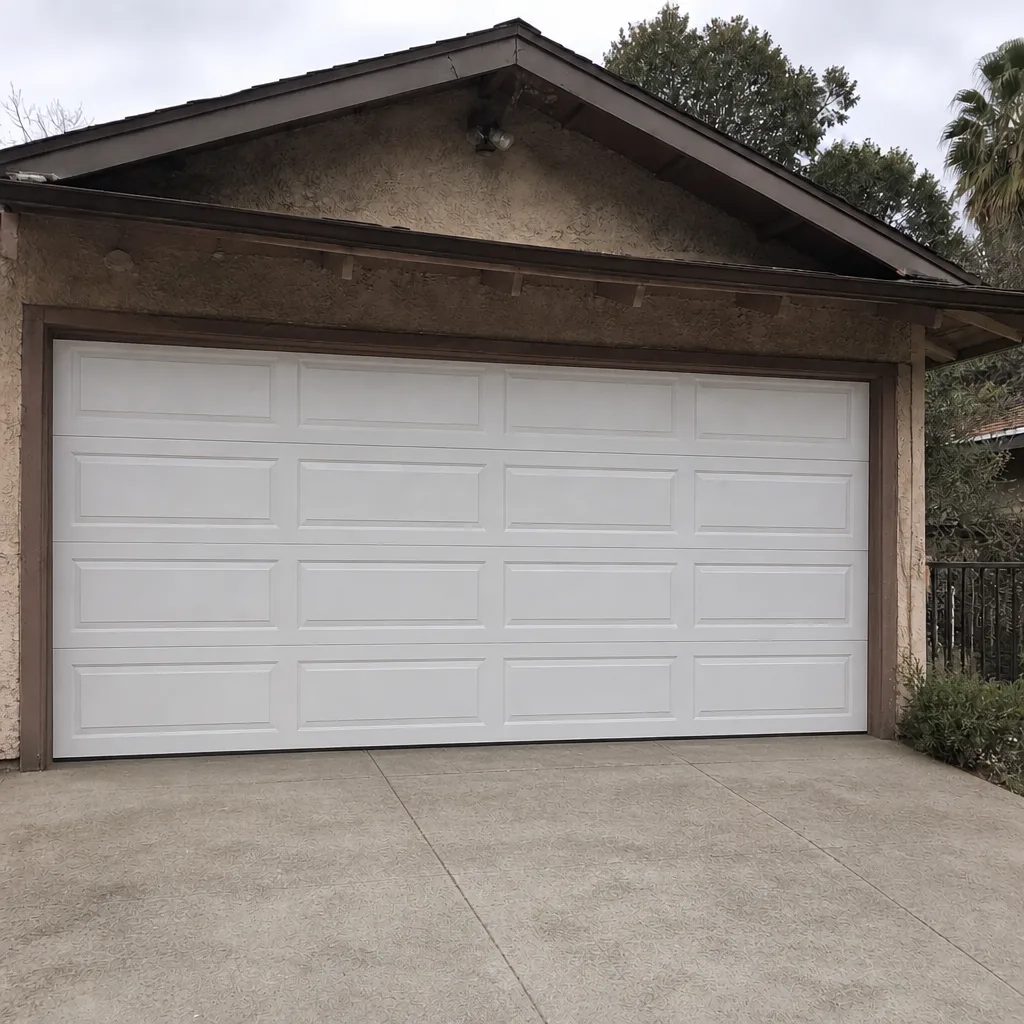 After