
Last updated November 18, 2026
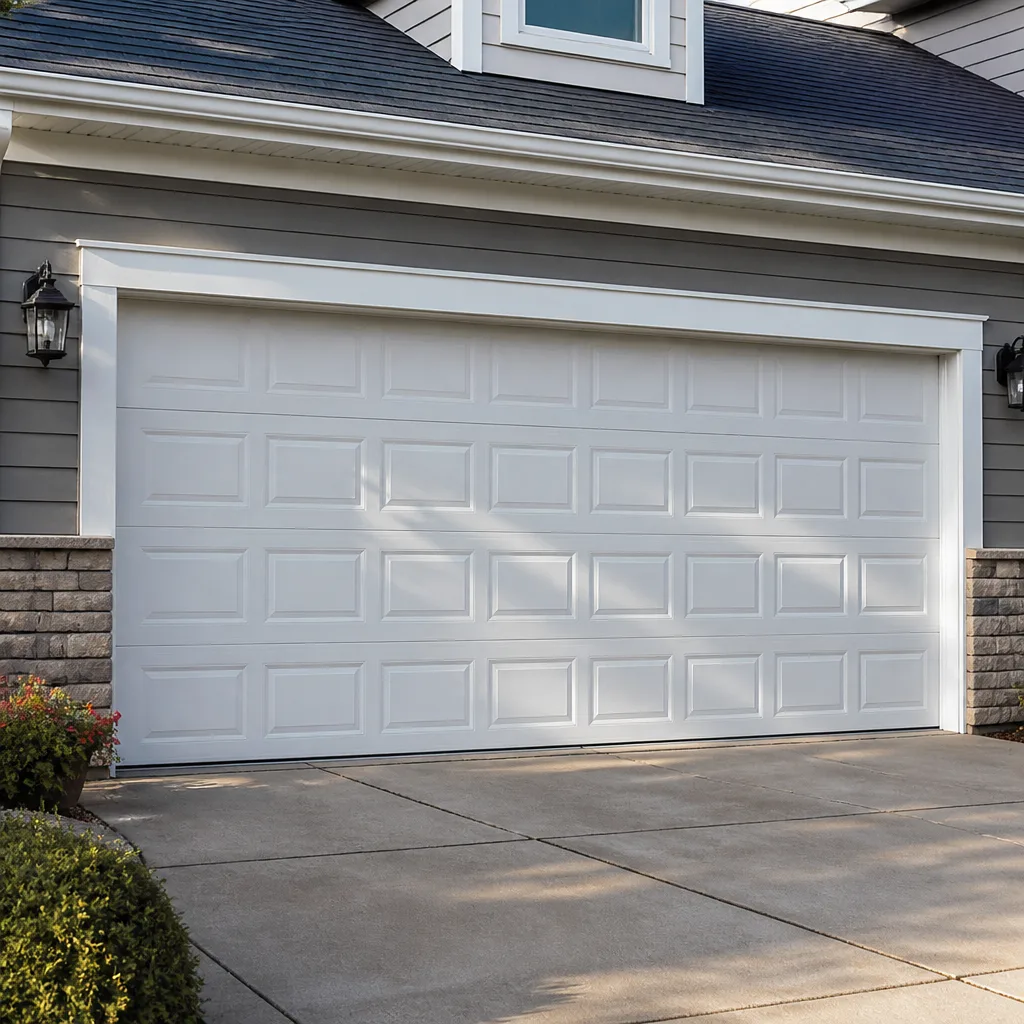 Raised-panel steel
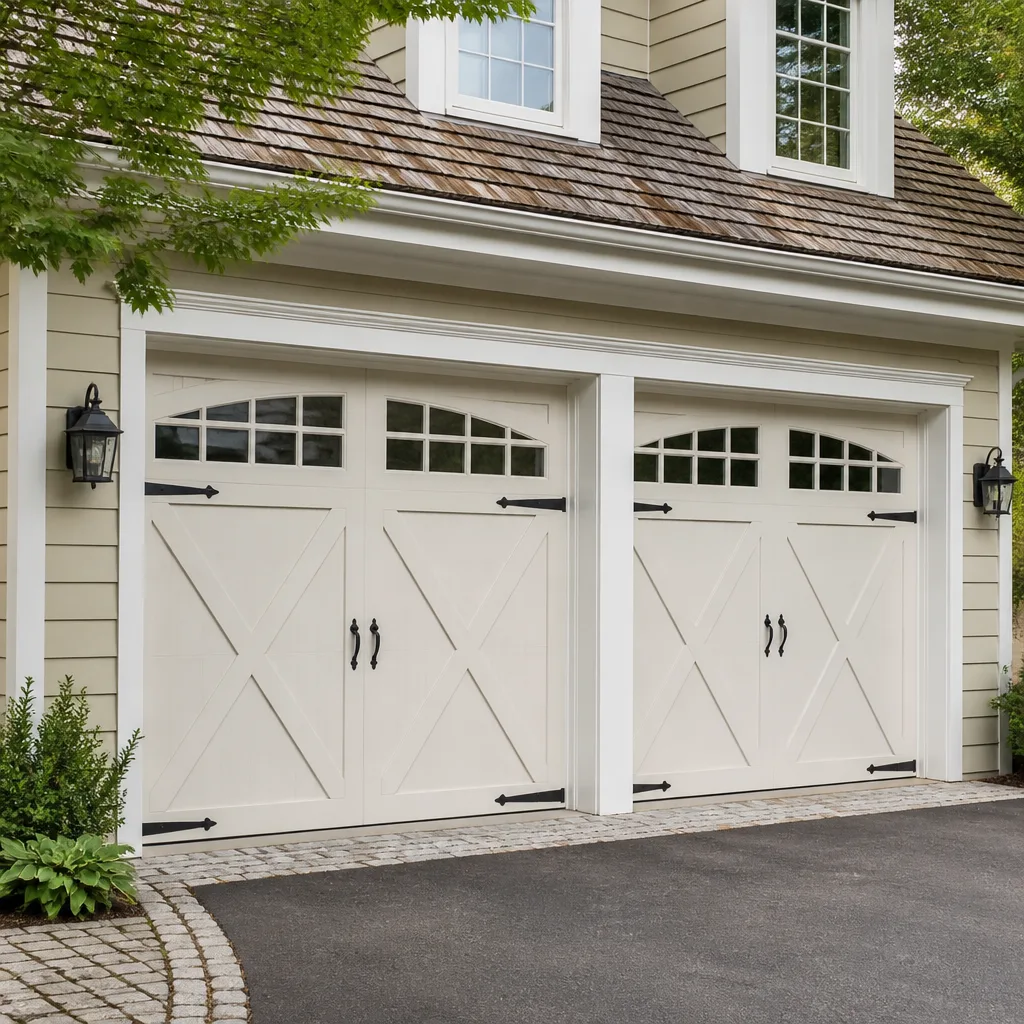 Carriage house
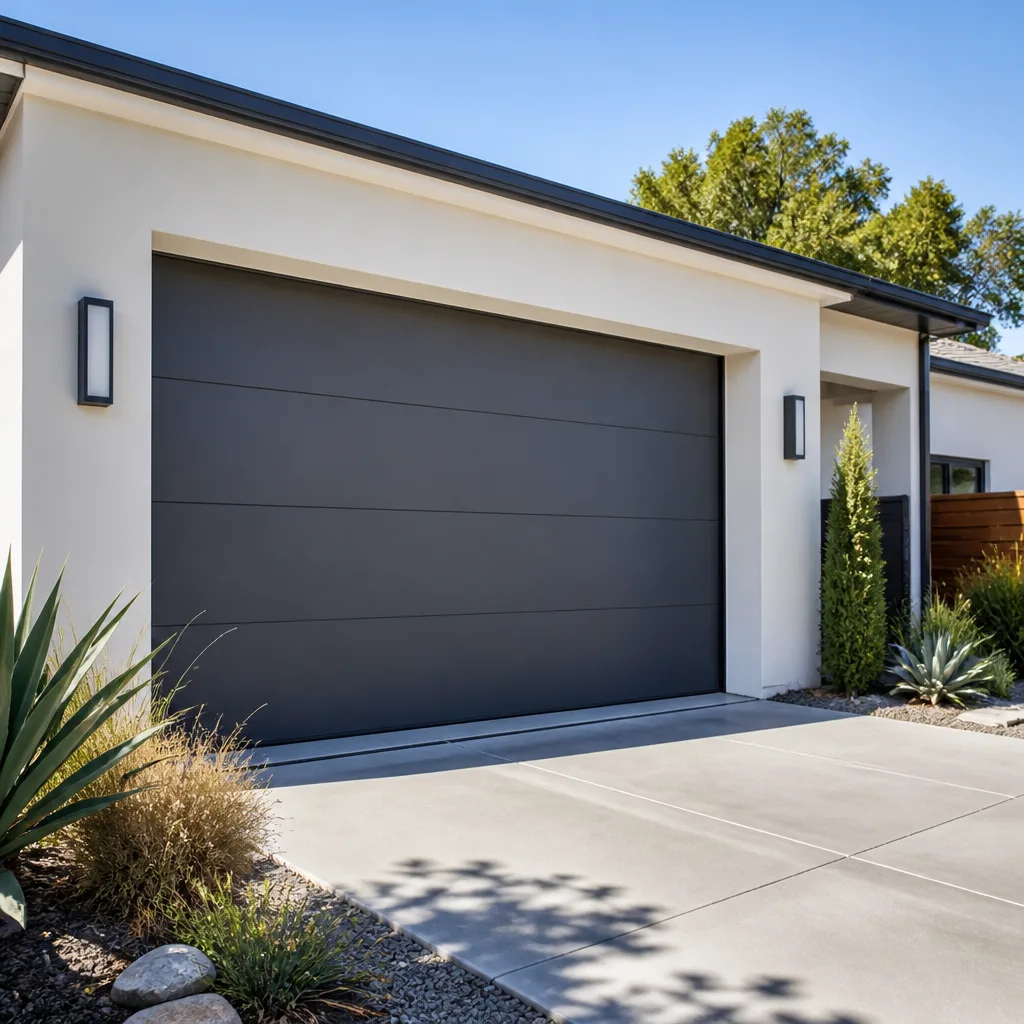 Modern flush
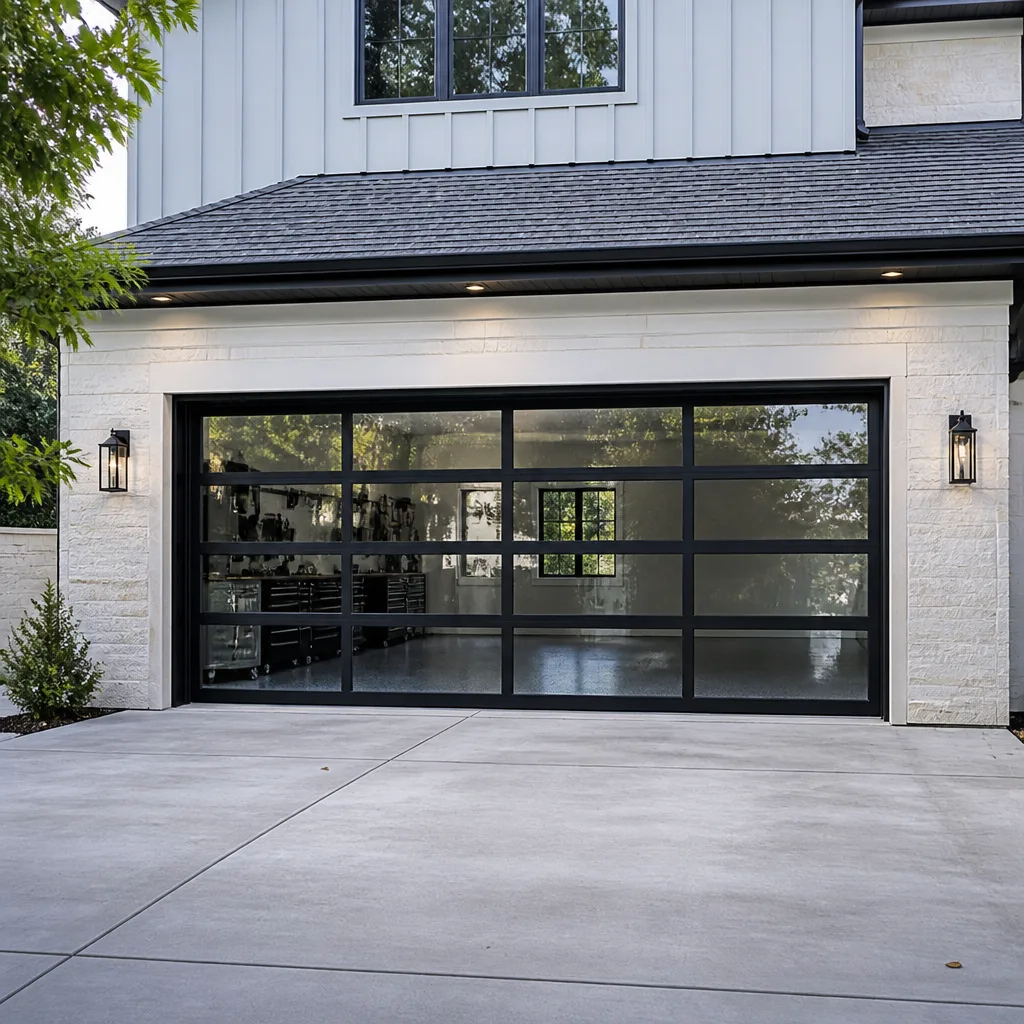 Full-view glass
 LiftMaster openers
 Chamberlain openers
Full 25-point door and opener safety check with every visit - springs, cables, rollers, tracks, and your LiftMaster or Chamberlain opener included
You get a price before we start. It does not change when the pro arrives.
Get your free estimateDIY vs Professional Garage Door: The Paradise Homeowner’s Decision Guide
Most homeowners frame the DIY question as a test of nerve. Can I do this myself, or do I have to pay someone? That’s the wrong frame. Garage door springs injure homeowners every year, and not because those homeowners were clumsy or overconfident. It’s because a torsion spring holds stored energy that behaves unpredictably the moment tension is released without the right winding bars and the right knowledge of the sequence. The real question isn’t whether you’re handy enough. It’s whether the specific task in front of you carries an acceptable level of risk, or whether it carries injury and warranty consequences that make professional service the only choice regardless of ability. This guide gives Paradise homeowners a task-by-task breakdown of both.
Quick Answer
Some garage door work is genuinely safe for a capable DIYer: replacing weatherstripping, straightening a minor panel dent, or reprogramming a remote. Everything involving springs, cables, and track realignment should go to a trained technician, because those parts store energy that can cause serious injury and because DIY tampering can void the manufacturer warranty on major brands. For a broken spring, a snapped cable, or a door that’s come off its track, call garage door repair rather than attempting it yourself.
Styles & brands we work with
- Raised-panel steel
- Carriage house
- Modern flush
- Full-view glass
- LiftMaster openers
- Chamberlain openers
Table of Contents
- The Hard Line: What’s Safe to DIY and What Never Is
- How DIY Repair Voids Manufacturer Warranties
- DIY vs Professional: The Honest Cost Comparison
- Nevada Liability: What Happens After a DIY-Modified Door Fails
- Your Yes/No Decision Flowchart for 12 Common Problem
- Opener Repair: Where DIY Gets Tricky
- Desert Heat, Dust, and the Paradise Garage Door
- When to Call a Professional
The Hard Line: What’s Safe to DIY and What Never Is
Here’s the short version: anything that stores mechanical energy is off-limits, and anything cosmetic is fair game. That single rule covers most of what Paradise homeowners ask us about. In our experience, the confusion comes from the fact that a door that looks simple from the outside is actually a balanced mechanical system under constant tension. The panels are light. The springs are not.
Safe for a capable DIYer:
- Replacing bottom weatherstripping and the threshold seal, which wear out faster in desert heat and sun exposure
- Straightening a minor dent in a steel panel with a rubber mallet or a suction cup puller
- Programing a new remote or keypad to an existing opener, which is a button-press sequence in the manual
- Cleaning and lubricating rollers, hinges, and the track with a proper garage door lubricant, not WD-40
- Tightening visible hinge bolts that have worked loose over time
- Replacing the opener’s light bulbs or backup battery where the model allows user access
Never DIY, regardless of how experienced you are:
- Torsion spring replacement or adjustment. This is the number one cause of serious garage door injuries. The spring must be wound to a precise tension count, and releasing it incorrectly can send it or the winding bar through whatever is in its path. A professional uses two proper winding bars, correct technique, and knows the exact number of turns for the door weight.
- Extension spring replacement. Extension springs are under less tension than torsion springs but still snap with force, and they need the correct safety cables installed alongside them.
- Cable replacement. The lift cables are under the same tension as the springs, and a misrouted cable can let the door fall. Cable work is a spring-adjacent task.
- Track realignment. A bent or misaligned track needs to be brought back to true with precision, and forcing it can warp the panel edges or cause the door to bind. It’s also a job where the door can come down unexpectedly if the track is holding it at a bad angle.
The line isn’t about skill. It’s about what happens if the task goes wrong. A misprogrammed remote doesn’t hurt anyone. A released spring can. If you’re unsure which category a task falls into, that uncertainty is the answer: call a professional.
How DIY Repair Voids Manufacturer Warranties
Here’s a fact most Paradise homeowners find out too late: if you replace your own torsion spring or attempt a cable repair, you may void the warranty on the door and the opener. That’s true of Raynor, Clopay, Amarr, and the other major brands installed across Paradise. The warranty language is buried in the paperwork, but it’s there.
The pattern across manufacturer warranties is consistent. Most door warranties cover:
- Defects in materials and workmanship under normal use
- Panel finish or structural integrity under proper installation
- Hardware function when installed and serviced by a qualified technician
What voids coverage typically includes:
- Improper installation or repair by anyone other than a qualified technician
- Alteration or modification of factory components
- Damage from use outside the door’s rated specifications, which can happen when a spring is replaced with the wrong size or tension
- Failure to maintain the door per the manufacturer’s schedule
Read your own paperwork before you pick up a tool. Look for the words “qualified,” “authorized,” and “altered.” If any of those appear, a DIY spring or cable repair is a bet against your own warranty. Our technicians have up to 11 years of experience, and part of that experience is knowing how to do a repair without tripping any of those warranty clauses. That matters more when the door is newer. On a door that’s already well past its warranty window, the calculus shifts, but the injury risk from spring and cable work doesn’t. The physical danger stays the same whether or not paperwork is at stake.
DIY vs Professional: The Honest Cost Comparison
The DIY case is strongest on the cheap, low-risk tasks. The professional case gets stronger as the task moves toward anything involving springs, cables, or long-term reliability. Here’s an honest side-by-side for the most common Paradise repair scenarios, with the one rule that governs everything: a spring quote is for one spring, and most jobs replace a matched pair together, so a pair runs roughly double a single-spring estimate.
- Weatherstripping replacement. The DIY cost is the strip itself. Professional installation is a modest flat-rate job. For most homeowners the DIY savings here are real and worth taking.
- Minor panel dent repair. A rubber mallet or suction puller is cheap. A professional repair is a budget-friendly visit. If the dent has cracked the panel finish on a steel or composite door, professional touch-up prevents rust that spreads in the dry season.
- Remote or keypad programming. Essentially free to do yourself. A professional visit only makes sense as part of a larger service call.
- Torsion spring replacement (single). A professional flat-rate repair typically runs well below what a serious injury would cost you in medical bills and lost time. The DIY parts cost looks appealing until you price out the winding bars and consider the failure mode.
- Matched pair spring replacement. Priced roughly double a single spring. This is the most common job we handle, and it’s a job no homeowner should attempt without training.
- Cable and track repair. The repair itself is affordable through a professional. The risk of DIY failure, including a dropped door and a bent panel, quickly outpaces any savings.
- Opener repair. A flat-rate professional repair handles gears, logic boards, travel limits, and drive types. DIY gets expensive when a part is misdiagnosed and a wrong component is swapped in.
Add time to the DIY side of the equation. A torsion spring replacement for a first-timer is not a one-hour job even when it goes well, and the winding bars, safety glasses, and correct replacement spring have to be sourced first. Paradise homeowners know that a garage door repair in July heat is a different experience than the same repair in January. Professional flat-rate pricing removes that uncertainty, because the price is quoted and agreed before any work starts. There’s no surprise invoice at the end. If you want an exact figure for your door, call (855) 914-8765 and we’ll give you a free estimate. We answer 24/7. Fast dispatch from 7am to 7pm, Sunday through Friday.
Nevada Liability: What Happens After a DIY-Modified Door Fails
This is the part most DIY guides skip. If a DIY-modified garage door causes property damage or injures someone in Paradise, your homeowners insurance may not treat it kindly. The reason is straightforward: most policies expect the property to be maintained in a reasonable, code-compliant condition, and a door repaired outside manufacturer specifications can be argued as a known hazard you introduced.
What that can look like in practice:
- A door that drops and hits a parked car in the driveway. The damage claim may be denied or reduced if the insurer determines the spring was improperly replaced.
- A door that comes off its track and strikes a person. Personal injury liability gets serious fast, and the investigation will go straight to who did the repair and whether it was up to standard.
- A door spring failure that dents a panel or warps a track, then cascades into damage to the opener as the door seized. That sequence is common and expensive to unwind.
- Any future sale of the home. A home inspector will note a DIY-modified door, and a buyer’s lender may require it to be corrected before closing.
We’re not your insurer and we can’t tell you what your specific policy covers. What we can tell you is that a professional repair gives you a record: a written estimate, a properly matched replacement part, and an installed system that meets its intended specification. That record matters a great deal when something goes wrong later. For a repair of this kind in Paradise, a documented professional fix is the cleaner path. If you’re unsure whether your current door passes muster, a professional inspection can tell you. Call (855) 914-8765 for a free estimate. A call outside dispatch hours is booked into the next opening, Sunday through Friday, 7am to 7pm.
Your Yes/No Decision Flowchart for 12 Common Problems
Use this as a quick task-by-task verdict for the 12 garage door problems Paradise homeowners call us about most. Each one is a yes/no answer, then a short reason. The pattern behind the flow is simple: cosmetic and user-interface tasks are DIY-friendly, and every mechanical task under tension is not.
- Door won’t open when the remote is pressed. DIY yes, to a point. Check the opener power, then check the safety sensors are clean and aligned. If the motor runs but the door doesn’t lift, call a professional.
- Door goes up a few inches then stops and reverses. DIY no. This is usually a travel limit, force setting, or sensor issue on the opener. It’s a diagnostic job with several possible causes, and it’s best done by a technician familiar with your opener brand, whether that’s Chamberlain, LiftMaster, Craftsman, or another model.
- One spring is broken. DIY no. This is a matched-pair spring replacement job. Call a professional.
- Lift cable is frayed or snapped. DIY no. Call a professional. A door supported by a failed cable can drop without warning.
- Door is crooked or off its track. DIY no. This is a track realignment job with real injury risk.
- Bottom weatherstrip is torn or missing. DIY yes. This is one of the easiest and most useful DIY tasks, especially in Paradise where heat and sun wear the seal faster than you’d expect.
- Panel has a dent but isn’t cracked. DIY yes, if the dent is shallow and the finish is intact. A suction puller or rubber mallet can smooth it out.
- Door grinds or squeals as it moves. DIY yes. Lubricate the rollers, hinges, and track with garage door lubricant. If the noise continues, call a professional.
- Opener remote won’t program. DIY yes. Check the manual for your specific model. Most Chamberlain and LiftMaster remotes program in under a minute.
- Opener light flashes but the door won’t move. DIY partially. Check the sensors first. If they’re clean and aligned and the door still won’t move, it’s an opener repair call.
- Door reverses for no visible reason. DIY no, unless the cause is obvious sensor misalignment. Otherwise this is a force-setting or logic-board diagnosis.
- Entire door is bent, warped, or the panel has separated. DIY no. This is an installation and repair evaluation, and sometimes replacement makes more sense than repair. That’s a fair call to have a professional make.
Keep a copy of this list near the garage. When a problem comes up, match it to the flow before you pick up a tool. If the answer is “no,” close the door if you can and call.
Opener Repair: Where DIY Gets Tricky
The opener is where many confident DIYers overestimate themselves. Door panels and springs are visible mechanical parts. The opener is an electrical and electronic system packed into the ceiling, and a wrong diagnosis can turn a cheap repair into a replacement. In our experience, the difference between a working opener and a fried logic board is often a homeowner who swapped the wrong component after a misdiagnosis.
What’s safely DIY on the opener side:
- Programing a remote or keypad to the opener
- Replacing the backup battery
- Tightening a chain or belt to the tension specified in the manual
- Cleaning the safety sensors and adjusting the brackets by hand
- Resetting a tripped circuit breaker or GFCI that feeds the opener outlet
What should go to a professional:
- Replacing a burned-out motor, gear, or drive belt or chain
- Configuring force and travel limits when the door’s weight or balance has changed
- Repairing or replacing the logic board or capacitor
- Integrating smart-home modules or replacing a Wi-Fi opener where the wiring is unfamiliar
- Any repair where the door moves but the opener’s behavior is inconsistent or unpredictable
There’s also a brand dimension. The same symptom on a LiftMaster opener is a different repair than it is on a Genie or a Craftsman model. The diagnostic path, the parts, and the fix aren’t interchangeable. That’s why we handle garage door opener repair across all the major brands rather than sending homeowners to a different shop for a different opener. When the technician who shows up already knows the make on your ceiling, the diagnosis is faster and the repair is usually right the first time. Free estimate, price agreed before work starts. Call (855) 914-8765 to book one.
Desert Heat, Dust, and the Paradise Garage Door
A garage door in Paradise lives a harder life than the same door in a milder climate, and that changes the DIY-versus-professional math in a few specific ways. Heat expansion, dust intrusion, and the intense summer sun all wear on different components than they would in a wetter place. Knowing the local failure pattern helps you decide what to check and when to leave it alone.
What Paradise conditions do to a garage door:
- Hot garages wear out weatherstripping and bottom seals faster. The rubber dries, cracks, and pulls away from the threshold. Replacing the seal is one of the best DIY tasks a Paradise homeowner can take on.
- Dust and fine grit work into the rollers and tracks. A dry track grinds, and a grimy roller gets noisy. Regular lubrication is a five-minute DIY job that adds years of quiet operation.
- The heat cycles of summer put stress on panels and gaskets. The steel and composite panels expand and contract daily, which can loosen hinge screws and rattle the door. Tightening those screws is a simple DIY fix.
- Sun exposure fades and cracks a south- or west-facing panel’s finish. A minor touch-up after a shallow dent prevents surface rust before the dry season sets in.
- Garage temperatures can spike during the day. Rubber rollers, greased hinges, and any plastic bushings degrade faster in a hot garage than in a mild one. Expect to replace wear parts a bit sooner than a manufacturer’s generic schedule suggests.
None of this suggests you should DIY a spring repair. It does suggest that the routine maintenance tasks are worth doing yourself, and that the wear items on a Paradise door deserve more attention than the average schedule implies. When a maintenance check uncovers something that’s beyond a simple tightening or lube, that’s the moment to call. A free estimate gives you the price before you decide.
See the difference
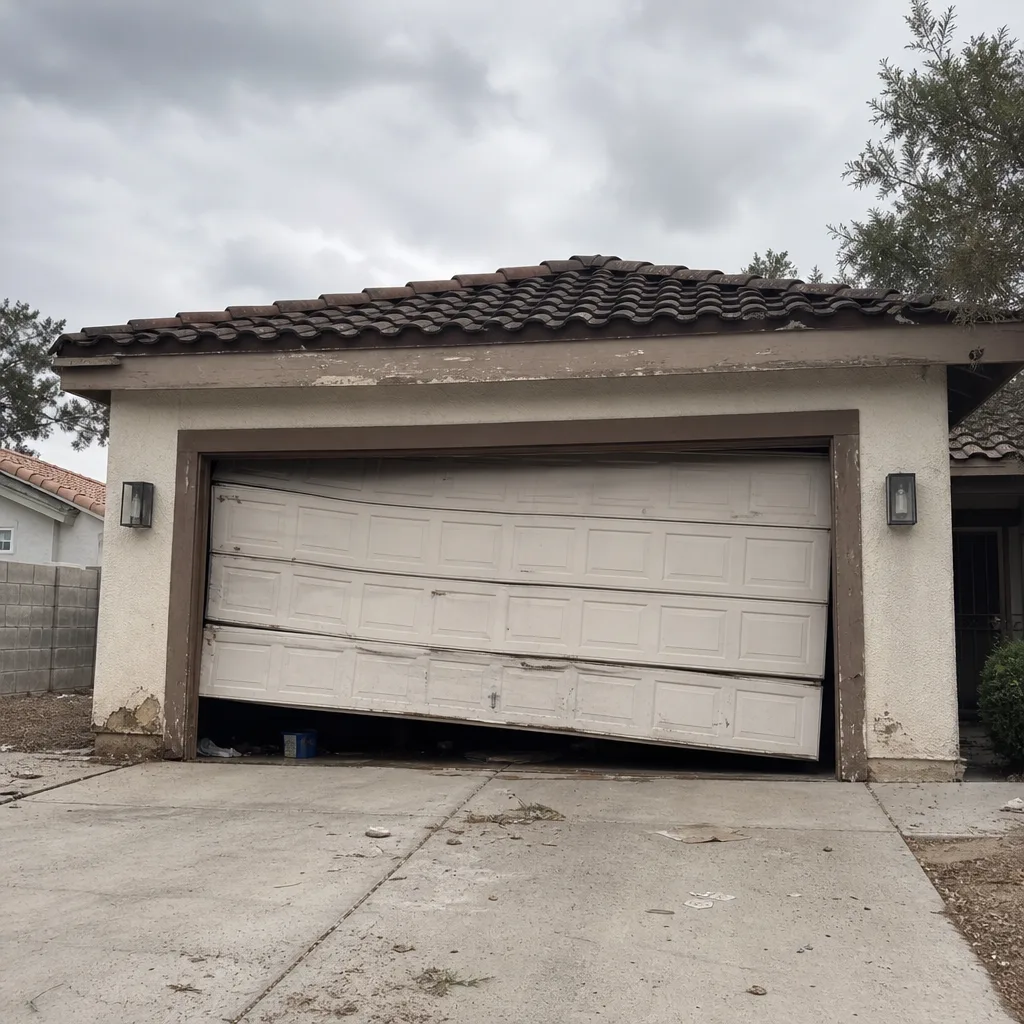 Before
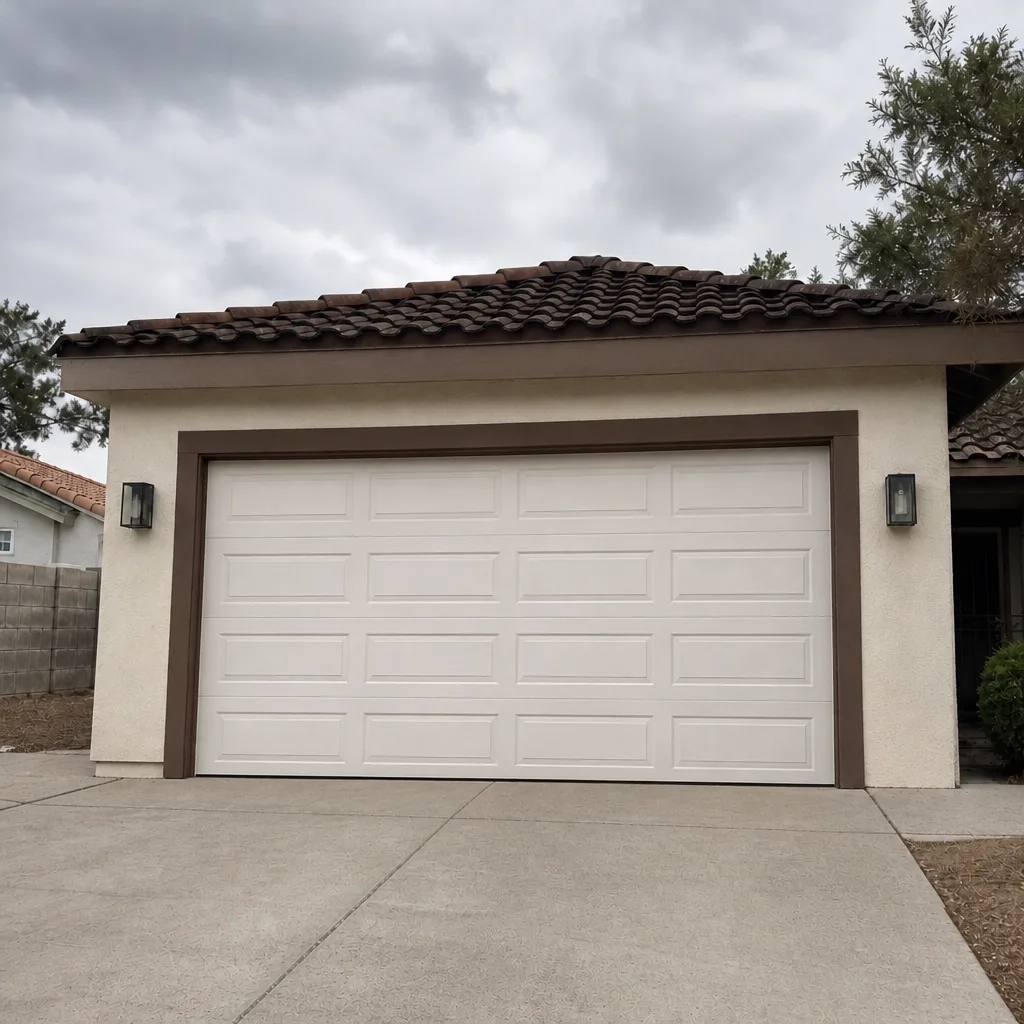 After
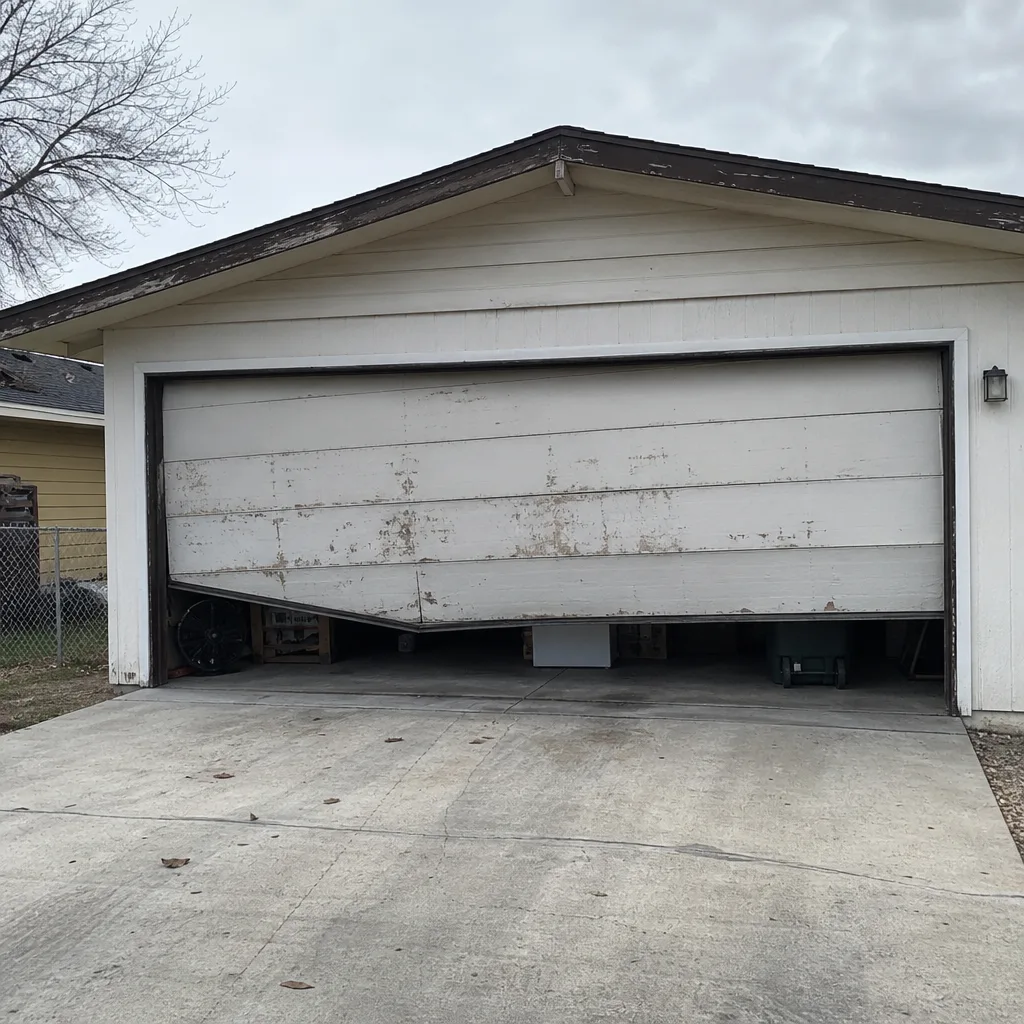 Before
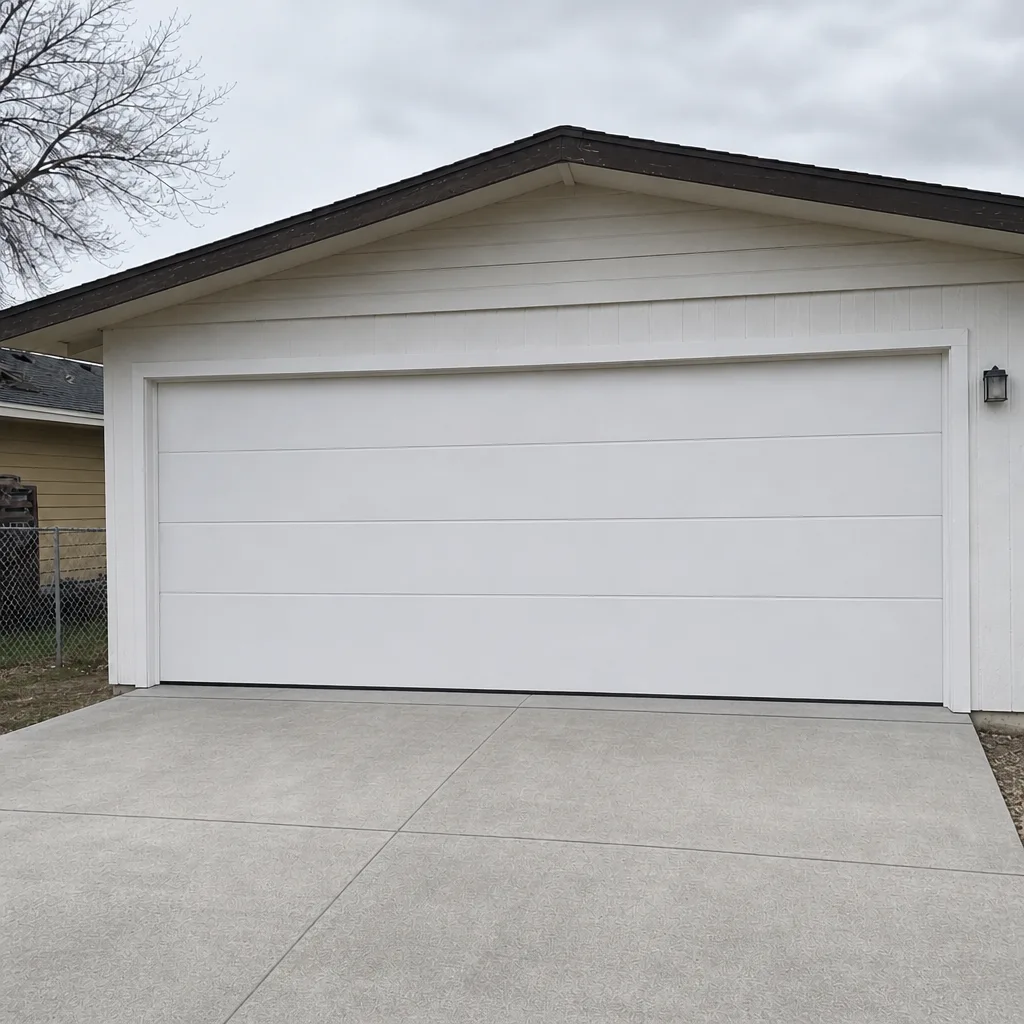 After
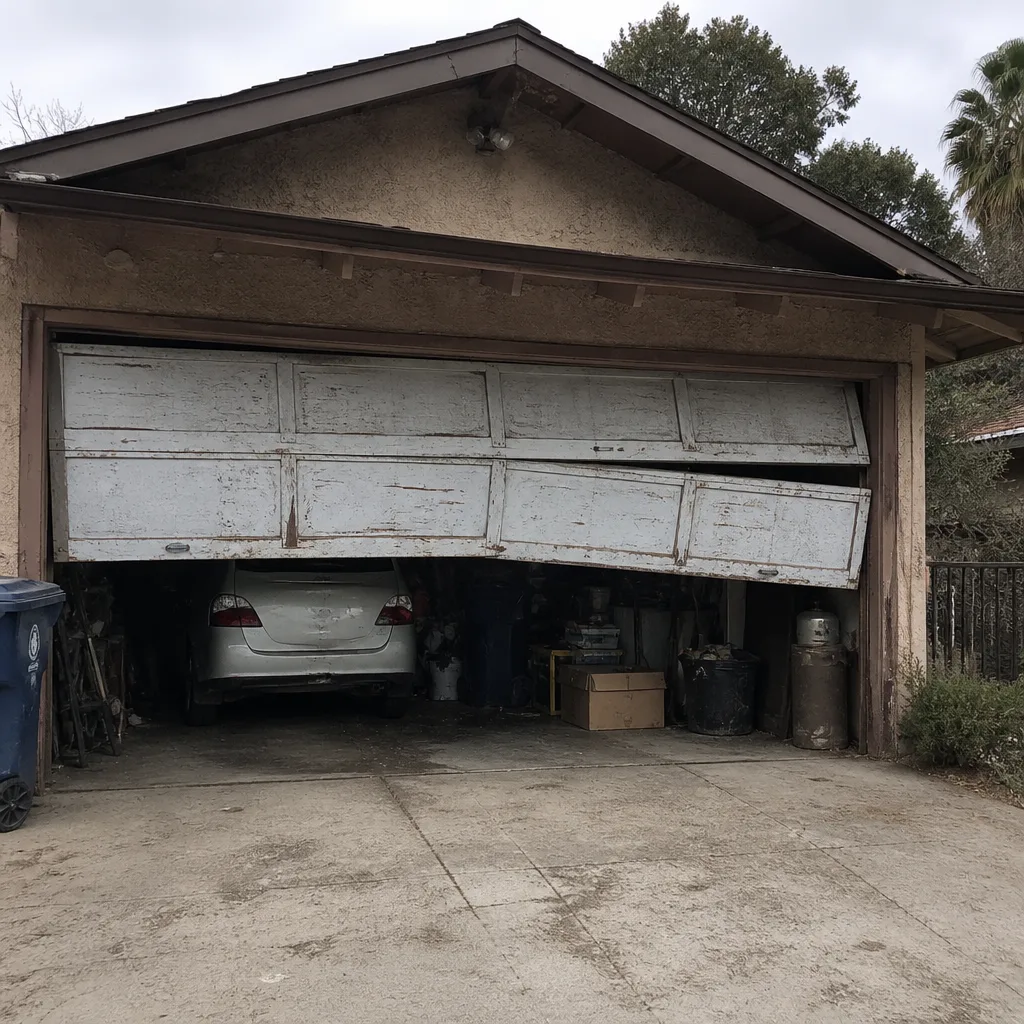 Before
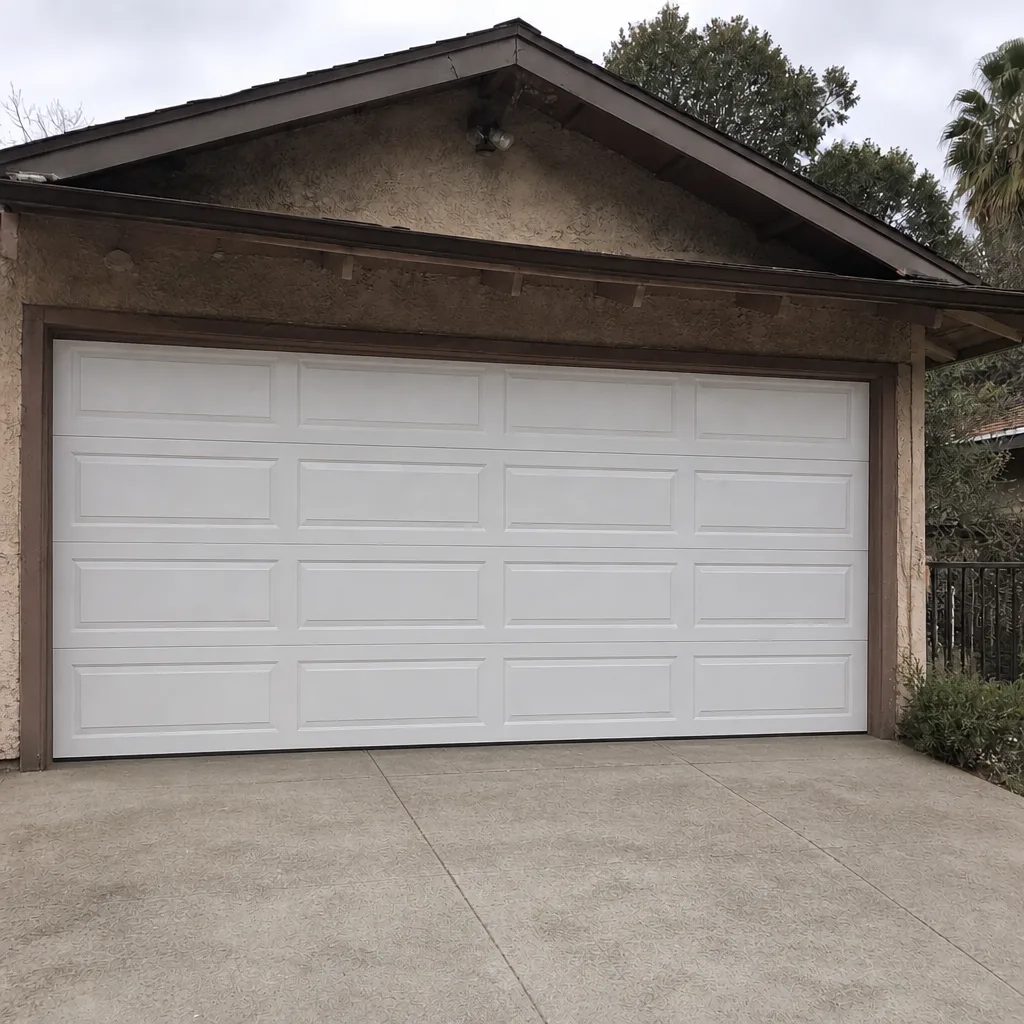 After
Common Mistakes to Avoid
- Using WD-40 on the tracks. It’s a solvent, not a lubricant, and it strips the proper grease off hinges and rollers. Use a proper garage-door lubricant. In a dusty Paradise garage, the wrong product attracts grit and makes the grinding worse.
- Attempting a torsion spring replacement without proper winding bars. A screwdriver or a piece of rebar is not a winding bar. The spring can catch and release with force that will break bones. This is the mistake that causes the worst injuries.
- Replacing one spring when both have the same wear. Springs are paired for a reason. If one has failed, its partner has seen the same cycles and is close behind. Replacing one leaves a second failure scheduled for a few months out.
- Ignoring the manufacturer warranty before DIY work. Read the paperwork first. A DIY spring or cable repair can void the warranty on a Raynor, Clopay, or Amarr door without the homeowner realizing it.
- Disconnecting the safety sensors permanently to stop the door reversing. The sensors are there to prevent the door from closing on a person or pet. Bypassing them is a genuine safety hazard and, in many cases, an insurance-liability problem.
- Forcing a crooked door back onto its track. A bent track doesn’t straighten by force. Pushing a door that’s off its track can drop it, warp a panel, or damage the opener’s drive. That’s a professional call.
- Adjusting the opener’s force limiter to make a stiff door move. Turning up the force hides a mechanical problem and makes the door more dangerous. Fix the door’s balance, not the opener’s sensitivity.
When to Call a Professional
Call a professional for anything involving springs, cables, or track realignment, and for any opener repair that isn’t a remote programing or a sensor-cleaning task. A broken spring, a snapped cable, and a door off its track all carry injury risk, and none of them belong on a homeowner’s tool list regardless of skill. The same goes for a door that reverses unpredictably, an opener that runs but doesn’t move the door, or a panel that has cracked or separated. Beyond the risk, DIY repair on these parts can void a manufacturer warranty and complicate a future insurance claim. And some jobs are cheaper to have done right than to attempt and redo. Garage Door Paradise offers free estimates in Paradise. Call (855) 914-8765. We answer 24/7. Fast dispatch from 7am to 7pm, Sunday through Friday, closed Saturday.
Frequently Asked Questions
No, you should not. A torsion spring holds stored energy, and releasing it incorrectly can cause serious injury. Without proper winding bars and the exact turn count for your door’s weight, the risk is real, and a DIY repair can void the warranty on your door. Call (855) 914-8765 for a free estimate and let a trained technician handle it.
Very possibly, yes. Most manufacturer warranties on doors like Raynor, Clopay, and Amarr require that installation and repair be done by a qualified technician. Read your own warranty language for the words “qualified,” “authorized,” and “altered.” If they appear, a DIY spring or cable repair is a real risk to your coverage.
Weatherstripping replacement, minor panel dent repair, remote and keypad programing, lubricating the rollers and hinges, and tightening loose hinge bolts are all reasonable DIY tasks. Anything involving springs, cables, or track realignment is not. If you’re unsure which side of the line a task is on, call and ask before you pick up a tool.
The written estimate sets the price, and it’s quoted and agreed before any work starts, so you’re never surprised by the invoice. A spring repair is quoted per spring, and since springs are usually replaced as a matched pair, a pair runs about twice a single-spring estimate. Call (855) 914-8765 for an exact quote on your door. Estimates are free.
Same-day service is often available for repair calls, and a door stuck open is a security concern we treat as a priority. Call (855) 914-8765 and we’ll get you on the schedule. We answer 24/7. Fast dispatch from 7am to 7pm, Sunday through Friday, closed Saturday. A call outside dispatch hours is booked into the next opening.
It can. If a door repaired outside manufacturer specifications causes property damage or injury, your insurer may deny or reduce the claim. We can’t speak for your specific policy, but a documented professional repair gives you a written record, a matched replacement part, and a door that meets its intended specification. That record matters if something goes wrong later.
The Bottom Line
The DIY versus professional question on a garage door isn’t about whether you’re capable. It’s about which tasks have acceptable risk and which ones don’t. Weatherstripping, remote programing, lubrication, and shallow dent repair are safe for a careful homeowner, and worth doing yourself. Springs, cables, and track realignment are not, at any skill level, because the failure mode is injury and the downstream cost is warranty and insurance trouble. In Paradise, the desert heat also wears seals and rollers faster than the average schedule implies, so a little routine maintenance goes a long way. When a problem lands on the wrong side of the line, you don’t need to be handy. You need a call.
For garage door repair, opener repair, or a full installation across Craftsman, LiftMaster, Chamberlain, Raynor, Genie, Clopay, Amarr, and Wayne Dalton systems, the team at Paradise is one call away. Whether it’s a repair, a replacement, or a question you want answered before you touch a tool, Garage Door Paradise handles it. Call (855) 914-8765 for a free estimate. We answer 24/7. Fast dispatch from 7am to 7pm, Sunday through Friday, closed Saturday. Our technicians have up to 11 years of experience, the price is quoted and agreed before any work starts, and the written estimate is the price.
Written by the team at Garage Door Paradise.